
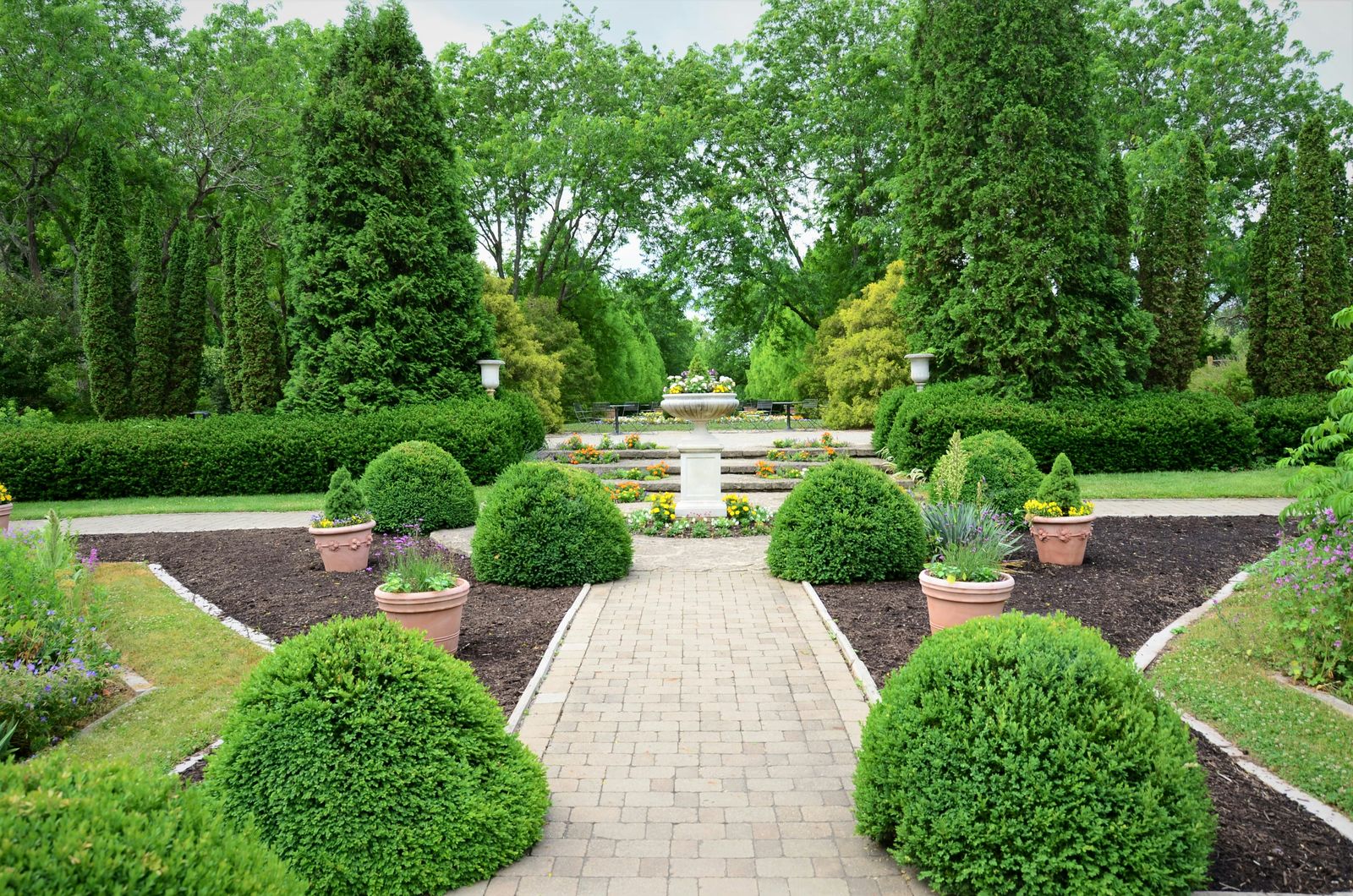
Few looks feel as effortlessly elegant as a French country garden. The charm comes from a handful of repeatable choices: weathered planters, gravel underfoot, clipped boxwood for structure, and fragrant plants like lavender and roses spilling over the edges. The result reads as though it has been there for decades. Here is how to recognize French country landscaping and recreate the look in your own yard, with planters, plants, and small-space ideas that hold up in Pittsburgh's Zone 6b climate.
French country landscaping is built on a few timeless principles. Once you understand them, the rest is just choosing pieces that fit. The hallmarks of the style are:
If you want help translating these principles into a full plan, our landscape design team builds gardens around exactly this kind of structure and material palette.
Containers are the fastest way into the style, and container selection is really the foundation of the whole look. Choose the right planters and you have established the garden's character before you add a single plant.
Two forms do most of the work:
Terracotta is the ultimate choice. Its warm, earthy tones give you that aged look right away, and it is breathable, which promotes healthy plant growth. Cast stone and weathered wood are also excellent options.
One Pittsburgh note: unglazed terracotta is porous, so trapped water can freeze and crack the pot over our freeze-thaw winters. If you love true terracotta, choose frost-resistant pieces or move them into a garage before the first hard freeze. If you would rather leave containers out year-round, the lightweight alternatives below hold up far better in Zone 6b.
Look for naturally weathered surfaces, matte textures, or softly faded paint. These subtle imperfections are exactly what create the timeless, lived-in feel. Skip anything glossy or freshly perfect.
You do not have to commit to heavy stone or fragile terracotta:
For Pittsburgh patios these have a second advantage: they shrug off the freeze-thaw cycles that crack natural terracotta, so they can stay outside all winter.
You do not have to wait for natural patina, and the techniques are inexpensive. Dry-brush a terracotta or concrete planter with a mid-gray or warm stone-colored paint to mimic a weathered surface, or apply a diluted limewash for the same softening effect.
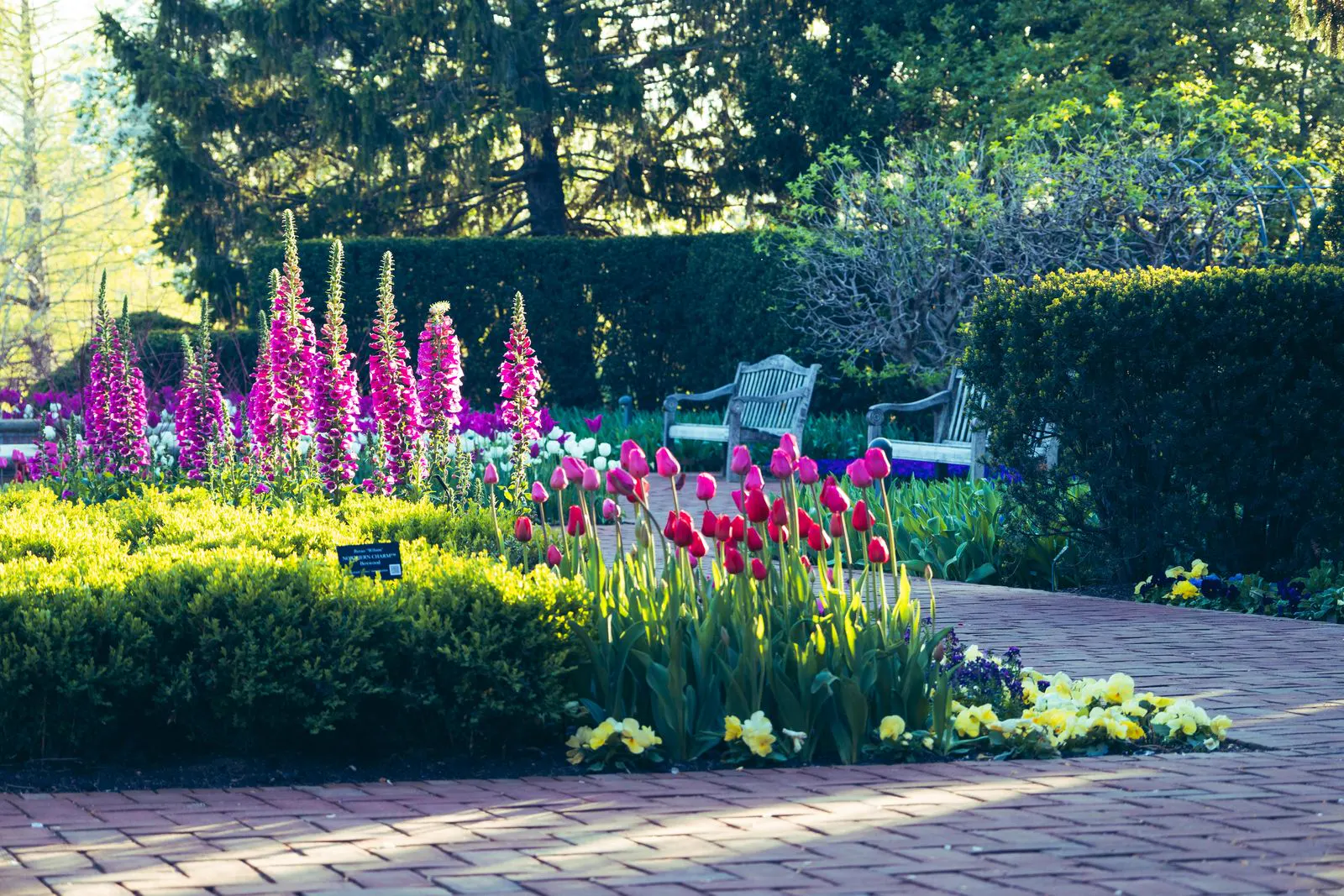
French country gardens lean on classic, fragrant plants and tidy evergreens:
All of these grow well in our Zone 6b climate, so a French country planting is very achievable here. For more on what thrives locally, see our guides to landscaping plants and spring flowers for Pittsburgh gardens.
You do not need a chateau-sized lot. French country style actually suits small gardens beautifully because it relies on structure and restraint rather than sheer space. For a small French garden:
The same principles scale up to the whole property:
For larger projects that combine grading, stonework, and planting into one cohesive plan, see our landscape design services.
The most common mistake is choosing elements that are too modern or too decorative. Glossy finishes, bright colors, and complicated designs are the opposite of the French country look. When in doubt, choose the simpler, more weathered option, and let structure and fragrance carry the space.
The French country garden aesthetic continues to resonate with homeowners because its timeless, elegant design never goes out of style. The weathered look helps you feel more connected to the relaxed, rustic warmth of nature. It is also practical: with affordable ways to mimic an aged finish and readily available plants, you can create a French country garden even in a small space.
If you want help bringing this look to your own yard, our team can fold containers, gravel, and structure into a larger plan. Learn more about our landscape design services or get in touch to start a project.





From the blog
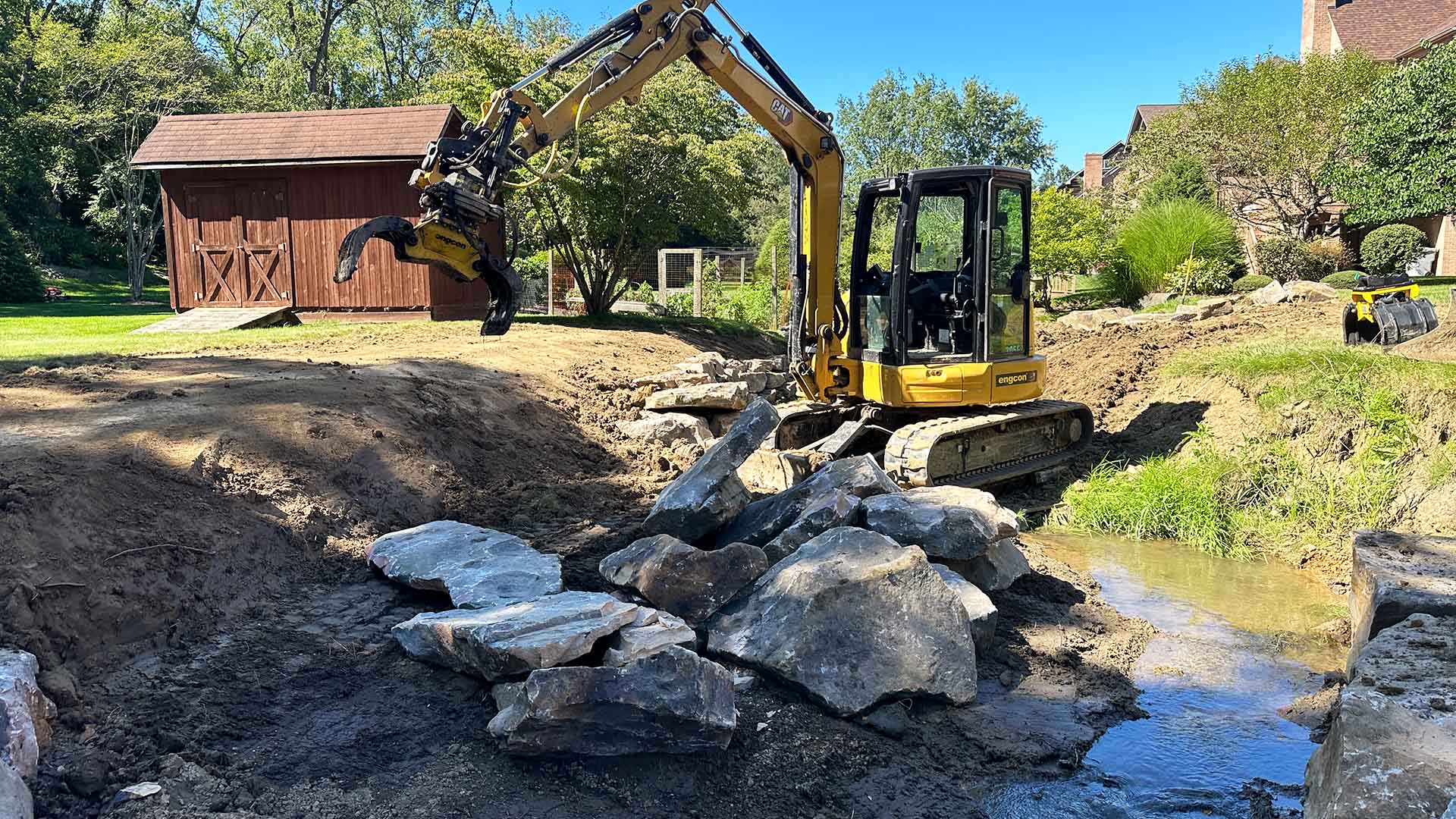 Hillside Landscaping: What Holds a Slope
Water, soil, and a good base decide whether a slope stays put. Here is how walls, boulders, and stone work on South Hills hillsides.
Read the article
 Protecting New Sod, Seed and Plantings Over Winter
What a new lawn and new plants need to get through their first Pittsburgh winter, and what to check when the ground thaws.
Read the article
 Rock Salt and Pavers: Winter Care
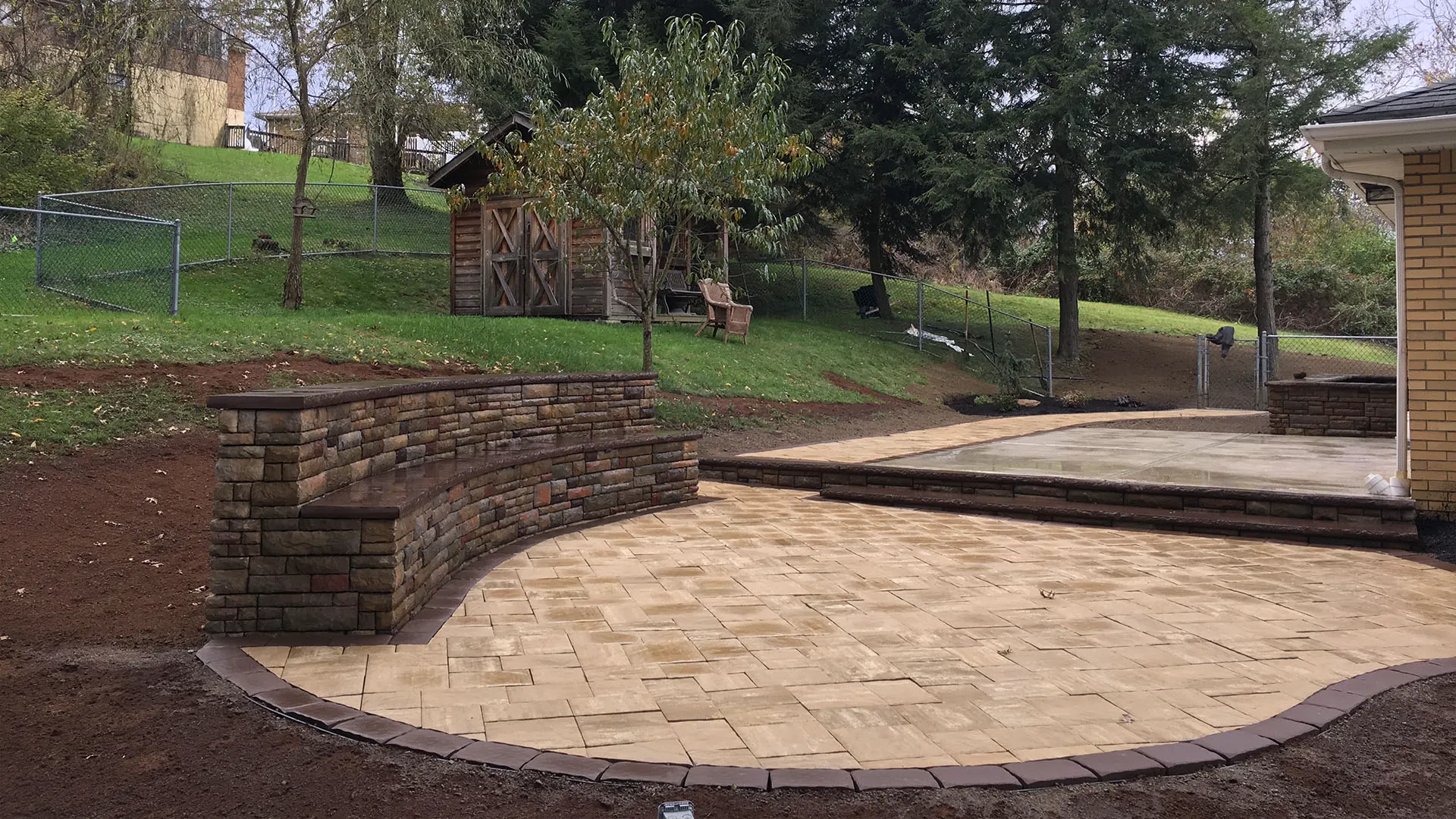
How salt, snow piles, and ice affect patios, walls, and steps in a Pittsburgh winter, and what to do instead.
Read the article
 Six Signs Your Yard Needs Drainage Work
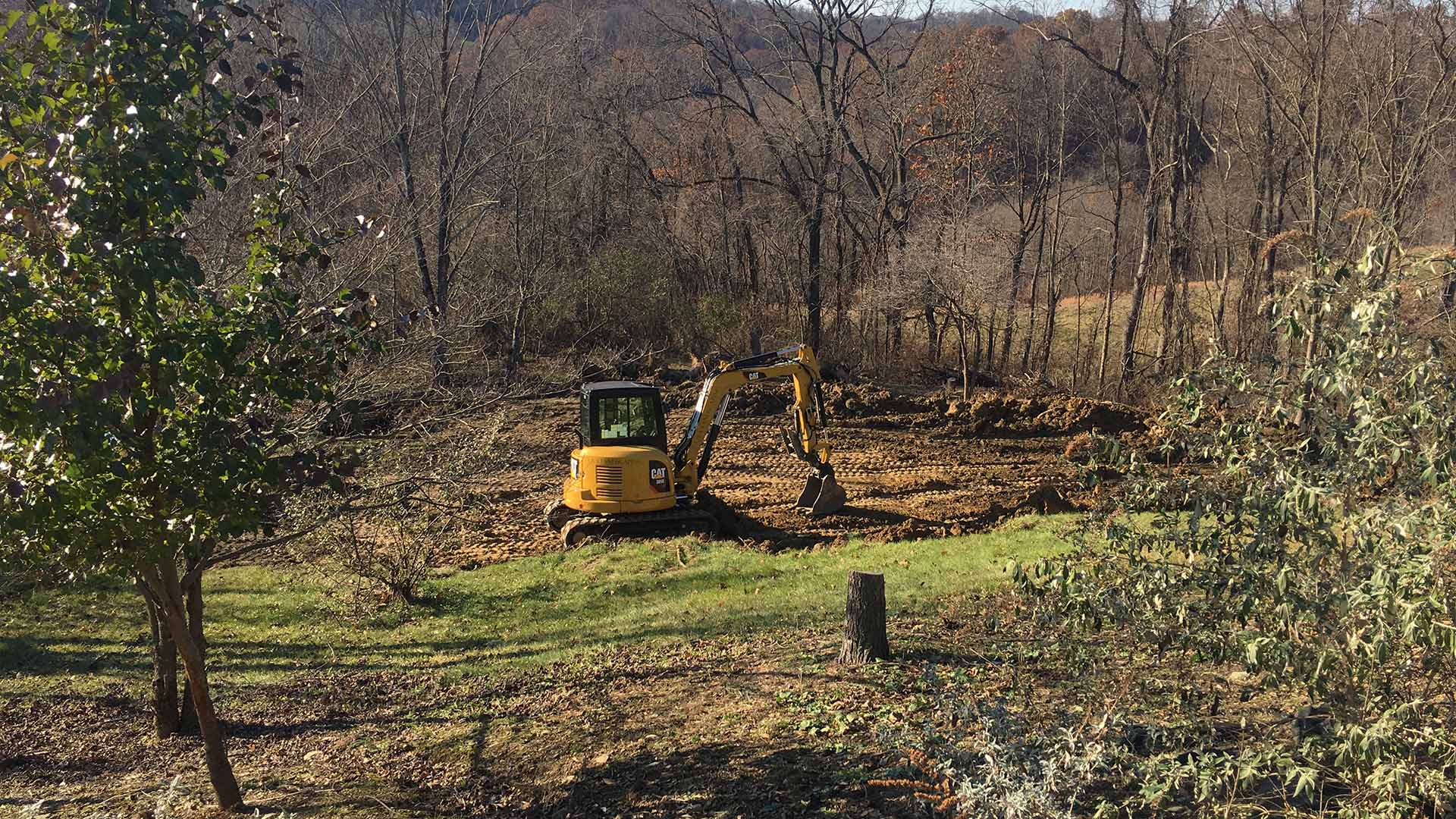
Standing water and soft ground are the early ones. Here are six signs to watch for on a South Hills property, and what to do about them.
Read the article
 Pavers, Exposed Aggregate, or Stamped Concrete
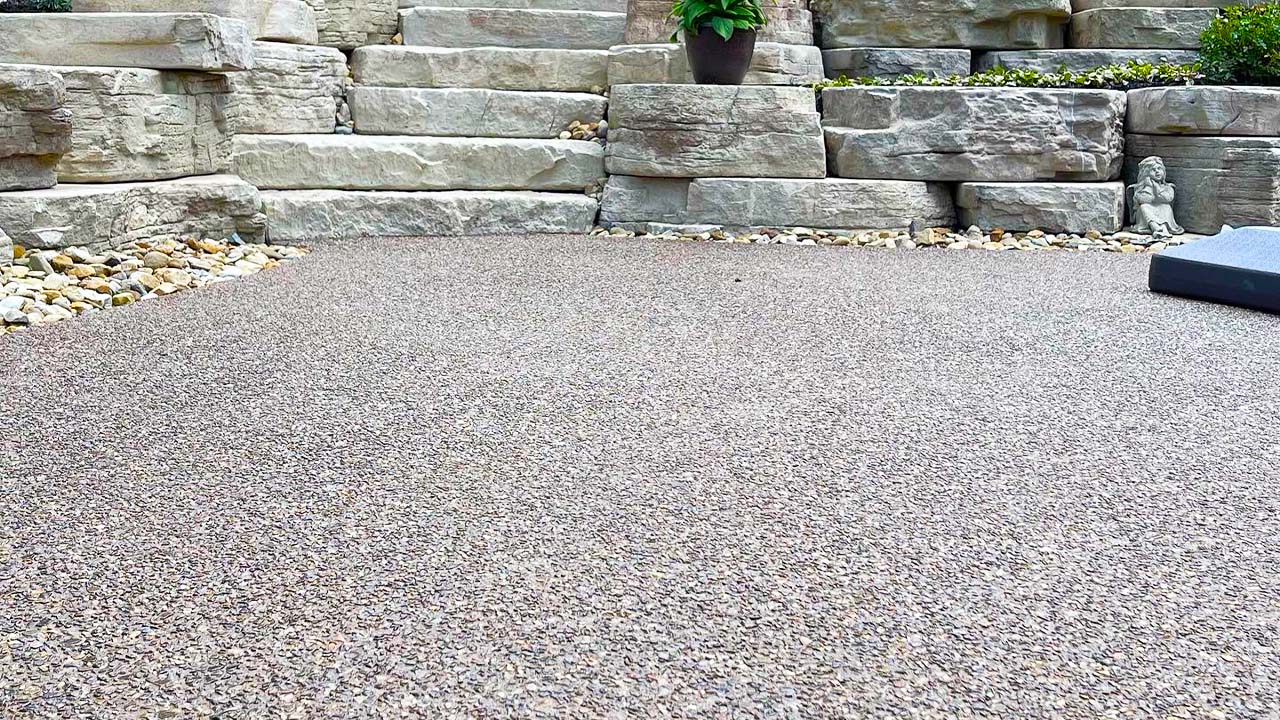
Three good patio surfaces, and Pittsburgh winters treat them differently. Here is how they compare on freeze-thaw, repair, look, and price.
Read the article
 Commercial Snow Removal in Pittsburgh
What a commercial snow plan covers for the 2026 to 2027 season, how our list works, and why the time to book is before the first storm.
Read the article
 Fall Cleanup Checklist
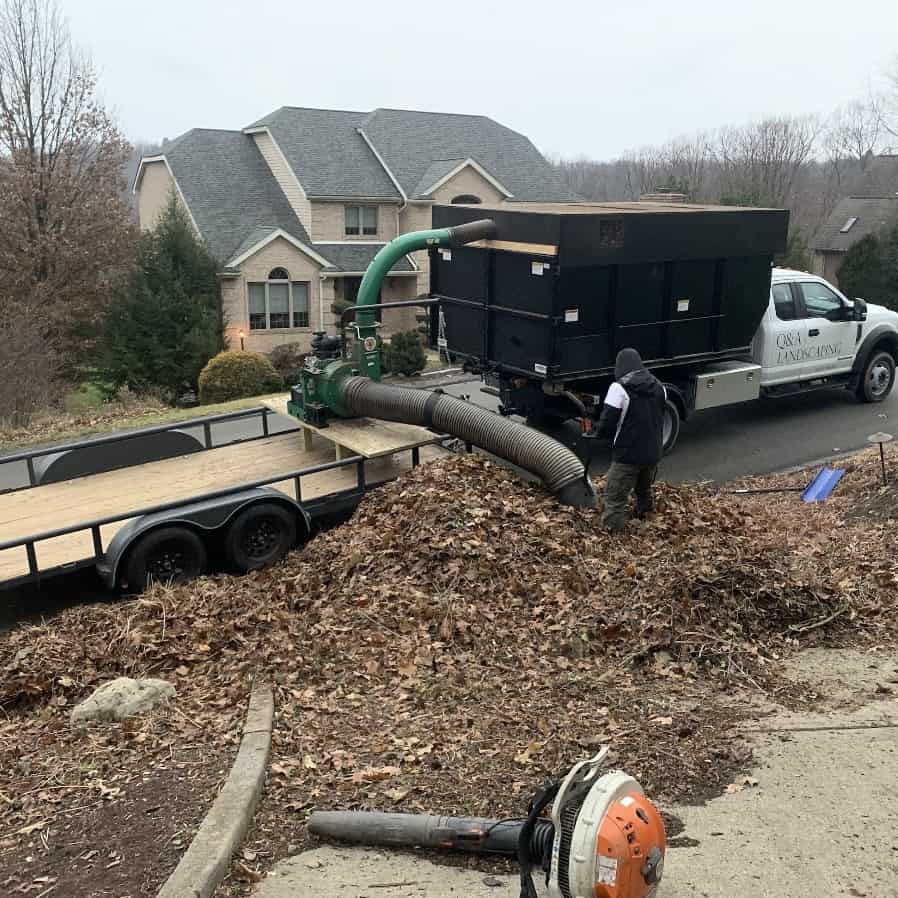
A simple, step-by-step list for preparing your yard before winter arrives.
Read the article
 Book a Spring Patio or Wall Over the Winter
The spring schedule fills early. A winter site visit and estimate gets you a spot on it and leaves the decisions made before the ground thaws.
Read the article