Concrete Patios, Walkways & Driveways in Pittsburgh
We complete concrete walkway, driveway, step, and patio projects. Our process ensures proper compaction of subsoil and base creating a lasting product. Pours include wire mesh throughout and rebar where applicable. During the project, we take care of your yard, and clean up without a trace!
Exposed Aggregate Concrete Patios & Steps
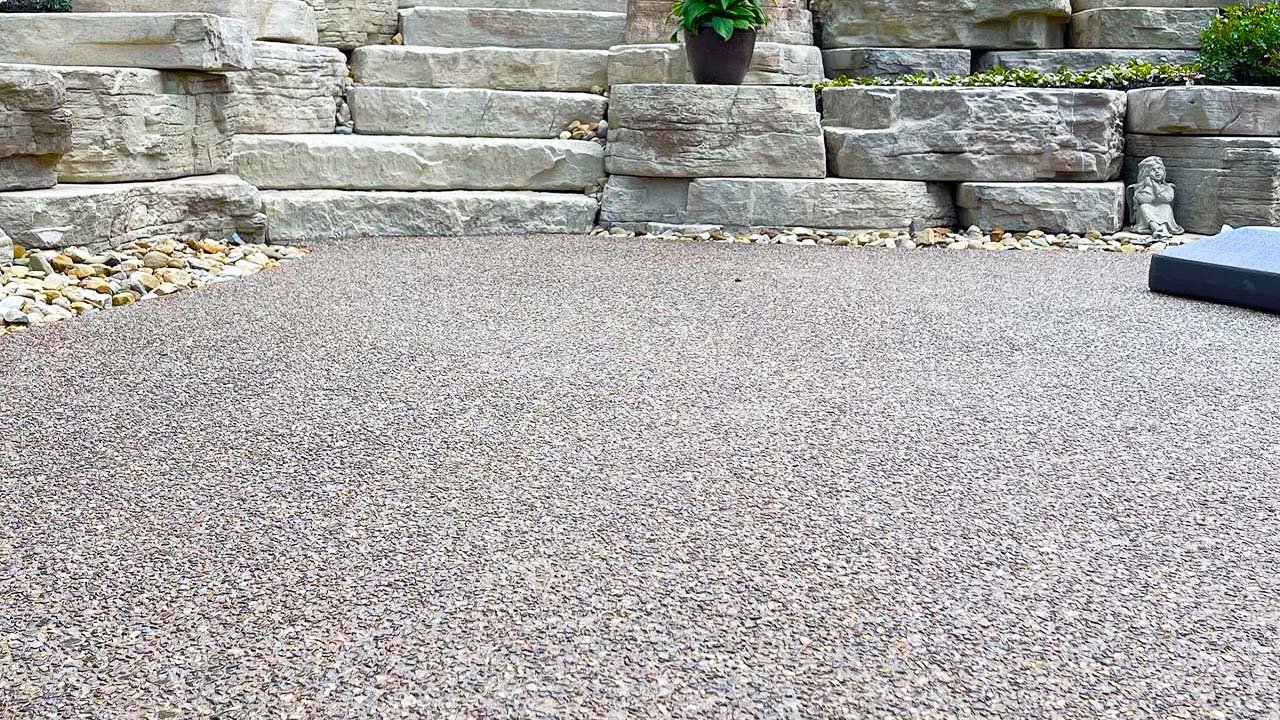
Exposed aggregate concrete is an attractive alternative to traditional concrete at a cost-effective price point. As the concrete sets up we apply a solution that allows us to remove the top layer of cement to expose the stones in the mix. The result is a textured finish with a subtle color variation in the stones. We are able to achieve different colors in the concrete through additives and sealers.
Stamped Concrete Patios & Walkways Pittsburgh
We frequently pour stamped concrete patios utilizing a granite stamp, resulting in a concrete surface that looks like natural stone. We can color the concrete through multiple methods, leading to a truly unique concrete project.
Concrete FAQs
How much does a concrete patio cost in Pittsburgh?
+
Basic concrete runs $8-$12 per square foot. Stamped concrete with color ranges from $15-$25 per square foot. Exposed aggregate falls in between. Price depends on size, prep work needed, and design complexity.
What's the difference between stamped and exposed aggregate concrete?
+
Stamped concrete is pressed with patterns to mimic stone, brick, or tile while still wet. Exposed aggregate reveals the decorative stones within the concrete mix by washing away the surface layer. Both offer durability with different aesthetic styles.
How long does concrete need to cure?
+
You can walk on new concrete after 24-48 hours. Light furniture can go on after 3-4 days. Full cure takes about 28 days - avoid heavy loads and deicing chemicals during this period for best results.
Do you remove old concrete before pouring new?
+
Yes, we handle complete removal of existing concrete, including hauling away debris. We then prepare the subbase properly with compacted gravel before pouring - this foundation work is critical for crack-free concrete.
When is the best time to pour concrete?
+
Spring and fall are ideal in Pittsburgh - moderate temperatures (50-70°F) allow proper curing. We can pour in summer with precautions, but avoid freezing conditions in winter. We'll schedule your project for optimal conditions.
Is it safe to use salt or deicers on concrete in the winter?
+
Deicing salts can be hard on concrete, especially during the first year while it's still curing, contributing to surface scaling or pitting over time. We recommend avoiding deicing chemicals entirely during the initial cure period and using them sparingly afterward, especially on stamped or colored surfaces. Plain sand offers a safer option for traction without the same risk to the surface.
Will my concrete patio or driveway crack over time?
+
Some cracking is a normal part of how concrete ages, especially with Pittsburgh's freeze-thaw cycles. We reduce the risk with proper subbase compaction and wire mesh and rebar where applicable, along with control joints placed to guide any cracking to less visible spots instead of random locations. A well-built concrete surface can still develop hairline cracks over many years, but a solid base is what keeps those cracks from turning into real settling problems.
What are control joints and why does concrete need them?
+
Control joints are grooves cut or formed into concrete at regular intervals that give the slab a planned place to crack as it naturally shrinks and expands. Without them, concrete tends to crack randomly wherever stress builds up, which looks worse and is harder to manage. We space control joints appropriately for each project's size and layout as part of the pour.
Do you install concrete edging or borders around beds and walkways?
+
Yes, concrete edging is one of our most requested add-ons for defining clean lines between lawn, beds, and hardscaping. It holds up longer than plastic or metal edging and doesn't shift out of place the way loose materials can. We install it as a standalone project or alongside a larger concrete or mulch installation.
Do concrete projects require a permit in Pittsburgh?
+
Permit requirements for concrete work vary by municipality across the South Hills, and some townships require permits for driveways, larger patios, or work that affects drainage or setbacks. We're familiar with local requirements across the communities we serve and will advise you on what's needed during your estimate.
Do you pour concrete driveways as well as patios?
+
Yes, we handle concrete driveways in addition to patios, walkways, and steps. Driveways see more consistent vehicle loads than a patio, so we adjust base depth and reinforcement accordingly. The same subbase compaction and control joint principles that keep a patio crack-free apply to driveway work as well.