A privacy fence is one of the highest-value improvements you can make to a Pittsburgh backyard. It blocks the neighbor's sightline, keeps kids and pets in, cuts road noise, and gives you a clean backdrop for planting beds and outdoor living. The first question almost everyone asks is a fair one: what does it actually cost? Here is a straight look at privacy fence pricing in the Pittsburgh area, broken down by material, plus the details that push the number up or down and how permits factor in.
Most privacy fences in the Pittsburgh area land somewhere between $25 and $70 per linear foot installed, and the material you choose is the single biggest lever. A typical suburban backyard run of 150 to 200 feet therefore tends to fall in the $4,000 to $12,000 range once labor, posts, and gates are included. Those are broad brackets on purpose, because two yards of the same size can price out very differently depending on slope, access, and how many corners and gates the layout needs.
Here is how the three most common privacy fence materials compare on installed cost and on what you get for the money.
Wood is the classic privacy fence and usually the most affordable way to get a solid six-foot screen. Pressure-treated pine typically runs about $25 to $40 per linear foot installed, while cedar, which resists rot and holds its color longer, runs closer to $35 to $55. Wood gives you the warmest look and the easiest customization (lattice tops, board-on-board, or a horizontal modern style), but it asks for the most upkeep. Plan on staining or sealing it every few years to hold off Pittsburgh's freeze-thaw weathering.
Vinyl costs more up front, generally $40 to $65 per linear foot installed, but it never needs staining and shrugs off rot and insects. A quick rinse keeps it looking new. Over a 20-year horizon the higher purchase price often evens out against wood's ongoing maintenance. The trade-off is look and repair: vinyl reads as more uniform and modern, and a cracked panel is replaced rather than patched.
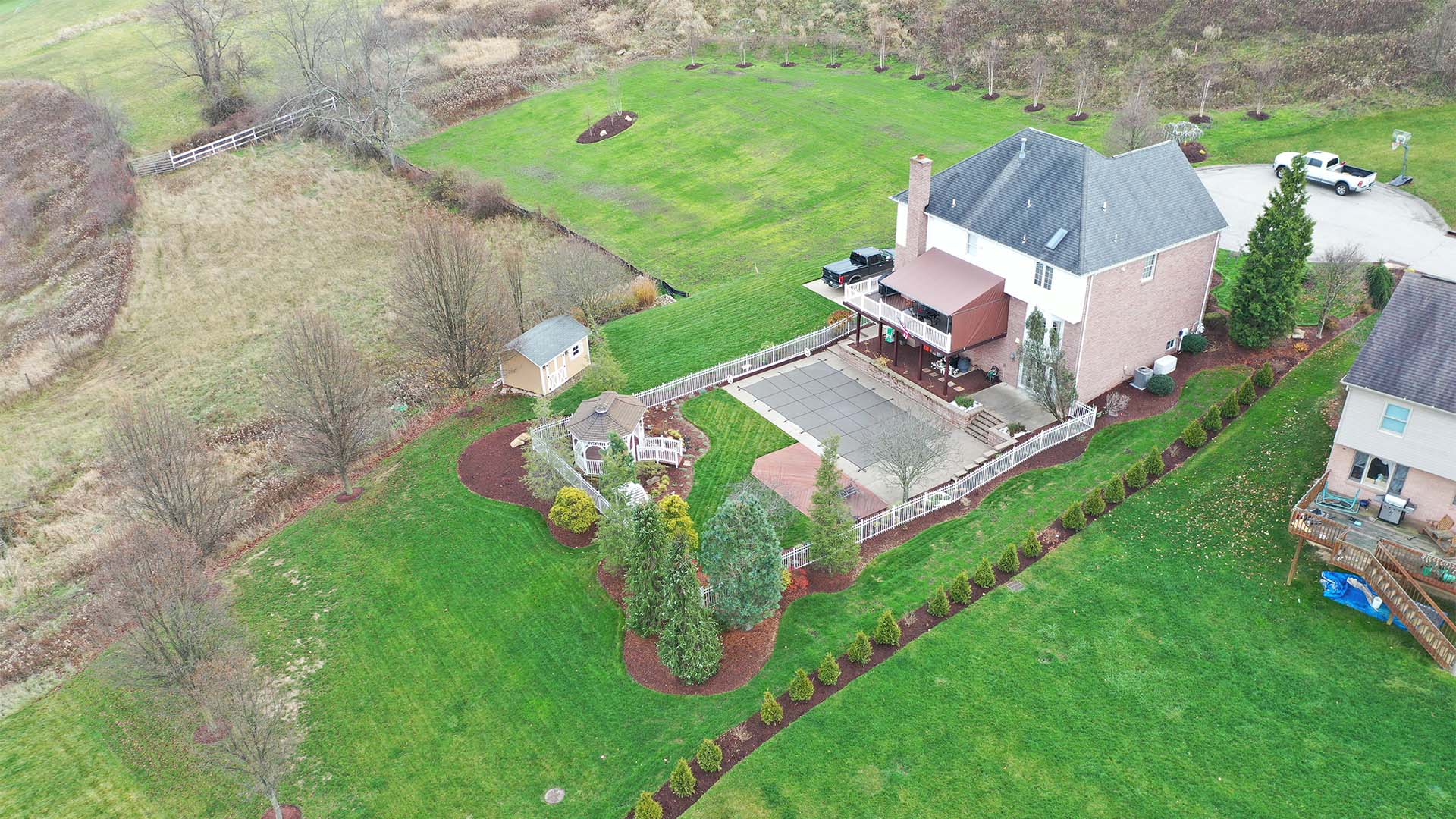
Aluminum is worth understanding even in a privacy conversation. It is powder-coated, essentially maintenance-free, and elegant, running roughly $30 to $60 per linear foot installed, but standard aluminum is an ornamental (see-through) style, not a full privacy screen. It is the right call for a pool enclosure or a front-yard boundary where code and looks matter more than blocking the view, and many homeowners pair an aluminum front section with a solid wood or vinyl fence in the back.
Two projects with the same fence material and the same footage can still come in hundreds or thousands of dollars apart. These are the factors that move the number:
In most Pittsburgh-area municipalities the answer is yes, and requirements vary from one borough or township to the next. Common rules cover maximum height (often six feet in a backyard and lower in a front yard), how far the fence must sit from the property line, and corner-lot sightline rules near intersections. Skipping the permit can mean fines or being told to move a finished fence, so it is worth confirming the rules before anyone digs.
For a clear rundown of local requirements, Pittsburgh's Q&A Fencing keeps a helpful guide to fence permits in Pittsburgh, PA that walks through height limits, setbacks, and the approval process by municipality.
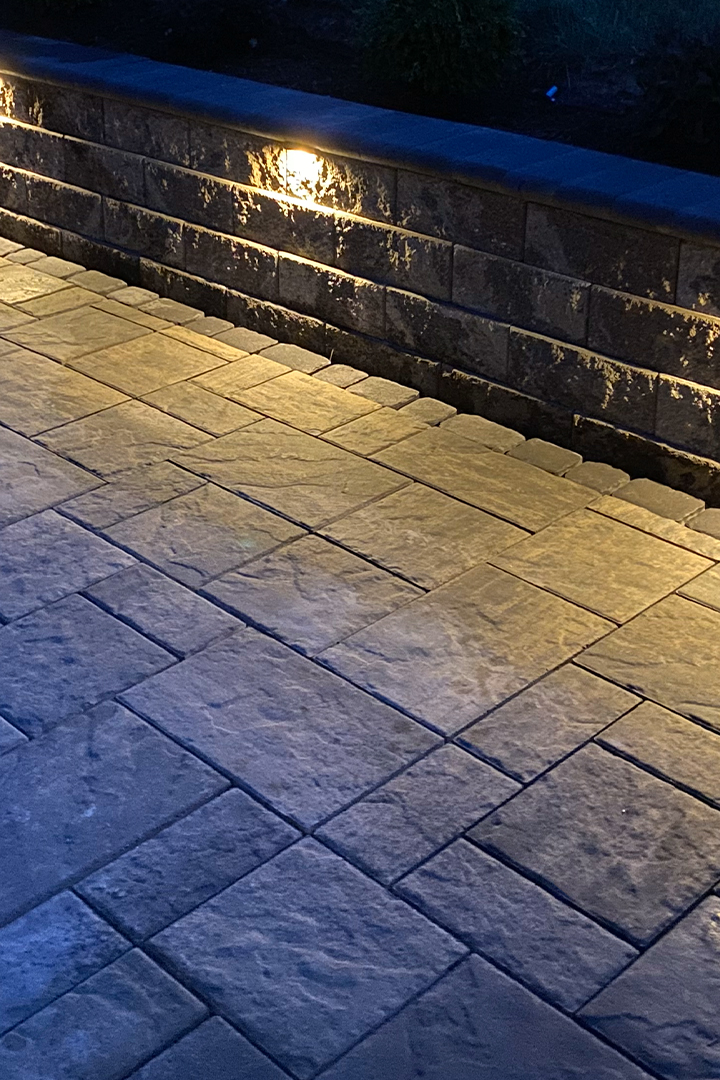
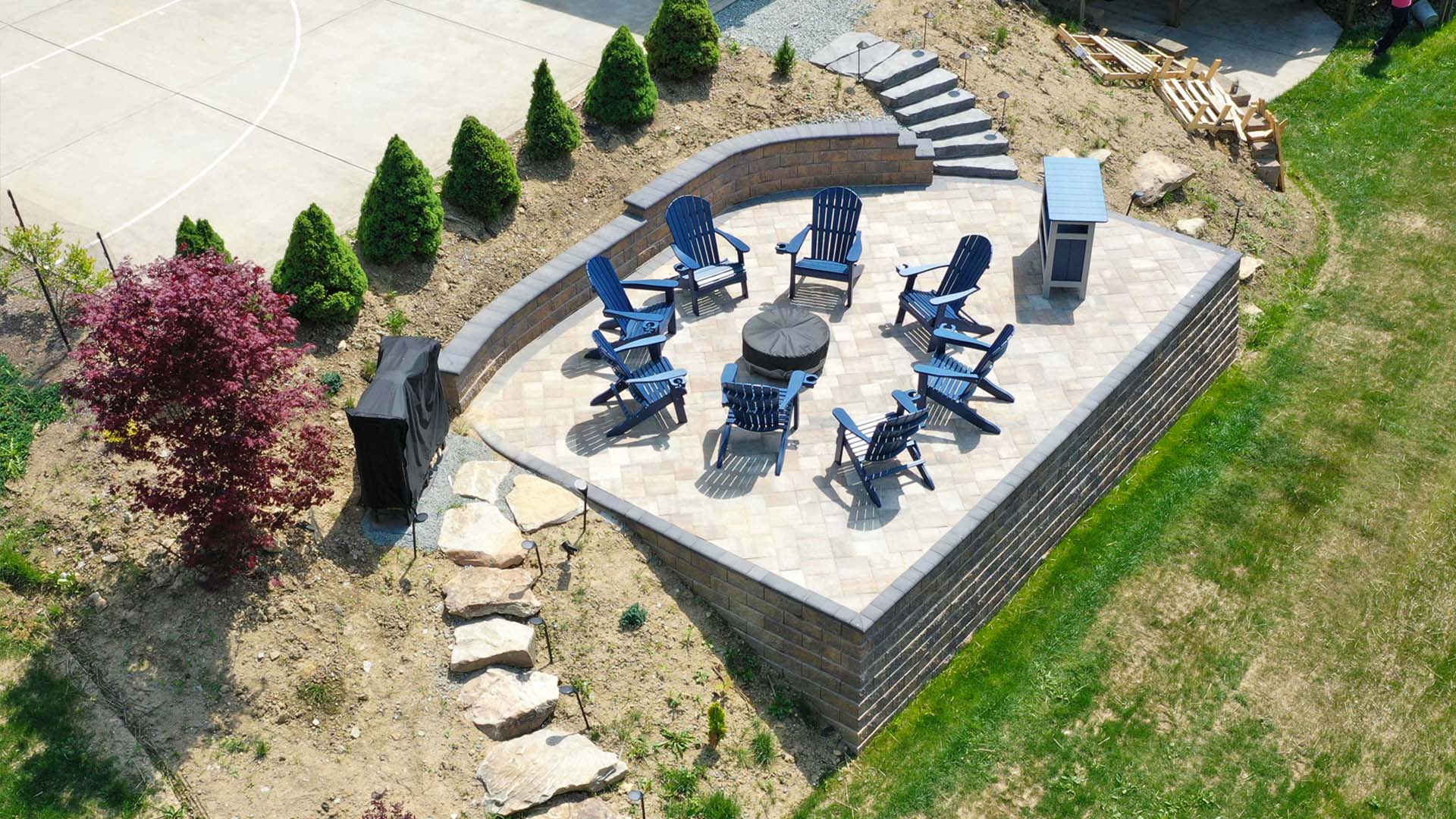
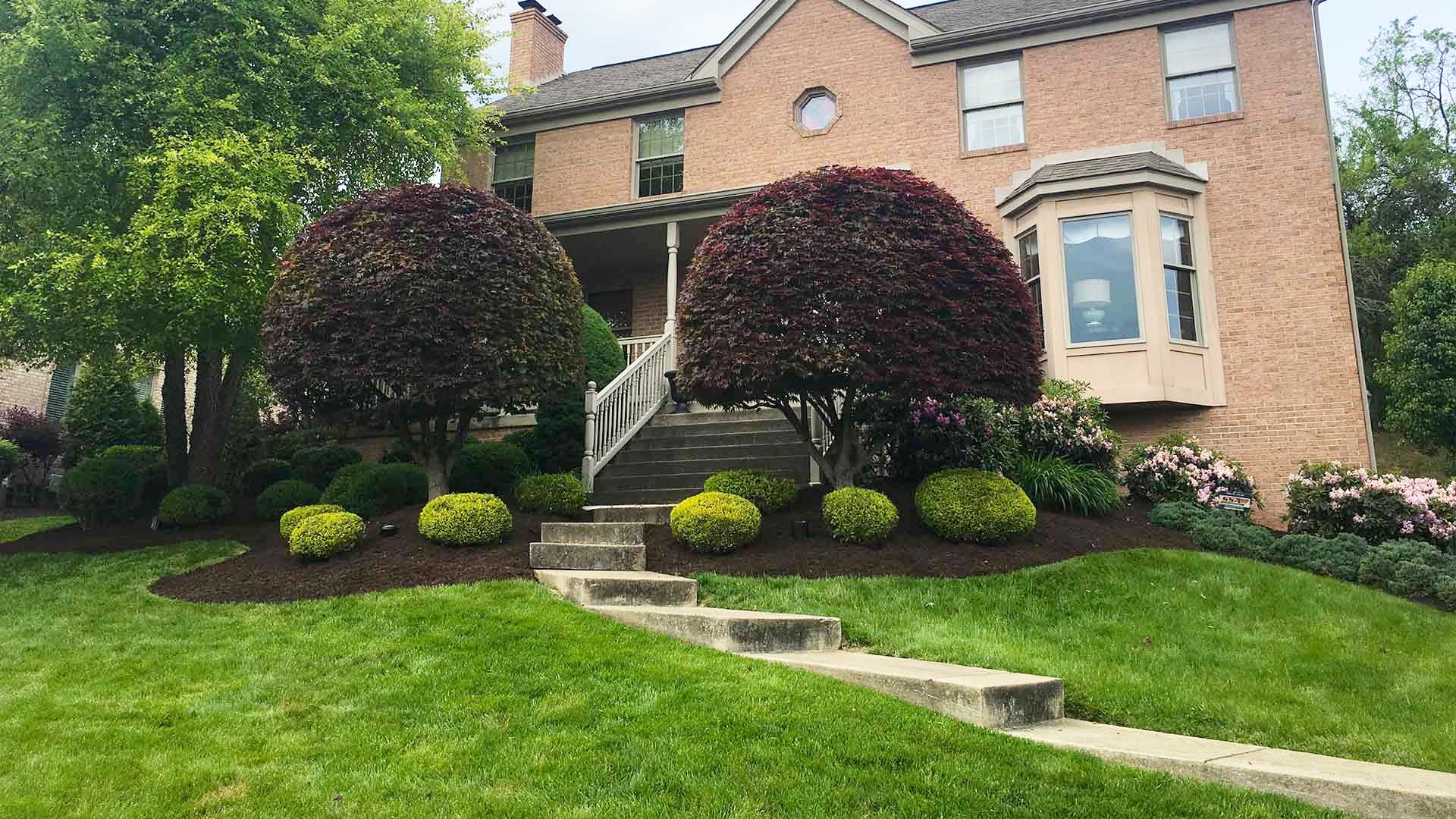
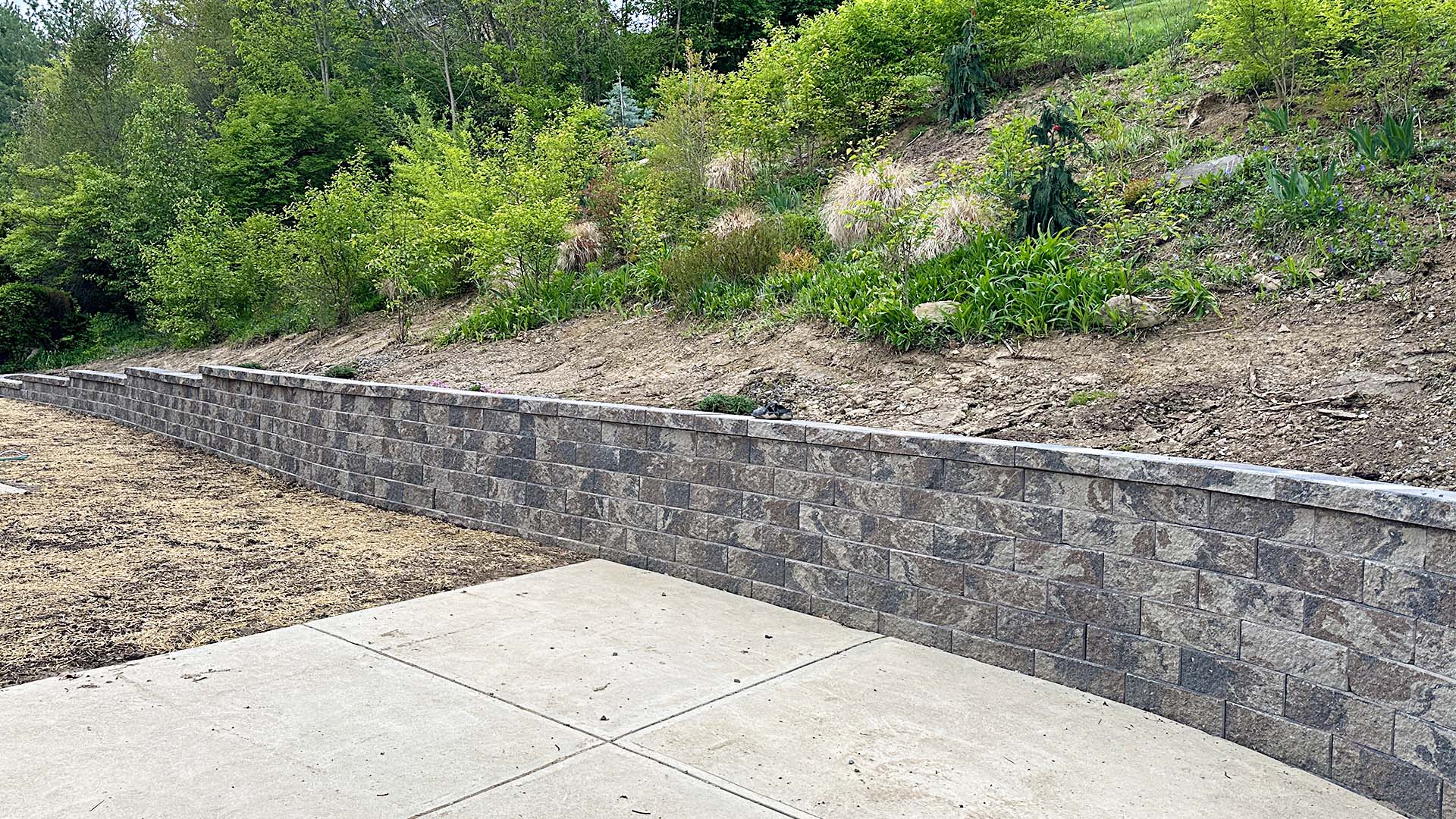
A fence rarely stands alone. It defines the edge of a space that then gets planted, graded, and built out, and thinking about all of it together usually produces a better yard than treating the fence as an afterthought. A few pairings we see often:
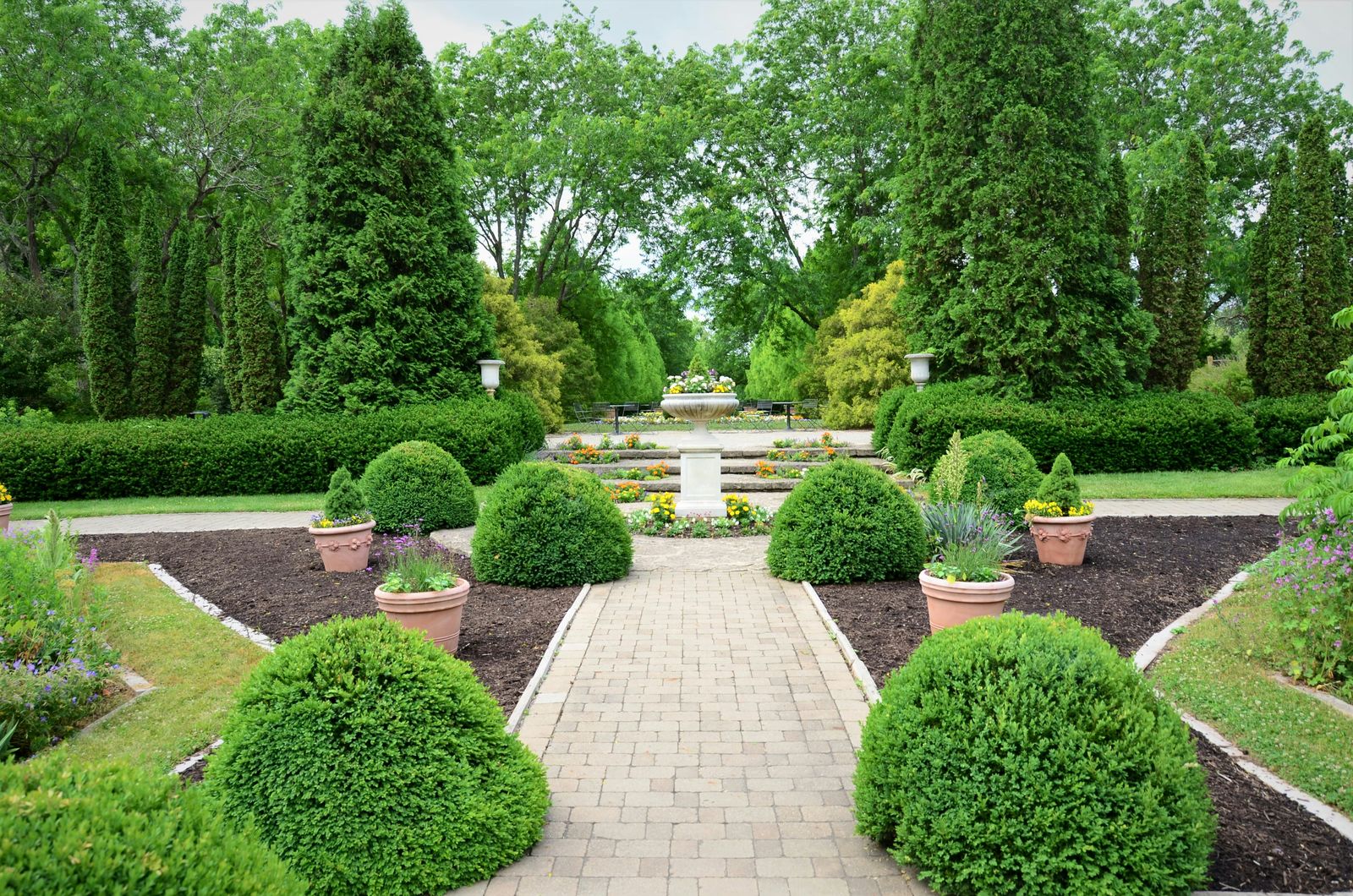
If you are after a softer, more romantic boundary, some of the same principles show up in our guide to French country garden ideas, where structure and greenery do the work a hard fence would otherwise handle.
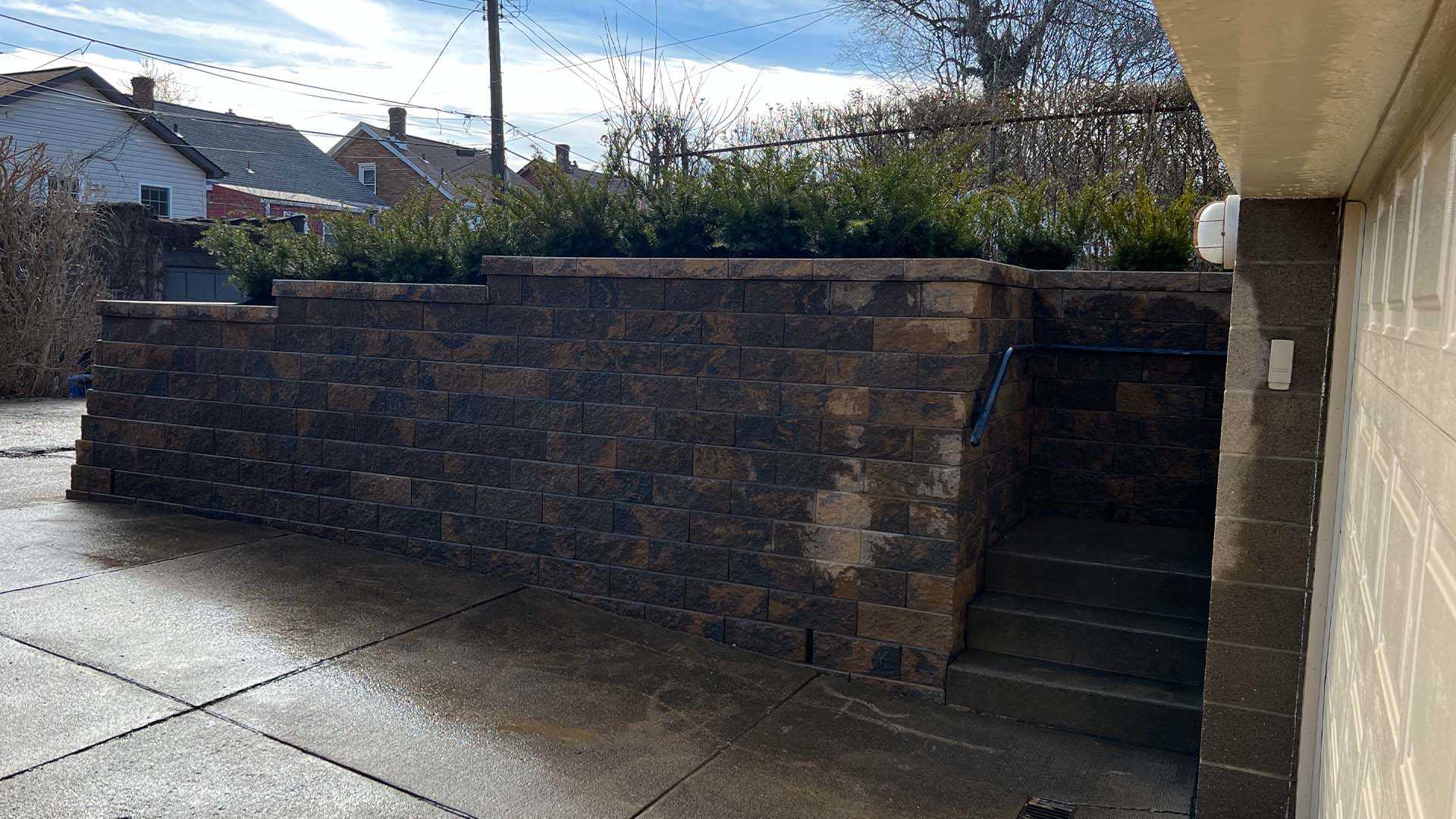
Q&A Landscaping focuses on the landscaping and hardscaping around a fence: the walls, grading, planting beds, and patios that make the whole yard work. For the fence build itself, Pittsburgh's Q&A Fencing handles wood, vinyl, and aluminum fence installation across the region and can speak to current per-foot pricing and the permit process for your specific municipality. Getting an itemized quote from a fence installer, with the material, height, footage, and gates spelled out, is the only way to turn the ranges above into a real number for your yard.
Once you have a fence quote in hand, the next step is deciding what the enclosed space becomes: a patio, a planted retreat, a level lawn on a graded hillside, or all three. That is where we come in. Reach out through our contact page and we can walk the property, talk through the grading and planting, and help you turn a fenced-in yard into a finished one.