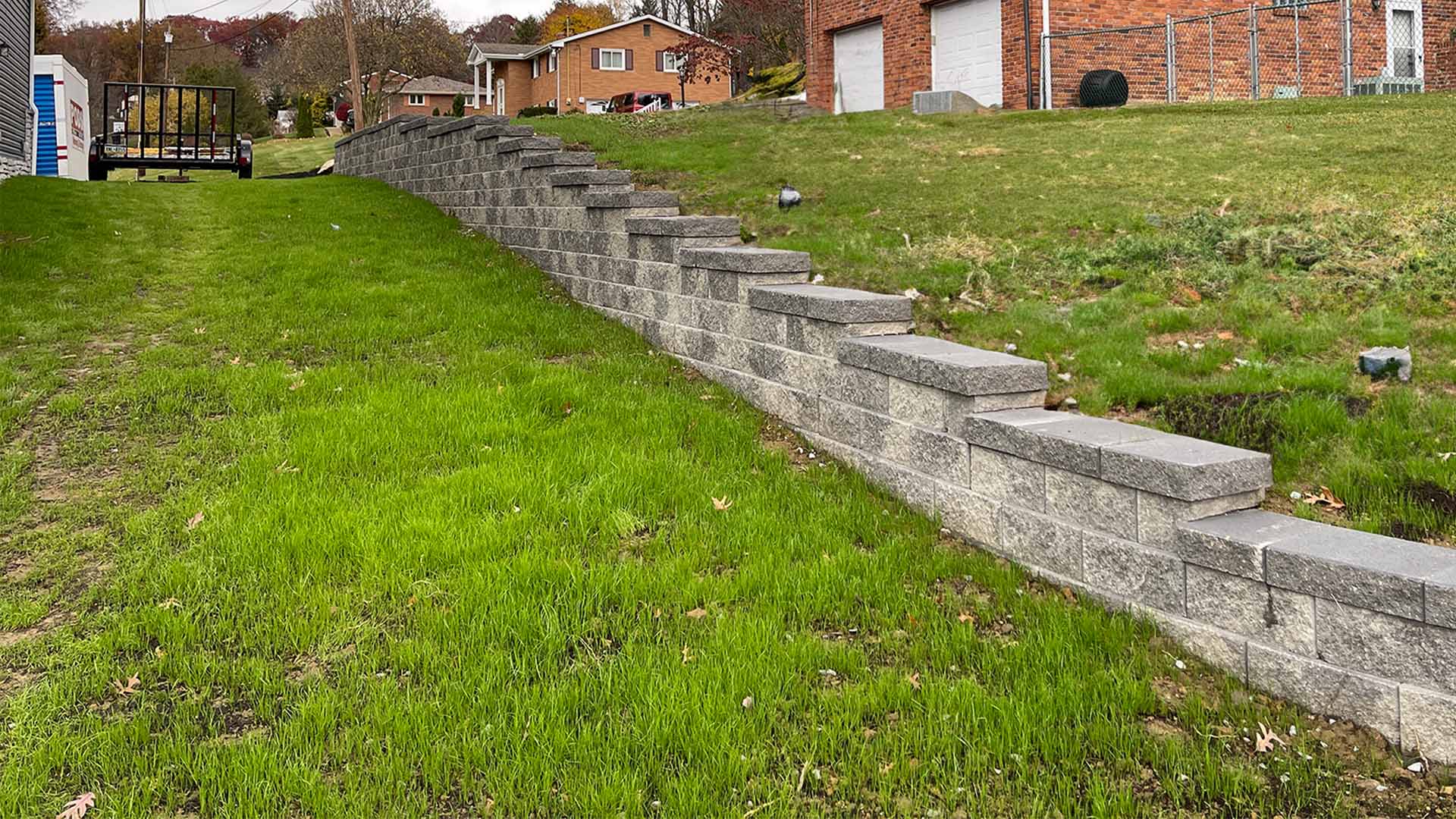
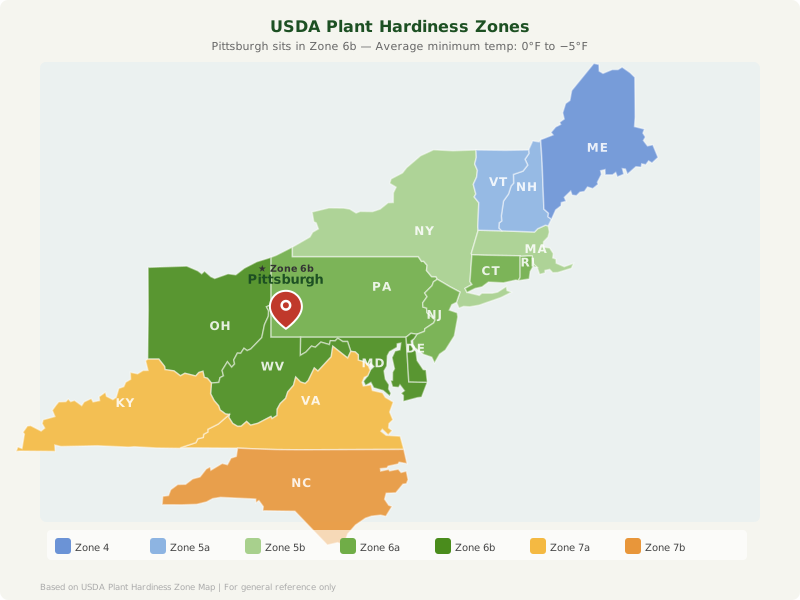
Pittsburgh's Zone 6b climate is a sweet spot for spring blooms, cold enough to give bulbs the winter chill they crave, warm enough to reward you with color from February through June. Here are the flowers that actually thrive in our clay-heavy soil and unpredictable spring weather, not just the ones that look good on a seed packet.
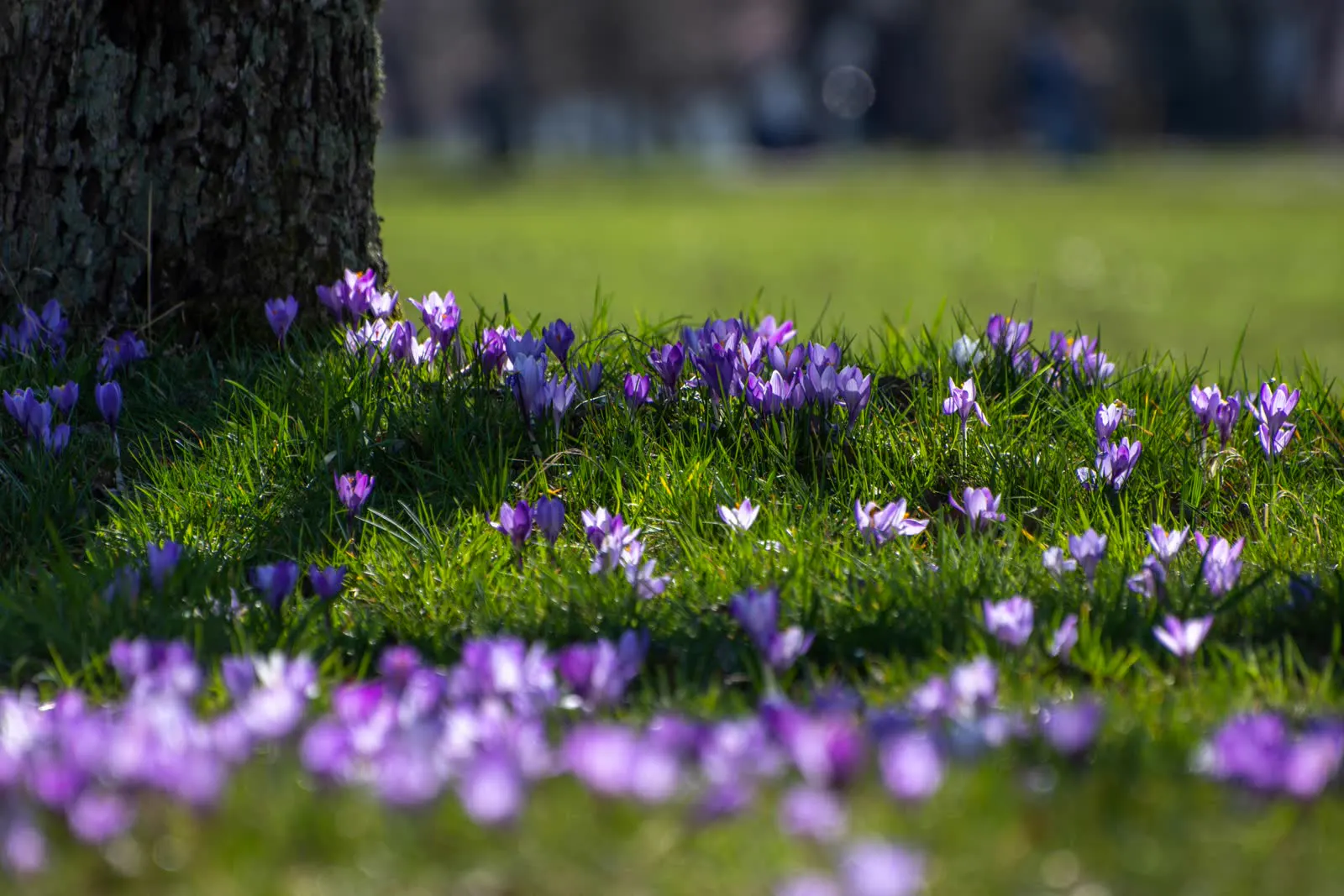
Colors: Purple, yellow, white, striped
Bloom Time: Late February - March
When to Plant: Fall (October-November)
Where to Plant: Full sun to partial shade; well-drained soil
Pricing: $
One of the first flowers to emerge, often pushing through late snow. These low-growing bulbs naturalize and spread over time, creating larger displays each year. Plant in clusters of 10-25 for visual impact along walkways, under trees, or scattered through lawn areas. Deer and rabbit resistant.
Pairs Well With: Snowdrops, winter aconite, early daffodils, hellebores
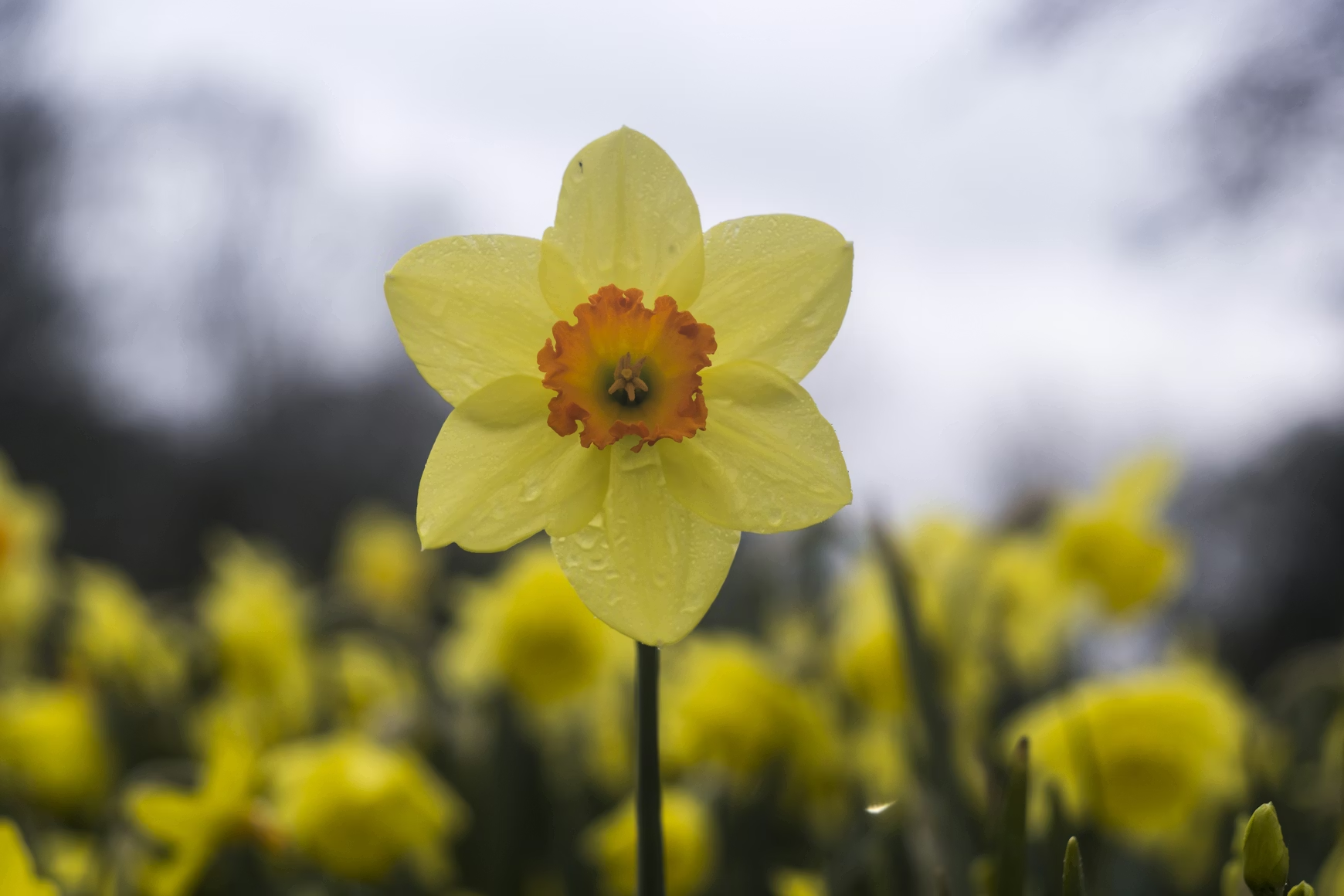
Colors: Yellow, white, orange, pink, bicolor
Bloom Time: March - April
When to Plant: Early fall (September-October)
Where to Plant: Full sun to partial shade; well-drained soil
Pricing: $
The most reliable spring bulb, returns stronger year after year with minimal care. Plant bulbs 6-8 inches deep with the pointed end up. Deer and rodent resistant due to toxic alkaloids. Allow foliage to die back naturally for 6 weeks after blooming to store energy for next season. Excellent for mass plantings and naturalizing on slopes.
Pairs Well With: Tulips, grape hyacinths, forsythia, bleeding heart
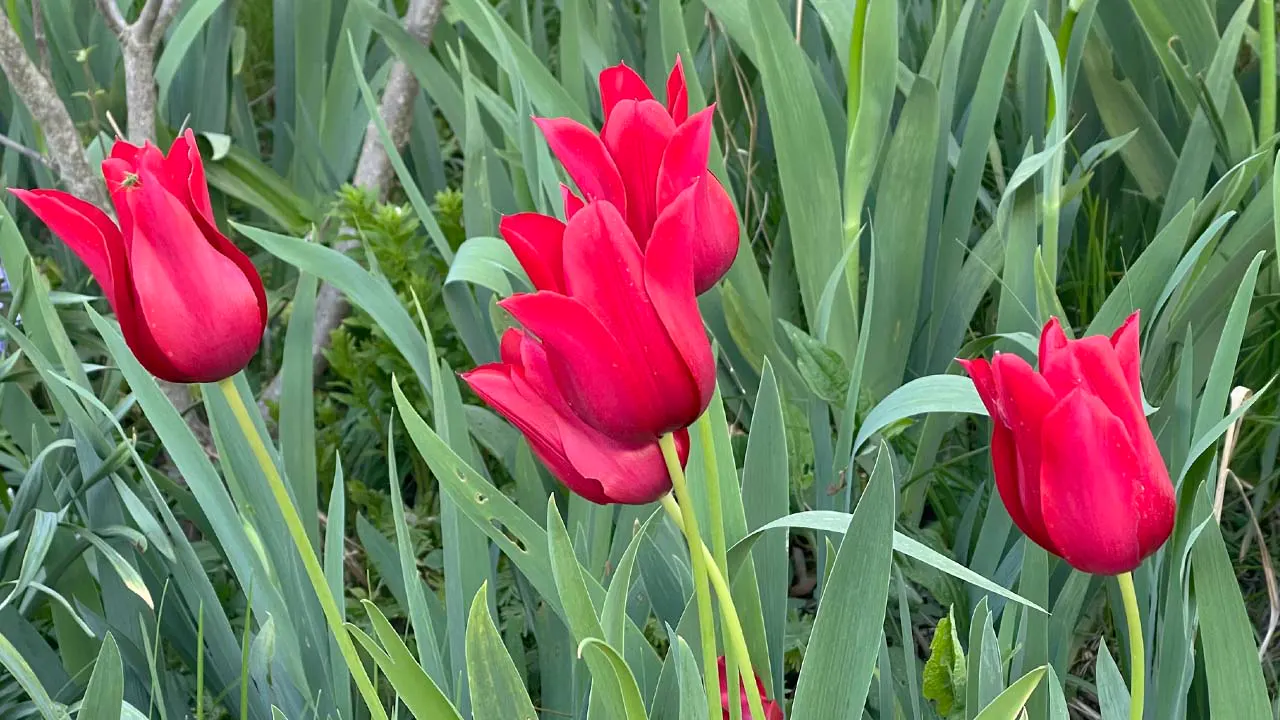
Colors: Nearly every color, red, pink, purple, yellow, orange, white, black, bicolor
Bloom Time: April - May
When to Plant: Late fall (mid-November through December)
Where to Plant: Full sun; well-drained soil
Pricing: $ - $$$
The classic spring showstopper with unmatched color variety. Plant 6-8 inches deep in groups of 12+ for dramatic effect. Standard varieties often decline after 2-3 years in Pittsburgh's clay soil; Darwin Hybrids and species tulips perennialize better. For guaranteed annual displays, many gardeners replant fresh bulbs each fall.
Pairs Well With: Daffodils, pansies, forget-me-nots, late-blooming hellebores
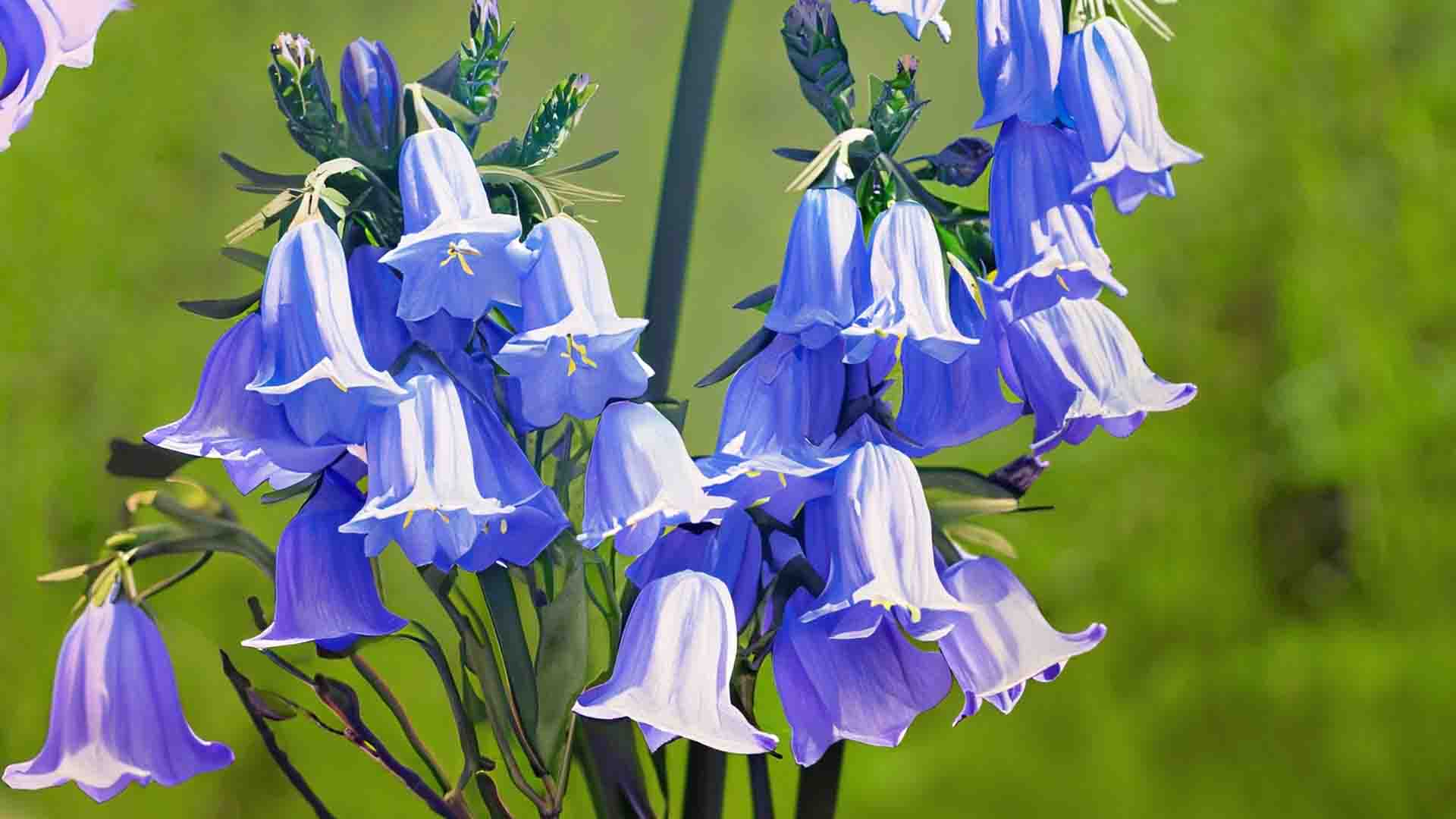
Colors: Pink buds open to sky blue
Bloom Time: April - May
When to Plant: Early spring or fall
Where to Plant: Partial to full shade; rich, moist soil
Pricing: $$
A Pennsylvania native spring ephemeral, emerges in early spring, blooms for several weeks, then goes completely dormant by early summer. This natural cycle makes them ideal companions for shade perennials that fill in later. Perfect for woodland gardens and naturalized areas. Self-seeds gently to form larger colonies over time.
Pairs Well With: Hostas, ferns, astilbe, wild ginger (plants that fill the space after bluebells disappear)
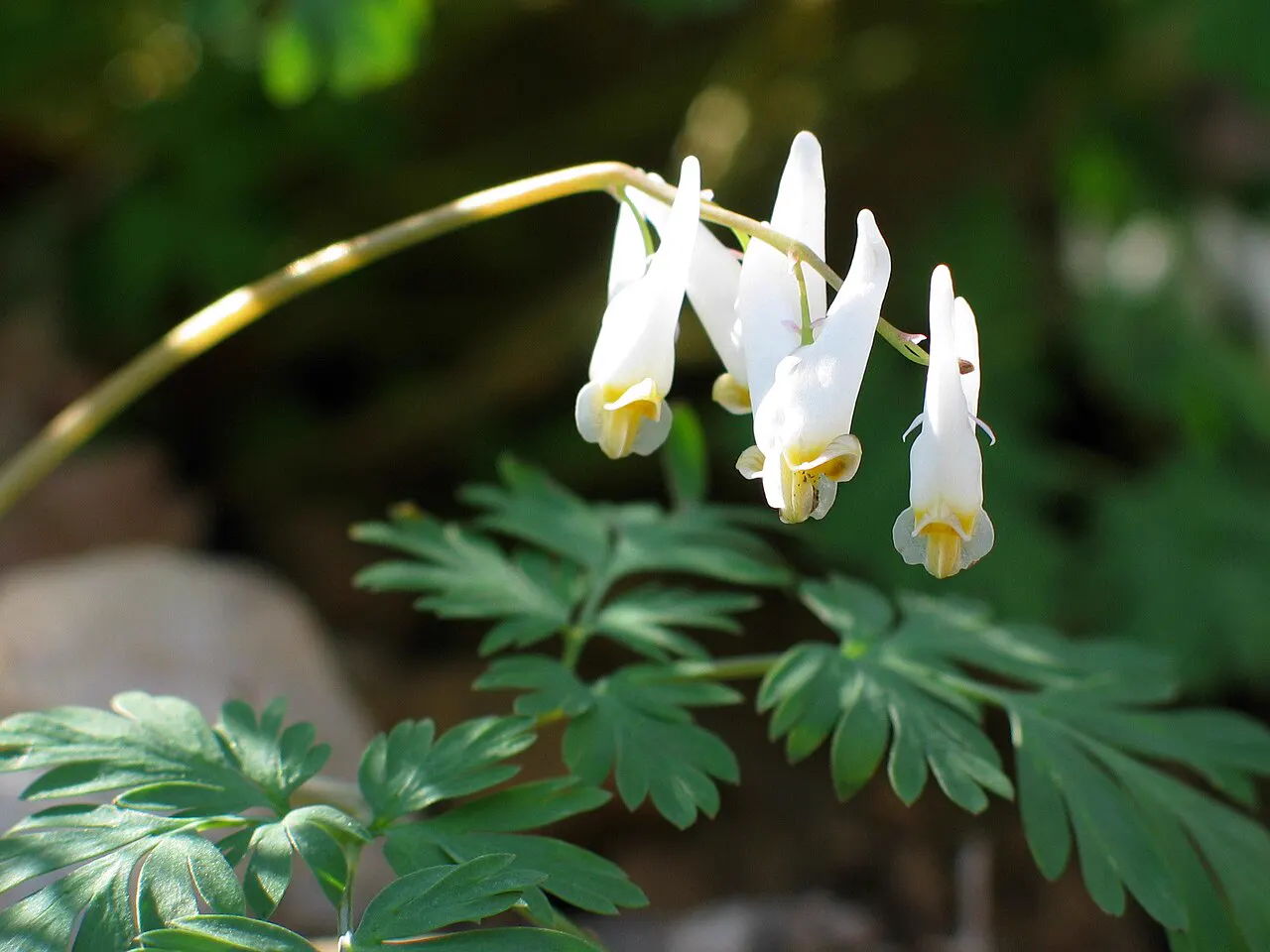
Colors: Pink and white, pure white ('Alba')
Bloom Time: April - June
When to Plant: Early spring or fall
Where to Plant: Partial shade; rich, moist, well-drained soil
Pricing: $$
Graceful arching stems lined with heart-shaped flowers create a romantic cottage garden effect. A shade garden staple that combines beautifully with ferns and hostas. Goes dormant in summer heat, mark the location and surround with later-emerging perennials. For extended bloom, try native fringed bleeding heart (D. eximia), which flowers spring through fall.
Pairs Well With: Hostas, ferns, astilbe, brunnera, Solomon's seal
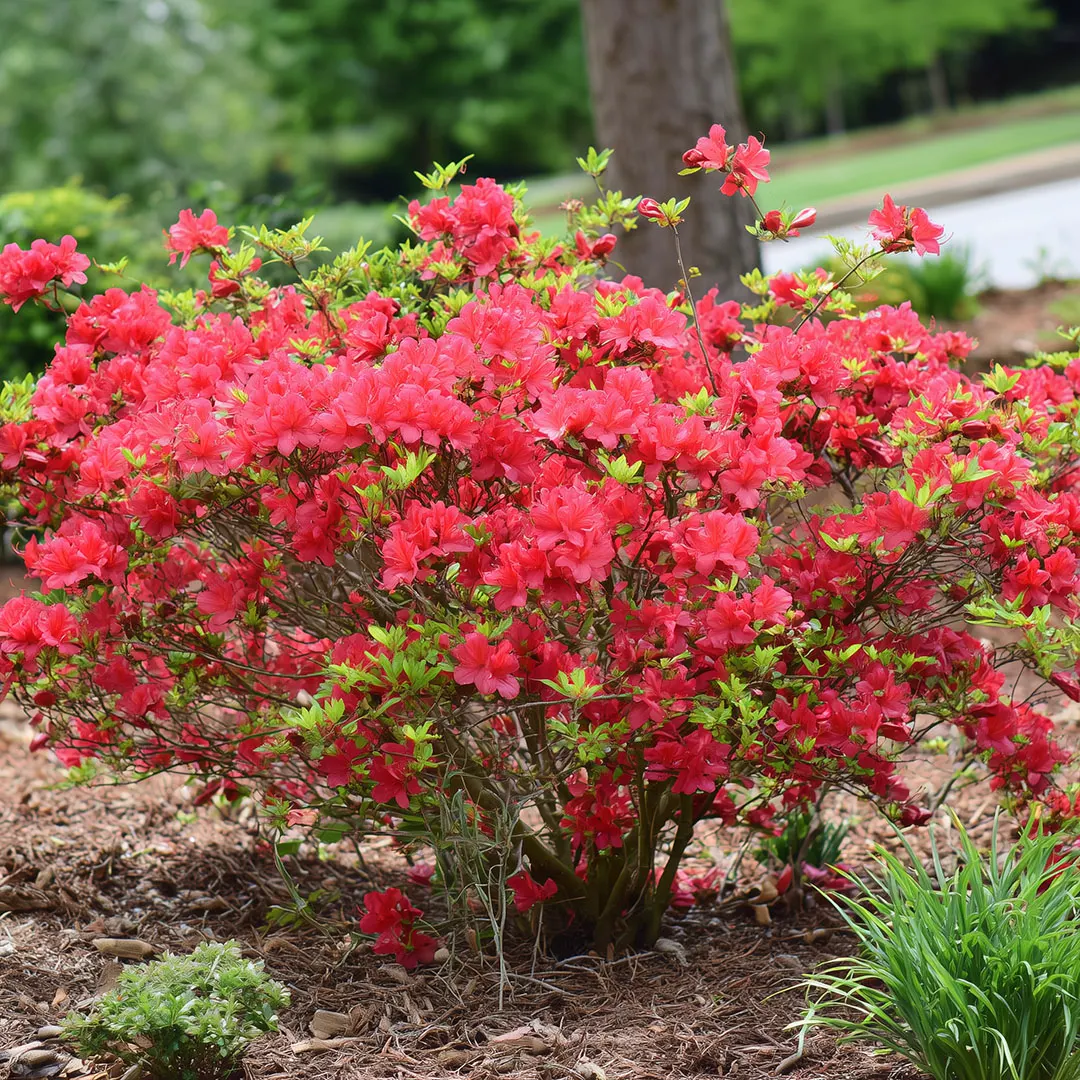
Colors: Pink, red, purple, white, orange, coral
Bloom Time: April - May
When to Plant: Spring or fall
Where to Plant: Partial shade; acidic, moist, well-drained soil
Pricing: $$ - $$$
Showy spring bloomers that can cover themselves so completely in flowers that foliage disappears. Native deciduous azaleas add fragrance and brilliant fall color. Shallow root systems require consistent moisture and benefit from 2-3 inches of mulch (keep mulch away from stems). Plant at the same depth as the nursery container or slightly higher, never deeper.
Pairs Well With: Rhododendrons, ferns, hostas, heuchera, Japanese maples
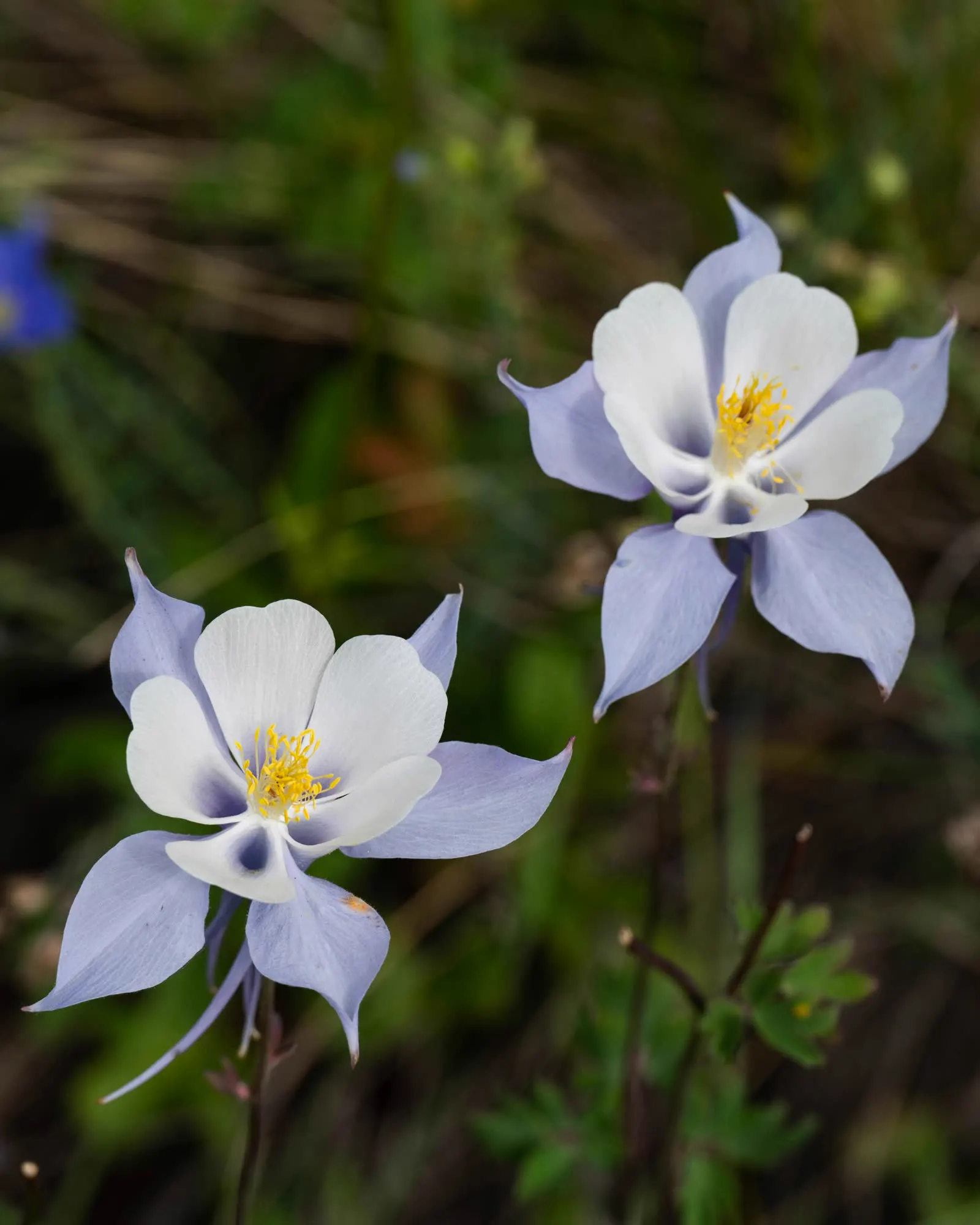
Colors: Red and yellow, blue, purple, pink, white, bicolor
Bloom Time: April - June
When to Plant: Early spring or fall
Where to Plant: Partial shade; moist, well-drained soil
Pricing: $
Delicate, spurred flowers dance on wiry stems, attracting hummingbirds and adding whimsy to any garden. Native wild columbine (A. canadensis) features red and yellow blooms and supports native pollinators. Though individual plants are short-lived (3-4 years), they self-seed readily to maintain the display. Deer resistant and thrives in woodland edges.
Pairs Well With: Ferns, bleeding heart, hostas, coral bells, wild geranium
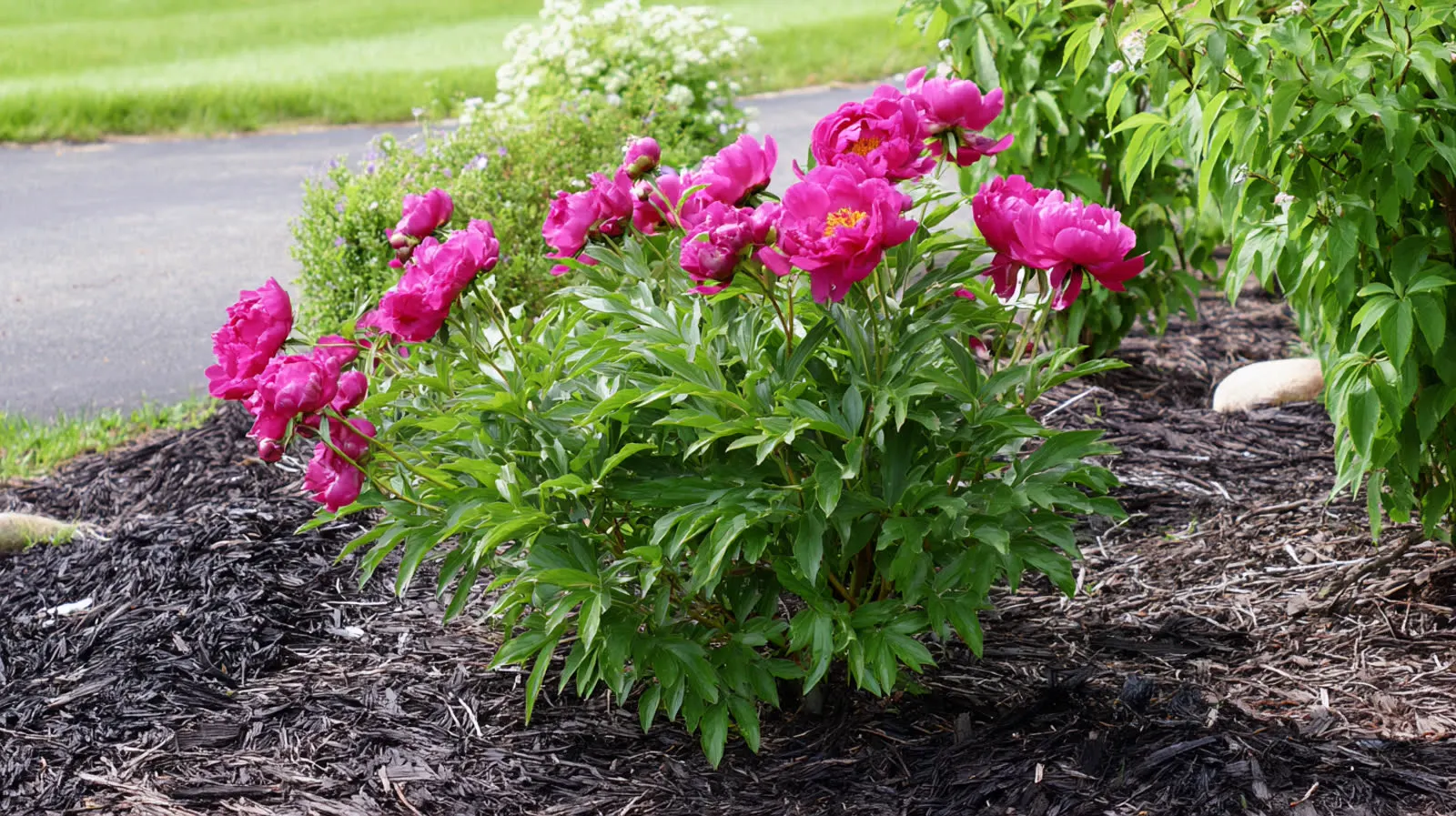
Colors: Pink, red, white, coral, yellow
Bloom Time: May - June
When to Plant: Fall (September-October)
Where to Plant: Full sun (6+ hours); rich, well-drained soil
Pricing: $$ - $$$
Long-lived perennials that can bloom for 50+ years, a true investment plant. Fragrant, luxurious blooms up to 8 inches across make stunning cut flowers. Plant with "eyes" (growth buds) just 1-2 inches below the soil surface; planting too deep prevents flowering. Install support rings early in spring before stems grow through. Ants visiting the buds are beneficial and help flowers open.
Pairs Well With: Bearded iris, catmint, alliums, roses, ornamental grasses
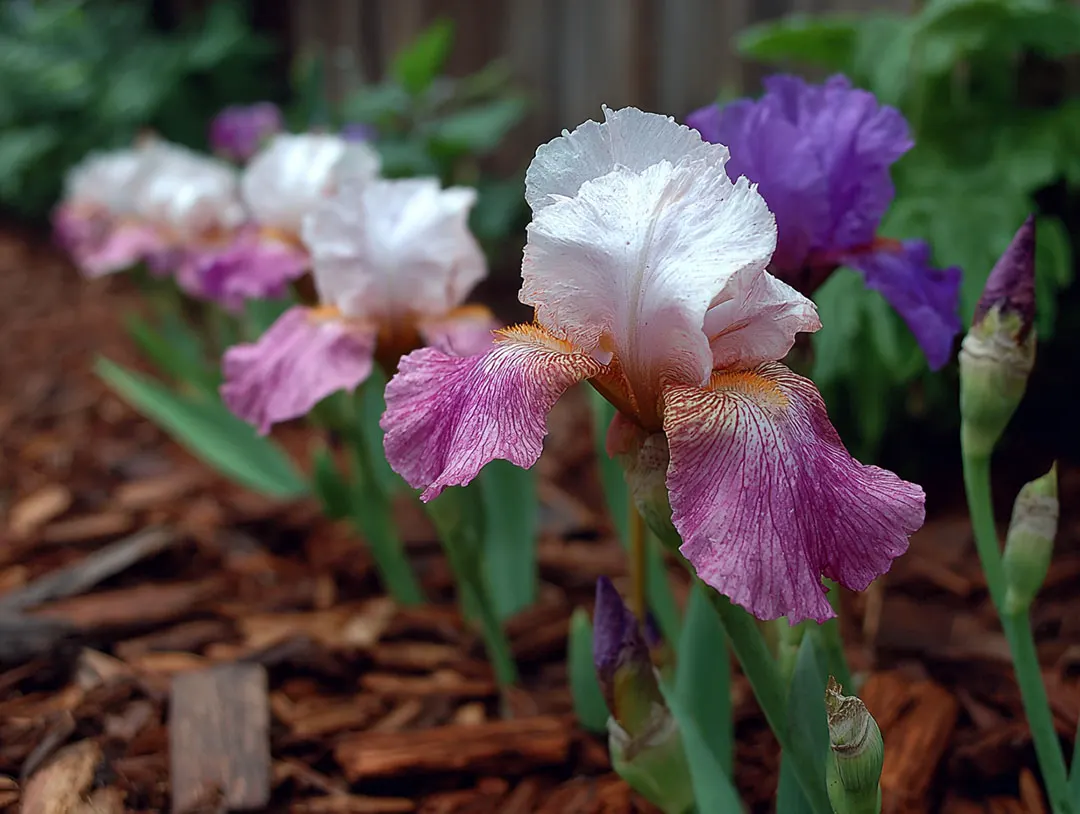
Colors: Every color imaginable, often bicolor or with contrasting "beards"
Bloom Time: May - June
When to Plant: Late summer to early fall (July-September)
Where to Plant: Full sun; well-drained soil
Pricing: $ - $$$
Dramatic sword-like foliage topped with ruffled, orchid-like blooms. Plant rhizomes shallowly with the top surface exposed to sun, burying them causes rot. Divide every 3-4 years when blooming decreases or clumps become crowded. Deer resistant and drought tolerant once established. Reblooming varieties extend the show into fall.
Pairs Well With: Peonies, catmint, salvia, ornamental grasses, alliums
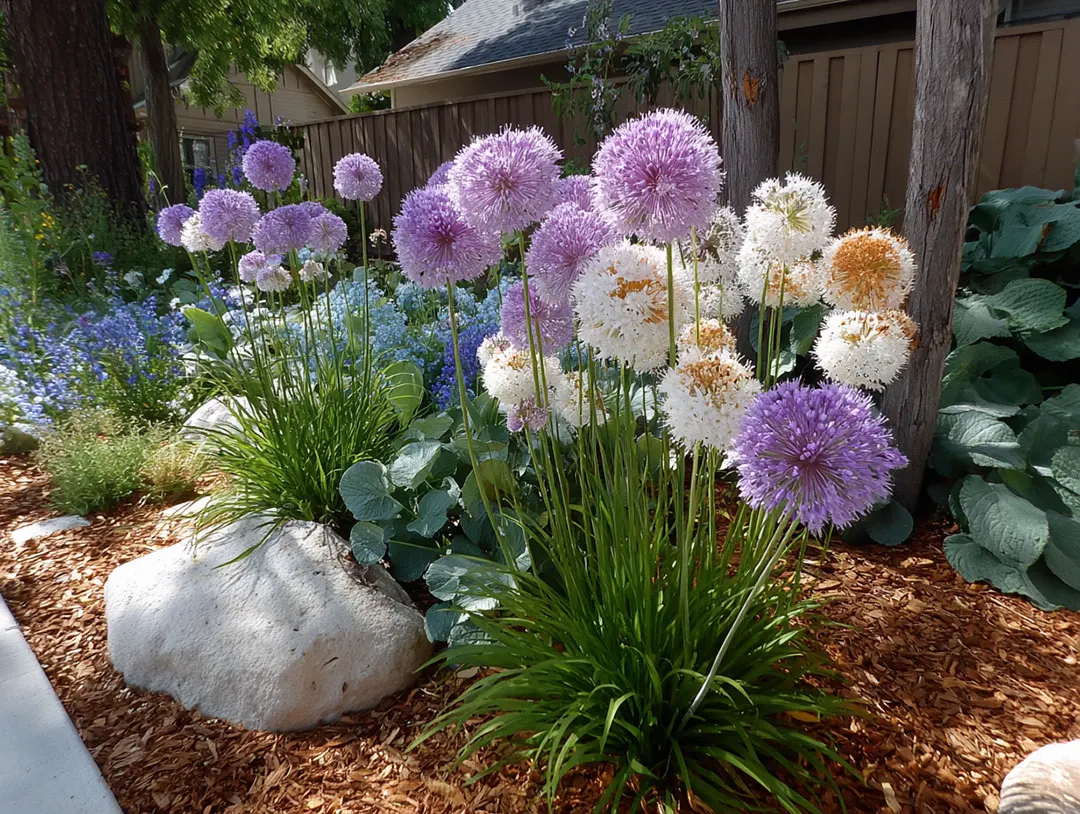
Colors: Purple, pink, white, blue, yellow
Bloom Time: May - June
When to Plant: Fall
Where to Plant: Full sun; well-drained soil
Pricing: $ - $$$
Architectural globe-shaped flowers on sturdy stems ranging from 6-inch 'Drumstick' to 4-foot 'Globemaster'. A bold vertical accent that bridges the gap between spring bulbs and summer perennials. Deer, rabbit, and rodent resistant due to their onion scent. Dried seed heads remain attractive through winter. Plant among perennials to camouflage the fading foliage.
Pairs Well With: Peonies, roses, ornamental grasses, salvia, catmint
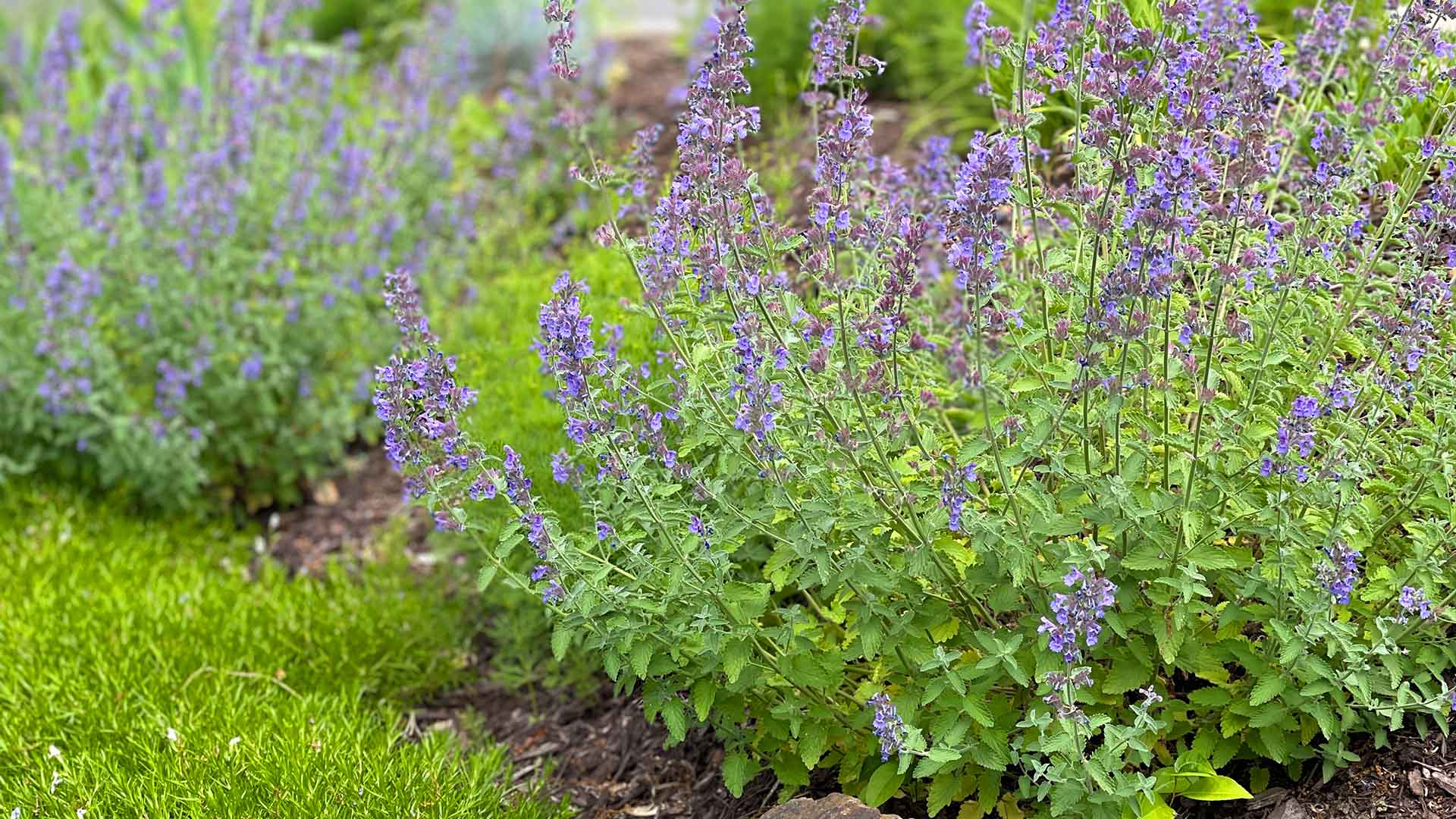
Colors: Lavender-blue, purple, pink, white
Bloom Time: May - September (with deadheading)
When to Plant: Spring or fall
Where to Plant: Full sun to partial shade; well-drained soil
Pricing: $
An aromatic, deer-resistant workhorse that blooms from late spring through fall with minimal care. Billowy spikes of flowers attract bees and butterflies while the gray-green foliage repels rabbits. Cut back by half after the first flush fades to encourage repeat blooming. Drought tolerant once established. 'Walker's Low' is a reliable cultivar for borders and mass plantings.
Pairs Well With: Roses, peonies, bearded iris, salvia, lavender
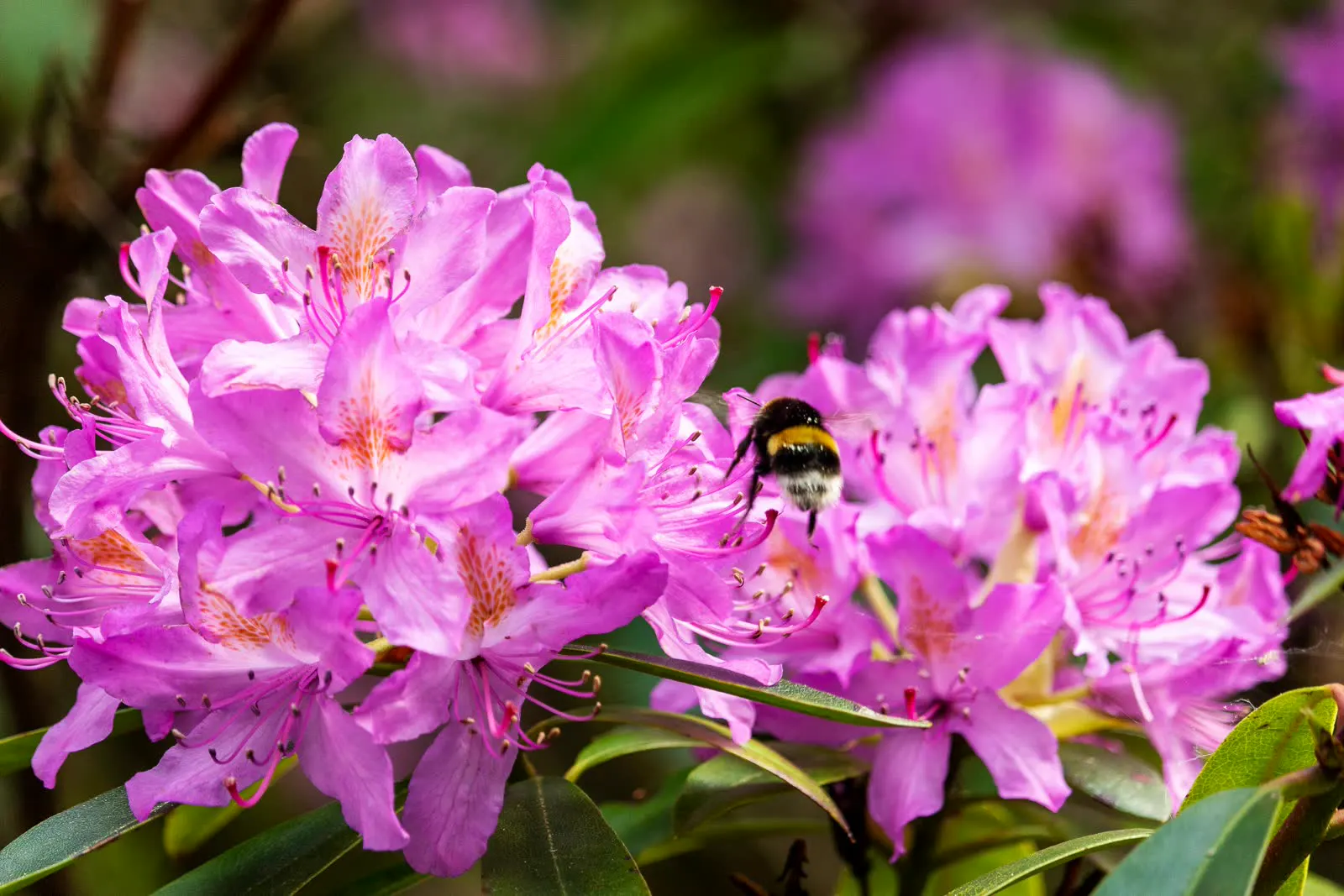
Colors: Pink, purple, red, white, yellow, orange
Bloom Time: May - June
When to Plant: Spring or fall
Where to Plant: Partial shade; acidic, moist, well-drained soil rich in organic matter
Pricing: $$ - $$$
Large evergreen shrubs valued for both their impressive flower clusters ("trusses") and year-round structure. Blooms range from softball-sized to grapefruit-sized depending on variety. Protect from drying winter winds and harsh afternoon sun. Shallow roots benefit from a 2-3 inch layer of organic mulch. Deadhead spent blooms to direct energy toward next year's flowers.
Pairs Well With: Azaleas, mountain laurel, ferns, hostas, hellebores
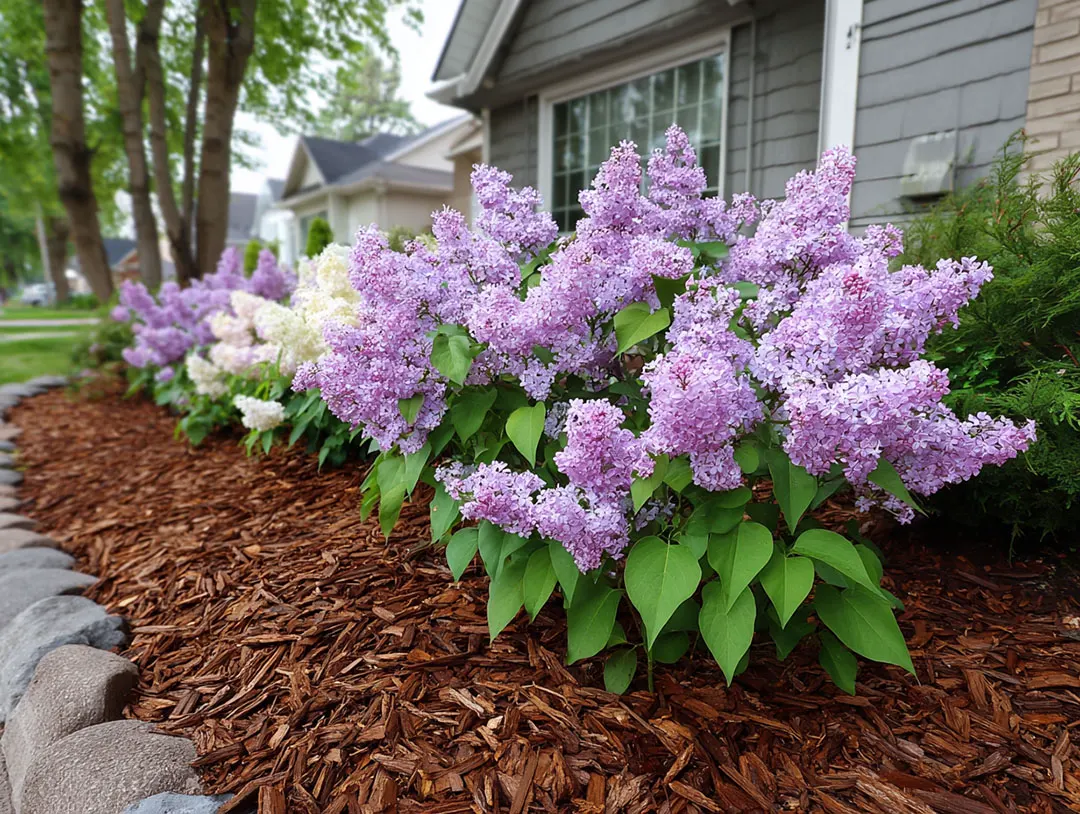
Colors: Purple, lavender, pink, white, burgundy, yellow
Bloom Time: May
When to Plant: Early spring or fall
Where to Plant: Full sun (6+ hours); neutral to slightly alkaline, well-drained soil
Pricing: $ - $$
Beloved for intensely fragrant flower clusters that perfume entire yards. A nostalgic favorite and excellent cut flower. Common lilac (S. vulgaris) blooms mid-spring; reblooming varieties like 'Bloomerang' extend the season into fall. Prune immediately after flowering and remove root suckers to maintain shape. Pittsburgh's cold winters provide the dormancy period lilacs require to bloom well.
Pairs Well With: Peonies, bearded iris, mock orange, viburnum, spiraea
Q&A Landscaping designs and installs custom spring gardens tailored to your property, from layered bulb plantings to flowering shrub borders. Whether you're looking for a low-maintenance display or a show-stopping focal point, we can help bring your vision to life.