
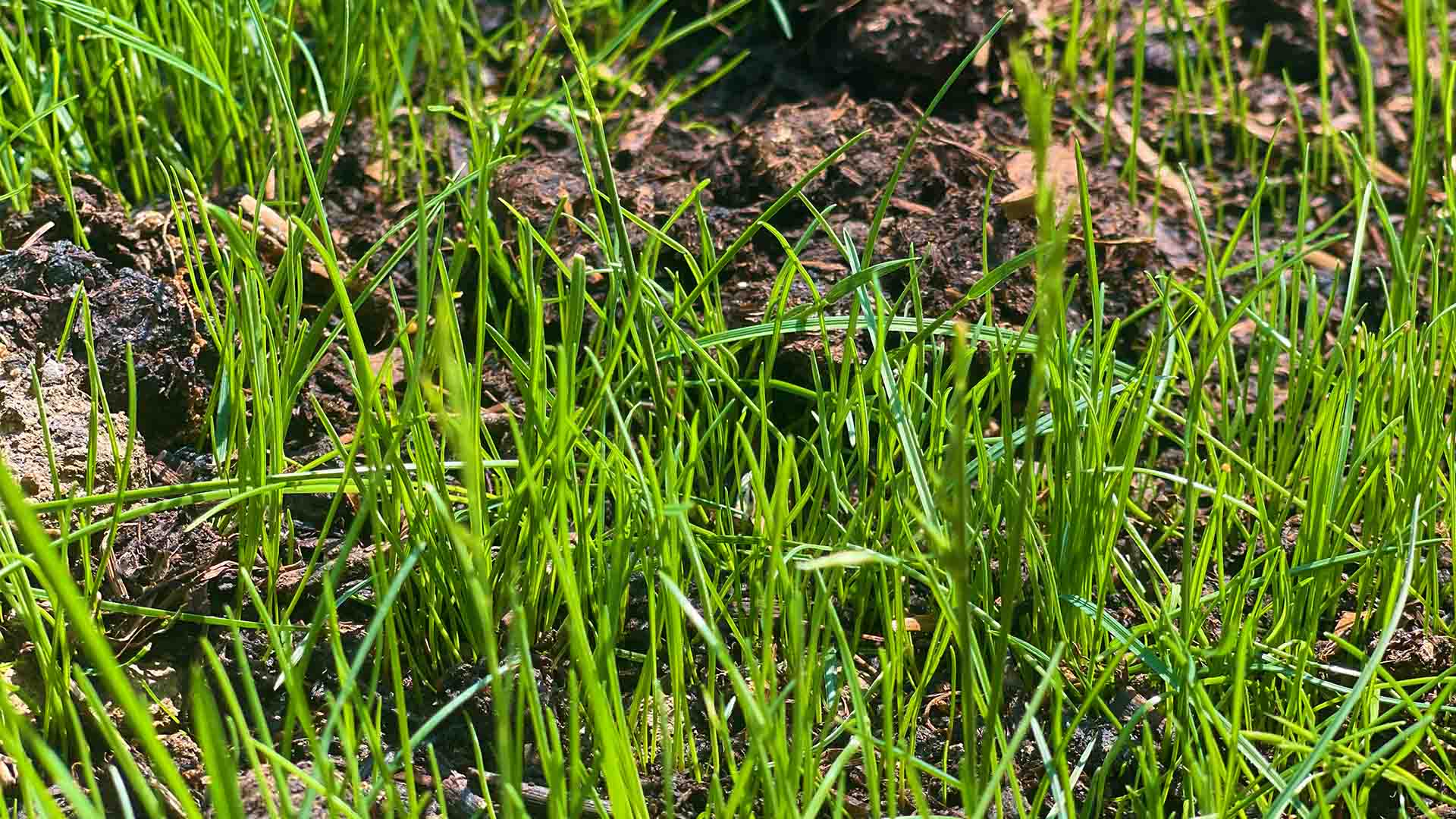
After a long Pittsburgh winter, your lawn needs some attention before it can thrive. The good news? A little effort now pays off all season long. Here's what you need to do to get your lawn in shape.
Start by walking your property and removing everything winter left behind: fallen branches, matted leaves, and any trash that blew in. Matted debris smothers grass and creates perfect conditions for fungal diseases. A thorough raking also helps break up any thatch buildup.
Look for these common winter lawn problems:
Mark problem areas so you know where to focus your efforts.

A light raking removes dead grass blades and lifts matted areas. If your lawn has more than a half-inch of thatch (the spongy layer between soil and grass blades), consider dethatching. Too much thatch prevents water, air, and nutrients from reaching the roots.
Early spring is a decent time to patch bare spots, though fall is ideal for major overseeding. For spring repairs:
Check out our watering guide for new grass for detailed instructions.
Wait until your lawn has been actively growing for a few weeks before fertilizing. Pushing growth too early can weaken the grass. In Pittsburgh, late April to early May is typically the right window for the first application.
If you have an irrigation system, run it through a test cycle before you need it. Look for broken heads, leaks, and coverage gaps. Adjust heads that are spraying sidewalks or driveways.
Spring is the time to think about what you want from your outdoor space this year. If your lawn needs more help than patching can provide, a full lawn renovation might be the answer.
Some lawn problems go beyond DIY fixes. If you're dealing with extensive bare areas, drainage issues, or a lawn that never seems to thrive no matter what you do, it might be time for professional assessment. Sometimes starting fresh with proper soil preparation and professional seeding is more effective than years of struggling with a problem lawn.
Learn about our lawn installation services or contact us for a free consultation.




From the blog
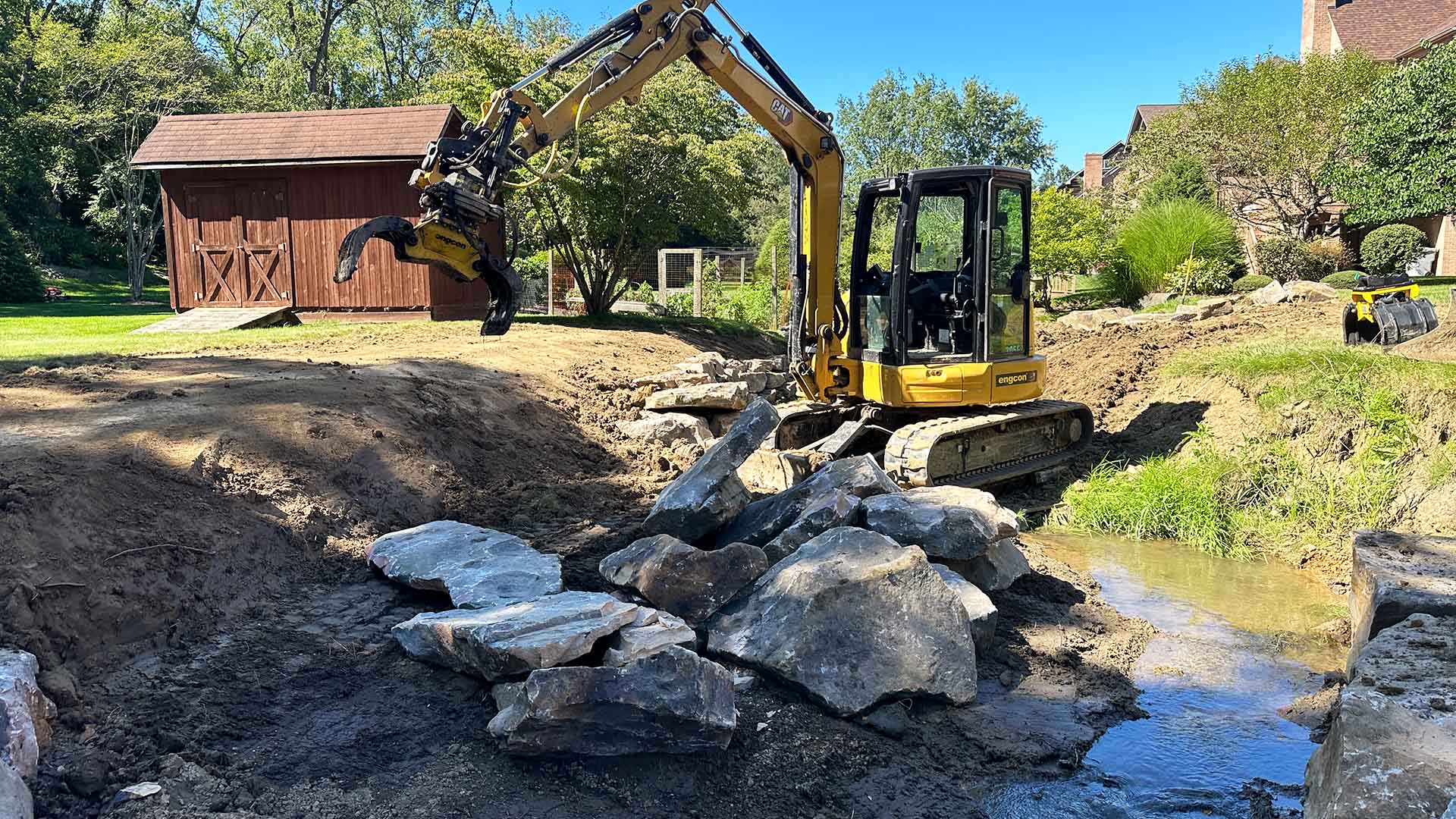 Hillside Landscaping: What Holds a Slope
Water, soil, and a good base decide whether a slope stays put. Here is how walls, boulders, and stone work on South Hills hillsides.
Read the article
 Protecting New Sod, Seed and Plantings Over Winter
What a new lawn and new plants need to get through their first Pittsburgh winter, and what to check when the ground thaws.
Read the article
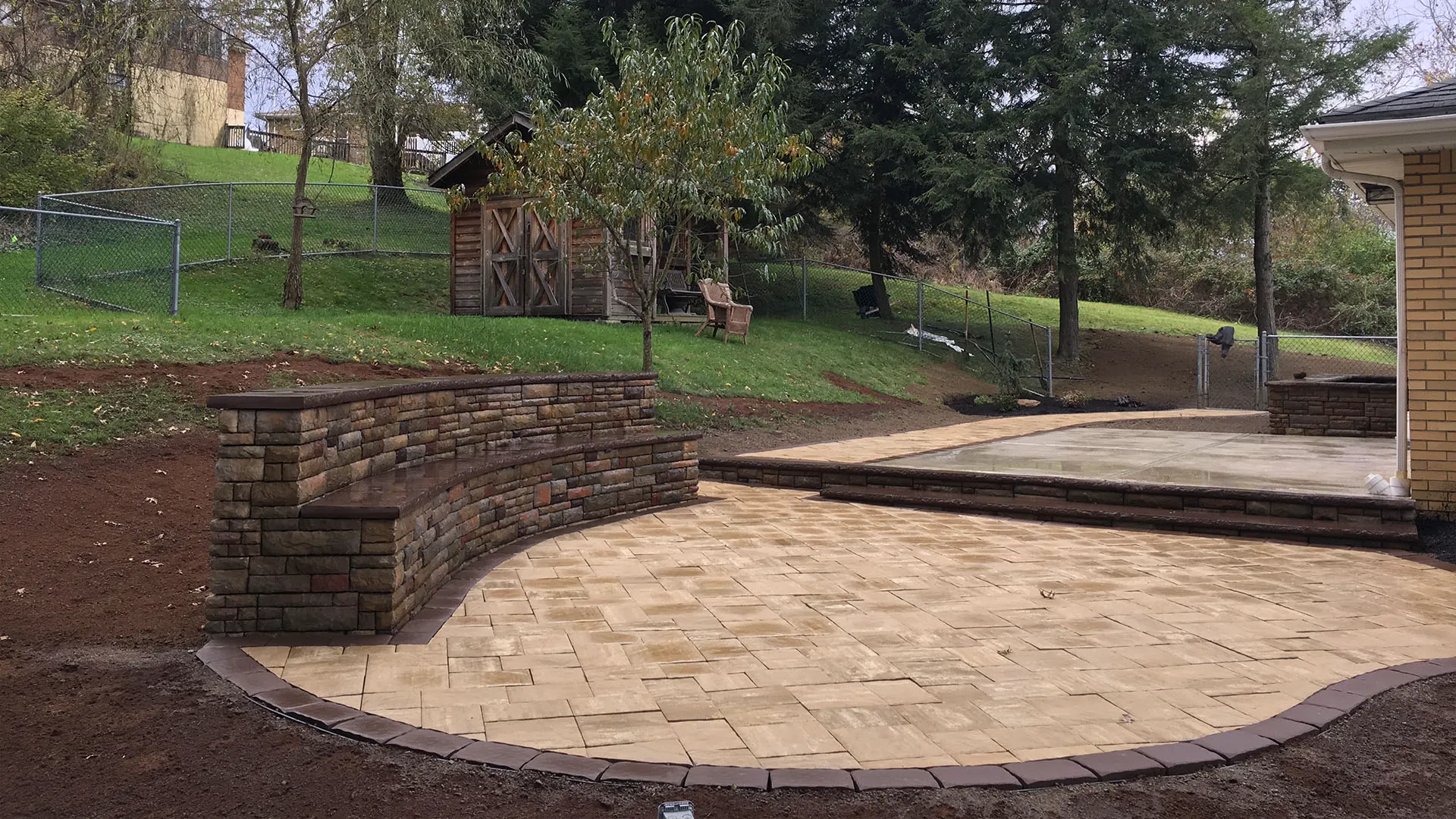 Rock Salt and Pavers: Winter Care
How salt, snow piles, and ice affect patios, walls, and steps in a Pittsburgh winter, and what to do instead.
Read the article
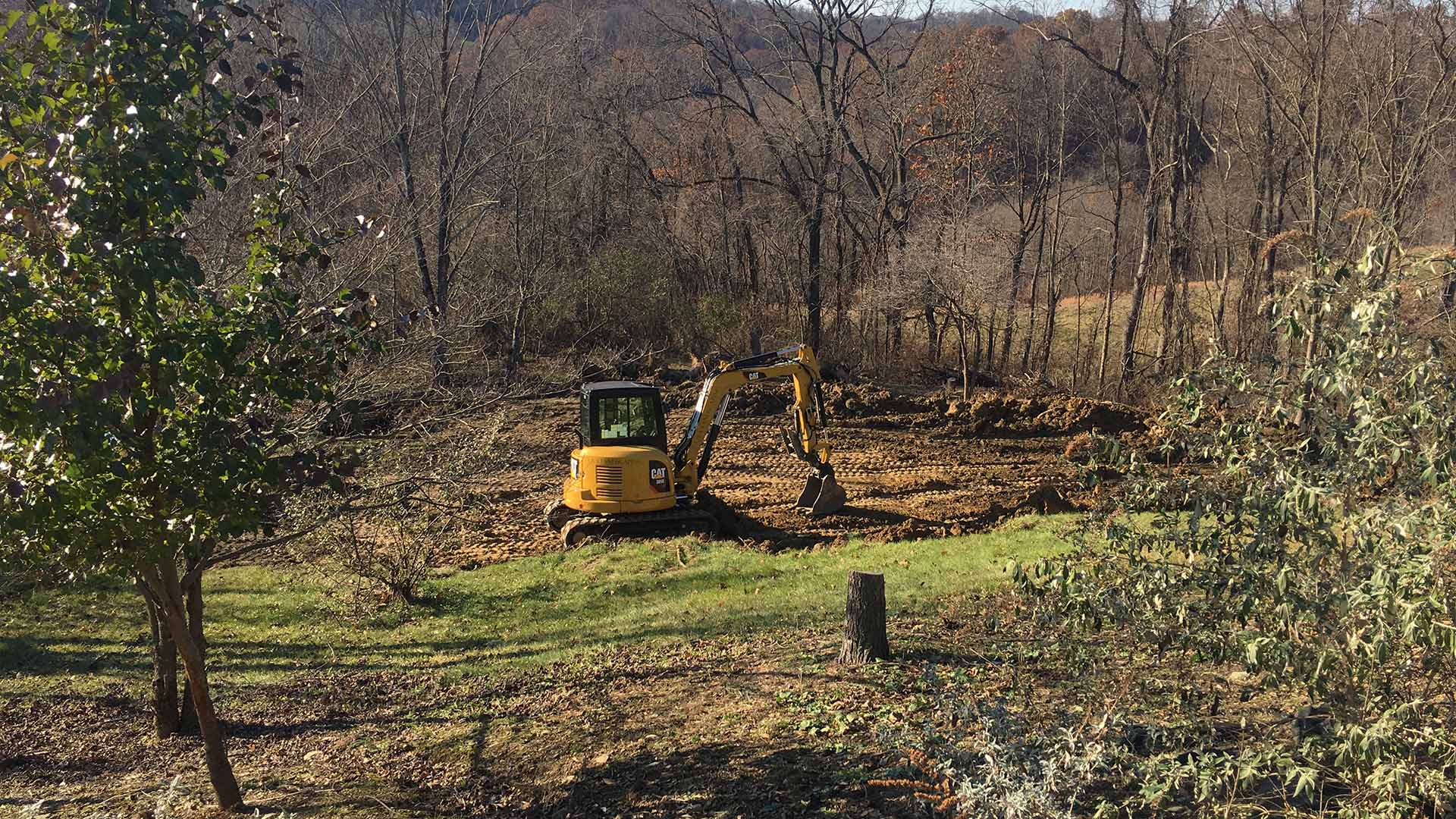 Six Signs Your Yard Needs Drainage Work
Standing water and soft ground are the early ones. Here are six signs to watch for on a South Hills property, and what to do about them.
Read the article
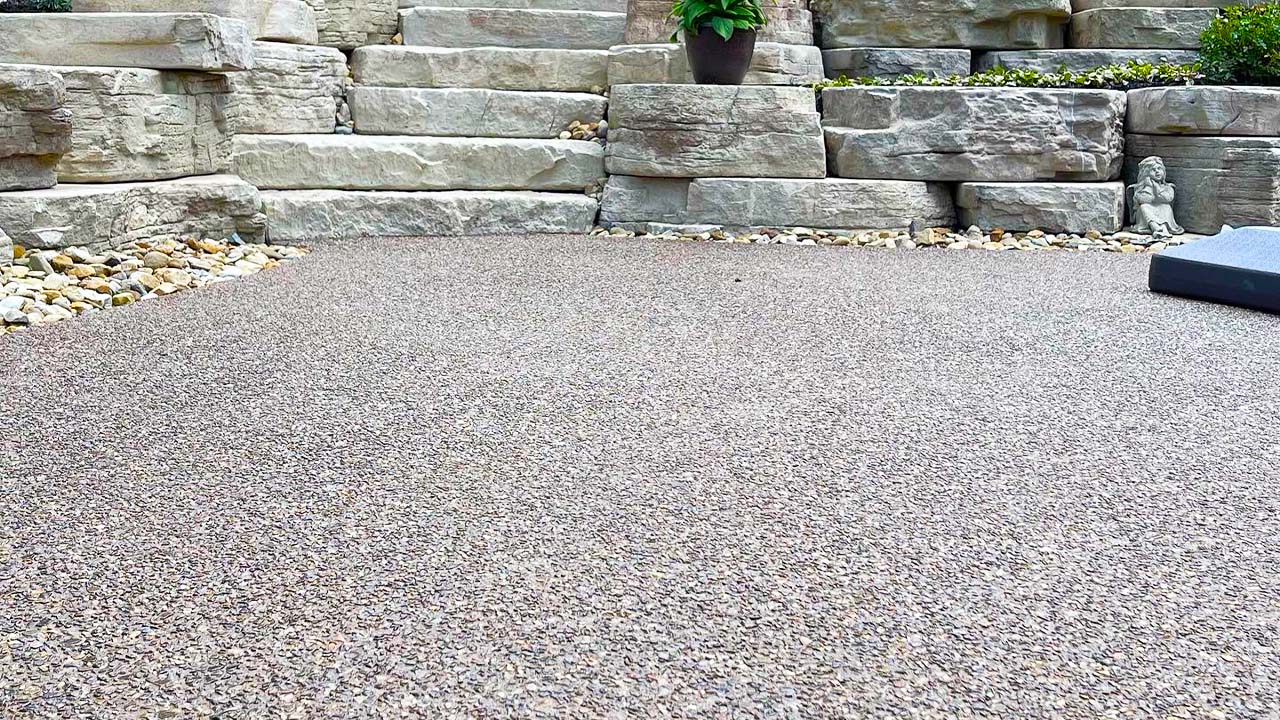 Pavers, Exposed Aggregate, or Stamped Concrete
Three good patio surfaces, and Pittsburgh winters treat them differently. Here is how they compare on freeze-thaw, repair, look, and price.
Read the article
 Commercial Snow Removal in Pittsburgh
What a commercial snow plan covers for the 2026 to 2027 season, how our list works, and why the time to book is before the first storm.
Read the article
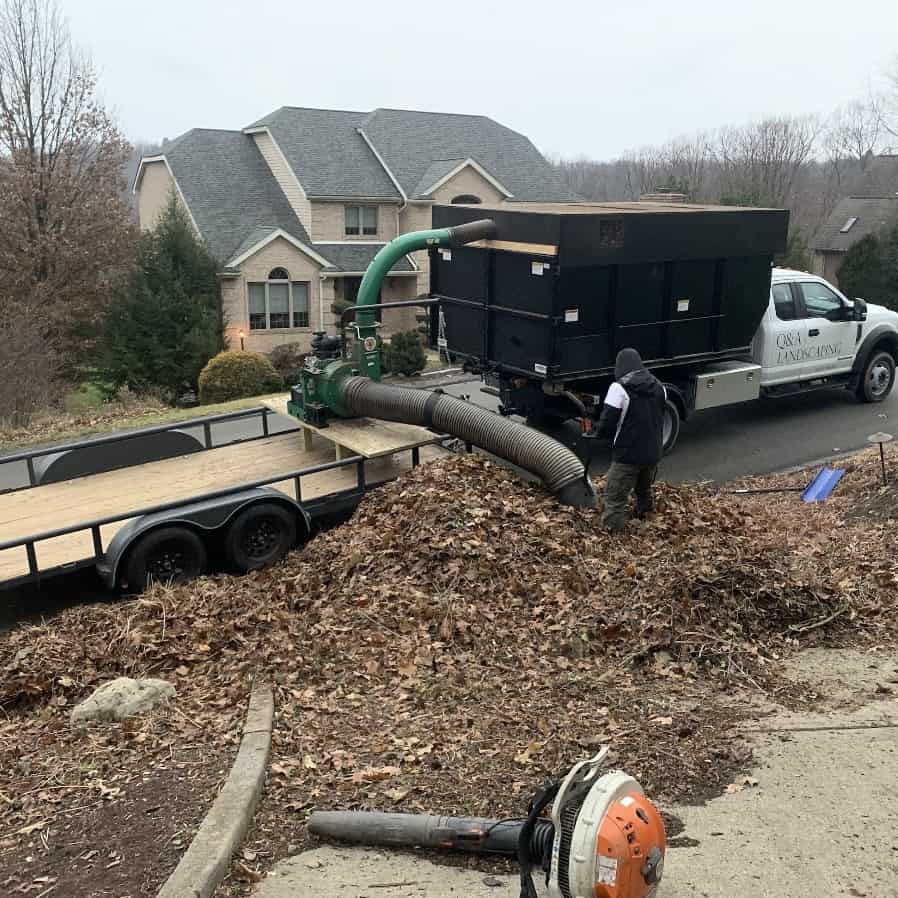 Fall Cleanup Checklist
A simple, step-by-step list for preparing your yard before winter arrives.
Read the article
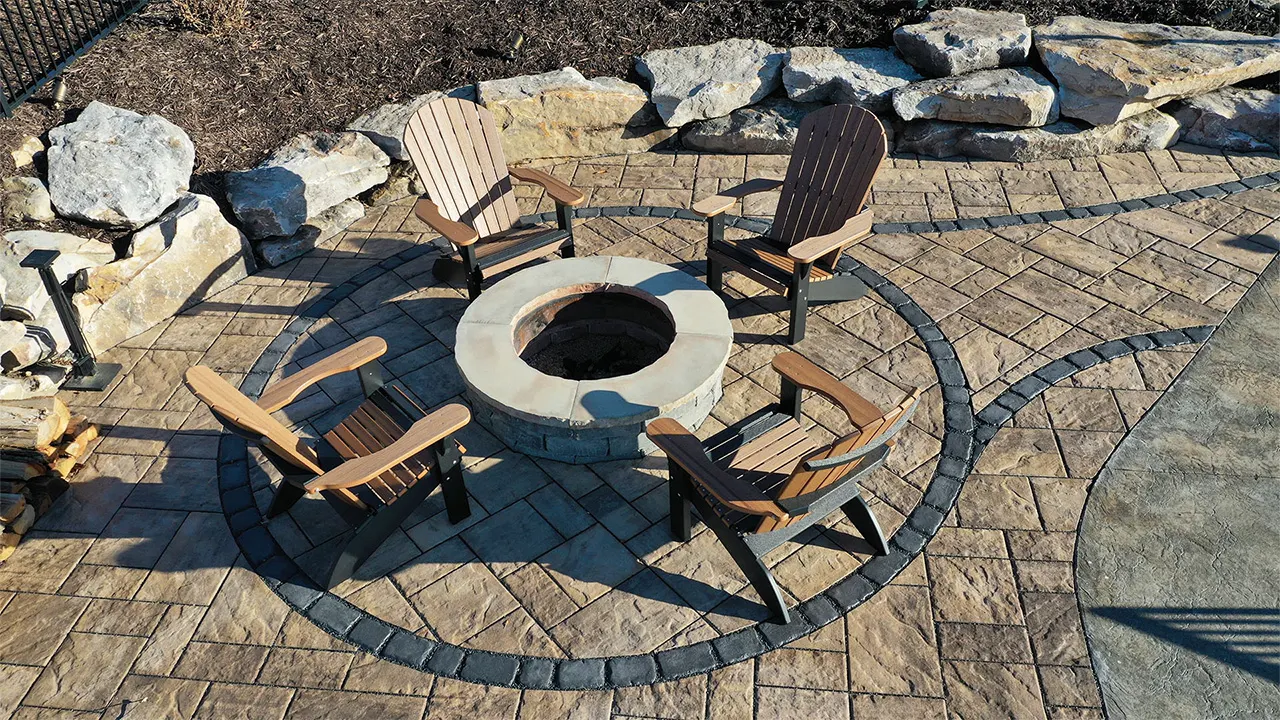 Book a Spring Patio or Wall Over the Winter
The spring schedule fills early. A winter site visit and estimate gets you a spot on it and leaves the decisions made before the ground thaws.
Read the article