When to Start Planting in Pittsburgh
Pittsburgh sits in USDA Hardiness Zone 6b. Our last frost date typically falls in mid-April to early May, which means spring planting can begin as early as late March for cold-hardy species and continues through June for most plants. Fall is the other good planting season: see when it is too late to plant trees and shrubs.
Early Spring (March - Early April)
Before the last frost, you can plant:
- Trees and shrubs - Dormant bare-root and container stock
- Cold-hardy perennials - Hostas, daylilies, ornamental grasses
- Early bloomers - Virginia bluebells, phlox
Mid-Spring (Late April - May)
After the last frost risk passes:
- Flowering perennials - Black-eyed Susans, coneflowers, bee balm
- Native shrubs - Hydrangea, Virginia sweetspire, summersweet
- Ornamental trees - Flowering dogwood, Eastern redbud
Late Spring (June)
The window for establishing plants before summer heat:
- Heat-tolerant perennials - Butterfly milkweed, marsh blazing star
- Ground covers - For filling in beds
Why Native Plants?
Native plants are adapted to Pittsburgh's climate and soil. They require less water, less maintenance, and support local pollinators and wildlife. Some of our favorites for Pittsburgh landscapes:
For Sun
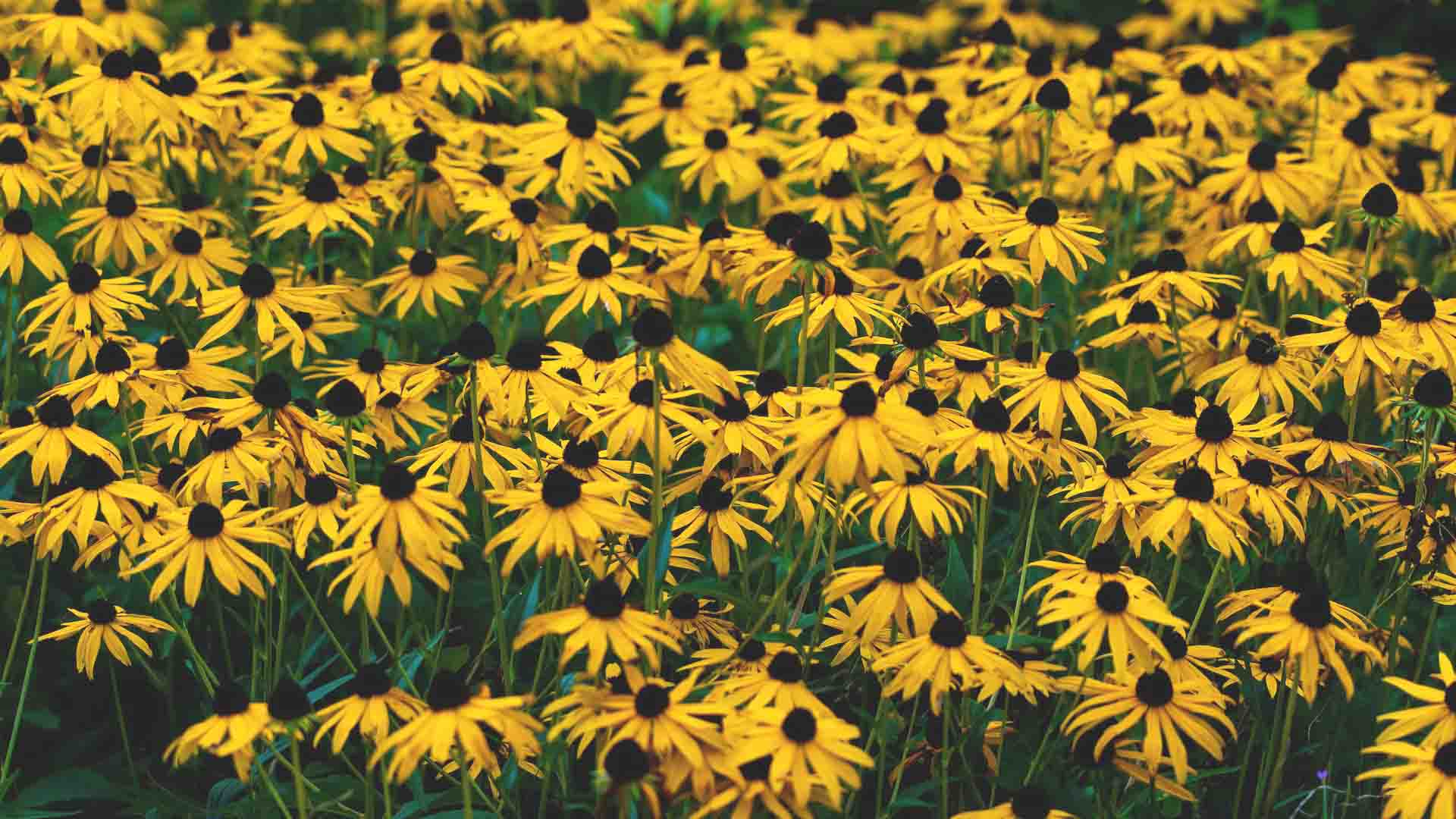
- Black-eyed Susan - Blooms mid-summer through fall, virtually no care needed
- Butterfly milkweed - Bright orange flowers, attracts monarchs
- Bee balm - Red tubular flowers, loves pollinators
For Shade
- Virginia bluebells - Early spring bloomer, blue-pink clusters
- Wild blue phlox - Late spring, pours beautifully over walls
- Cardinal flower - Bright red, thrives in moist areas
Native Shrubs
- Mountain Laurel - PA state flower, blooms May-July
- Arrowwood Viburnum - White flowers, fall color, berries for birds
- Red Twig Dogwood - Striking red stems in winter
Planting Tips for Success
Site Assessment
Before buying plants, understand your site:
- Sun exposure - Full sun (6+ hours), partial shade (3-6 hours), or full shade
- Soil drainage - Does water pool after rain or drain quickly?
- Soil type - Clay-heavy (common in Pittsburgh) or well-drained
Proper Planting Technique
The number one mistake: planting too deep. The root flare should be visible at soil level, not buried.
- Dig hole 2-3x wider than root ball
- Set plant so root flare is at grade
- Backfill with native soil (skip the amendments)
- Water deeply and mulch 2-3 inches (keep mulch away from trunk)
Watering New Plants
New plantings need consistent moisture to establish roots. Water deeply 2-3 times per week for the first growing season, more during hot spells. Check our watering guide for detailed schedules.
Professional Installation
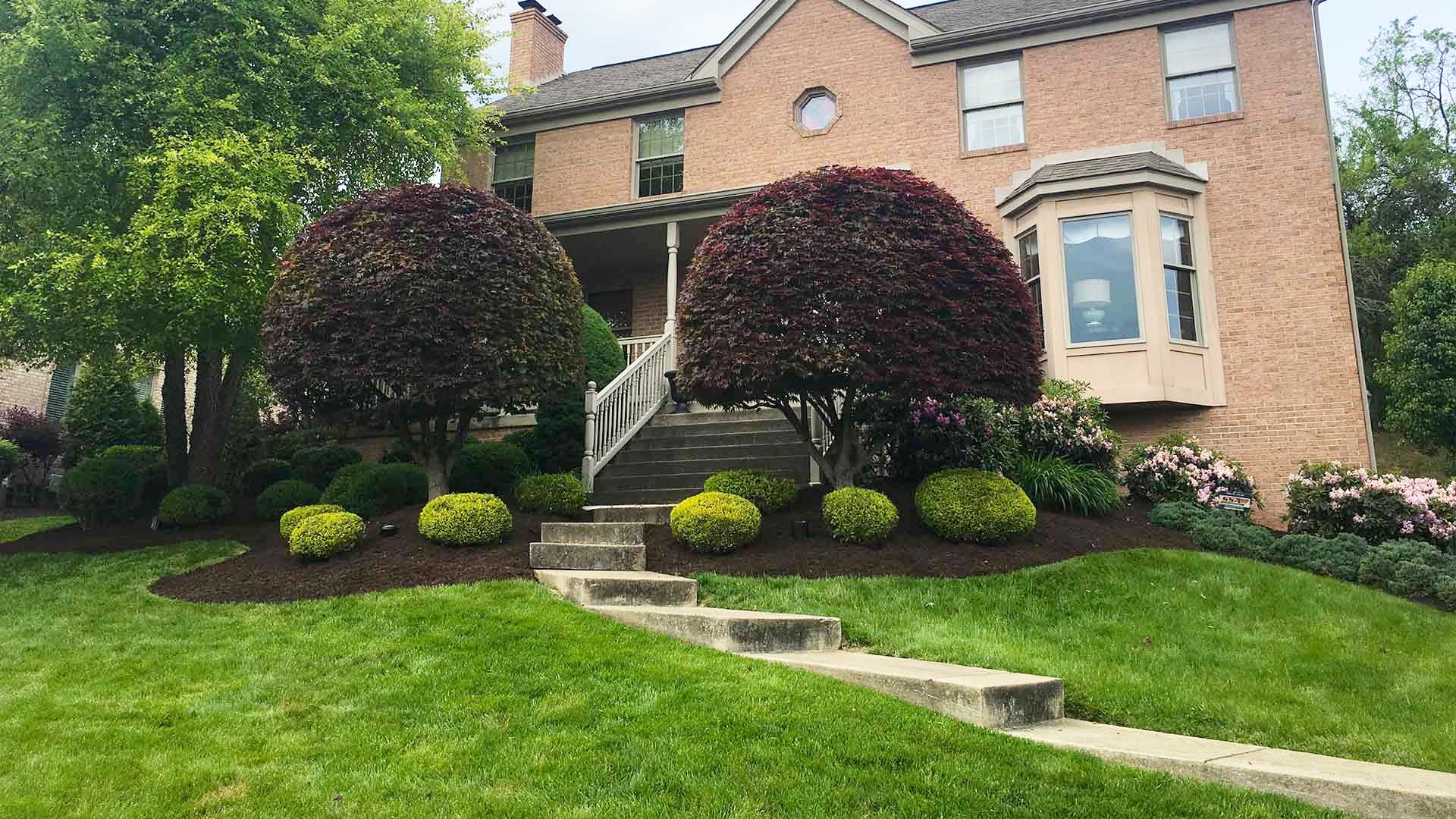
Large plantings, tree installation, or full landscape renovations benefit from professional help. We handle everything from design to installation, ensuring plants are properly sited and installed for long-term success.
Learn about our plant installation services or check out our complete guide to native plants for more species recommendations.