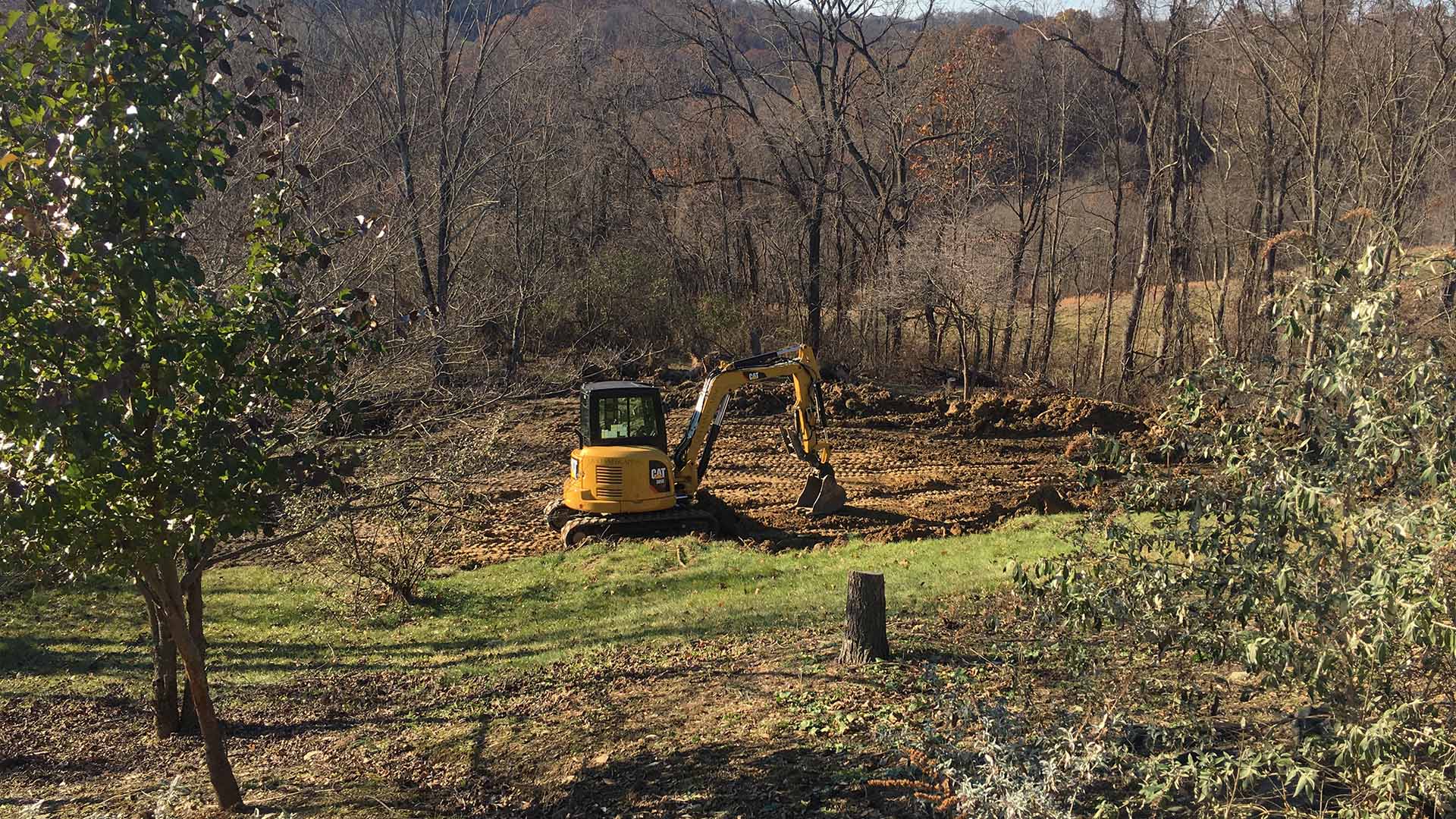
Excavation and grading are the least glamorous part of a landscape project and, more often than not, the part that decides whether everything built on top of it lasts. Get the ground right and a patio stays level, a wall stays plumb, and water runs away from the house the way it should. Get it wrong and no amount of nice plantings will save the yard. In a place like Pittsburgh, where hillside lots, heavy clay soil, and steady freeze-thaw all conspire against a flat, dry yard, knowing when you need this work is half the battle. Here is a straight look at the signs that a South Hills yard needs excavation or grading, what the work involves, and when a job is big enough to bring in a dedicated specialist.
Grading is the shaping of the ground so it sheds water and sits at the right level. Most homeowners do not go looking for it. They notice a symptom and trace it back to the dirt. The common warning signs we get called about:
Any one of these is worth a look. Two or three together usually means the yard needs to be regraded before you invest in anything you want to keep.
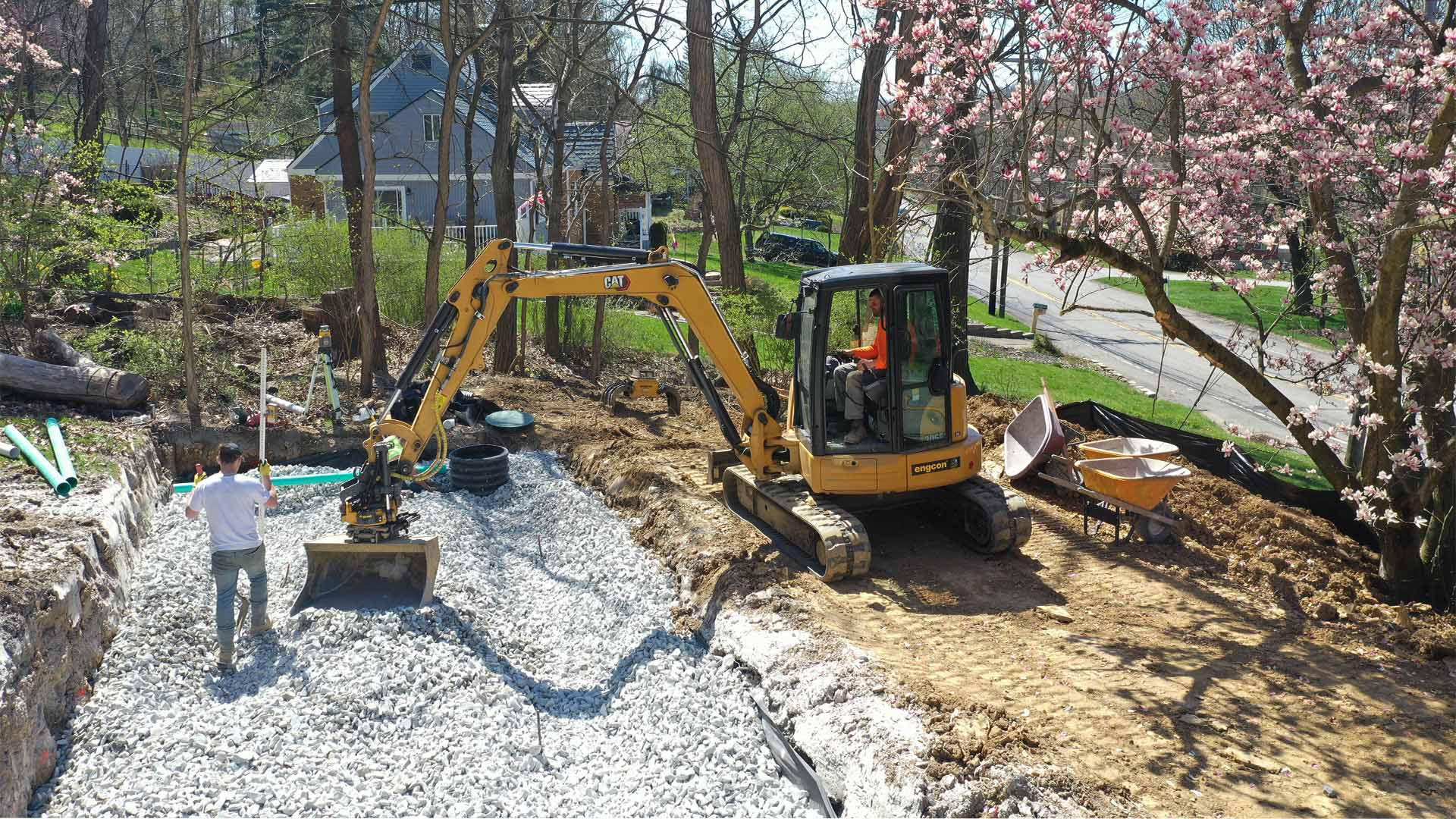
The two words get used together so often that they blur, but they describe different work:
Most real projects need both. You excavate to create space or remove material, then grade what is left so it sheds water and sits where the design wants it. On our excavation and grading service page you can see the range of what that covers, from reshaping a whole backyard to prepping a single patio pad.
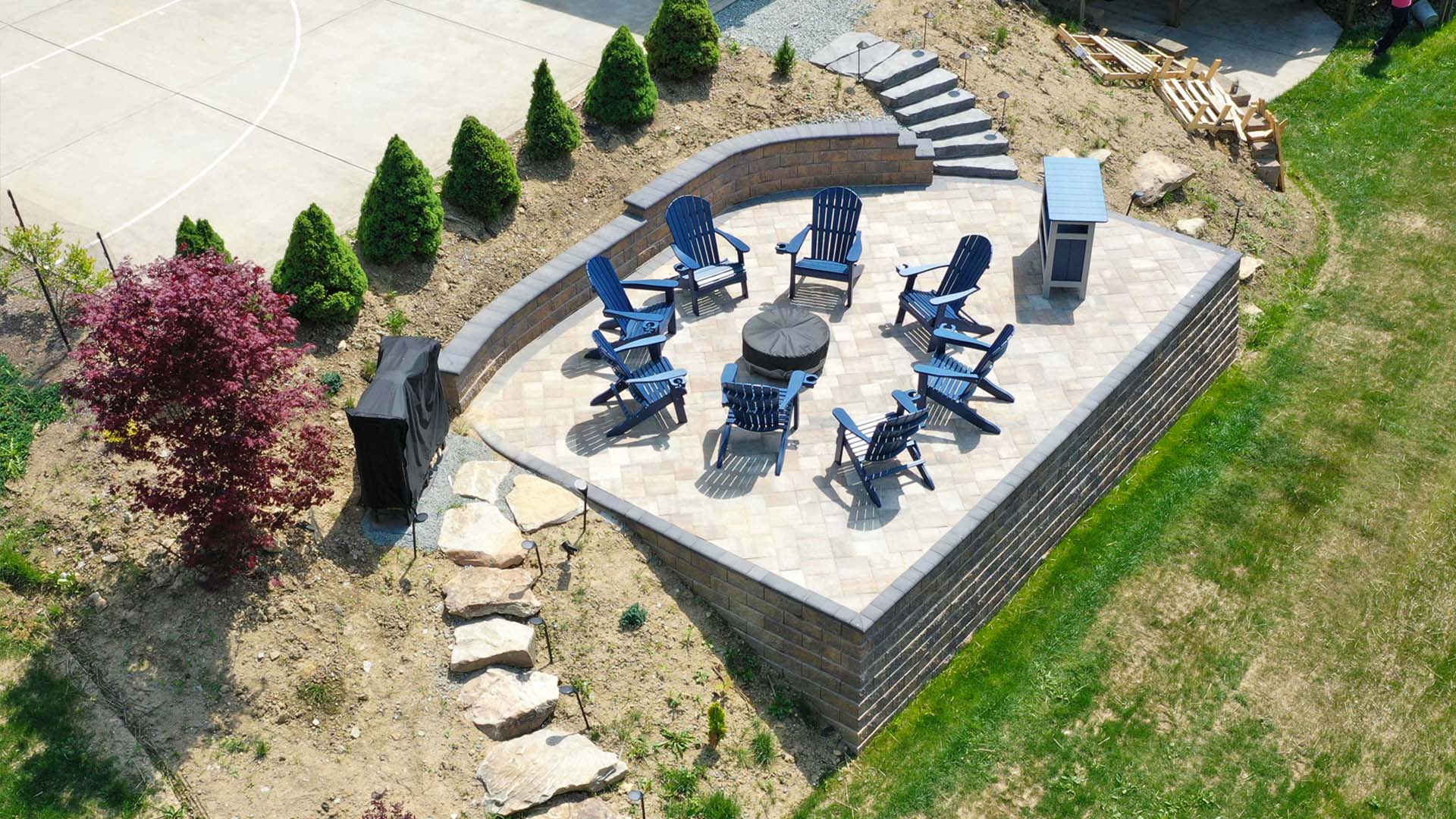
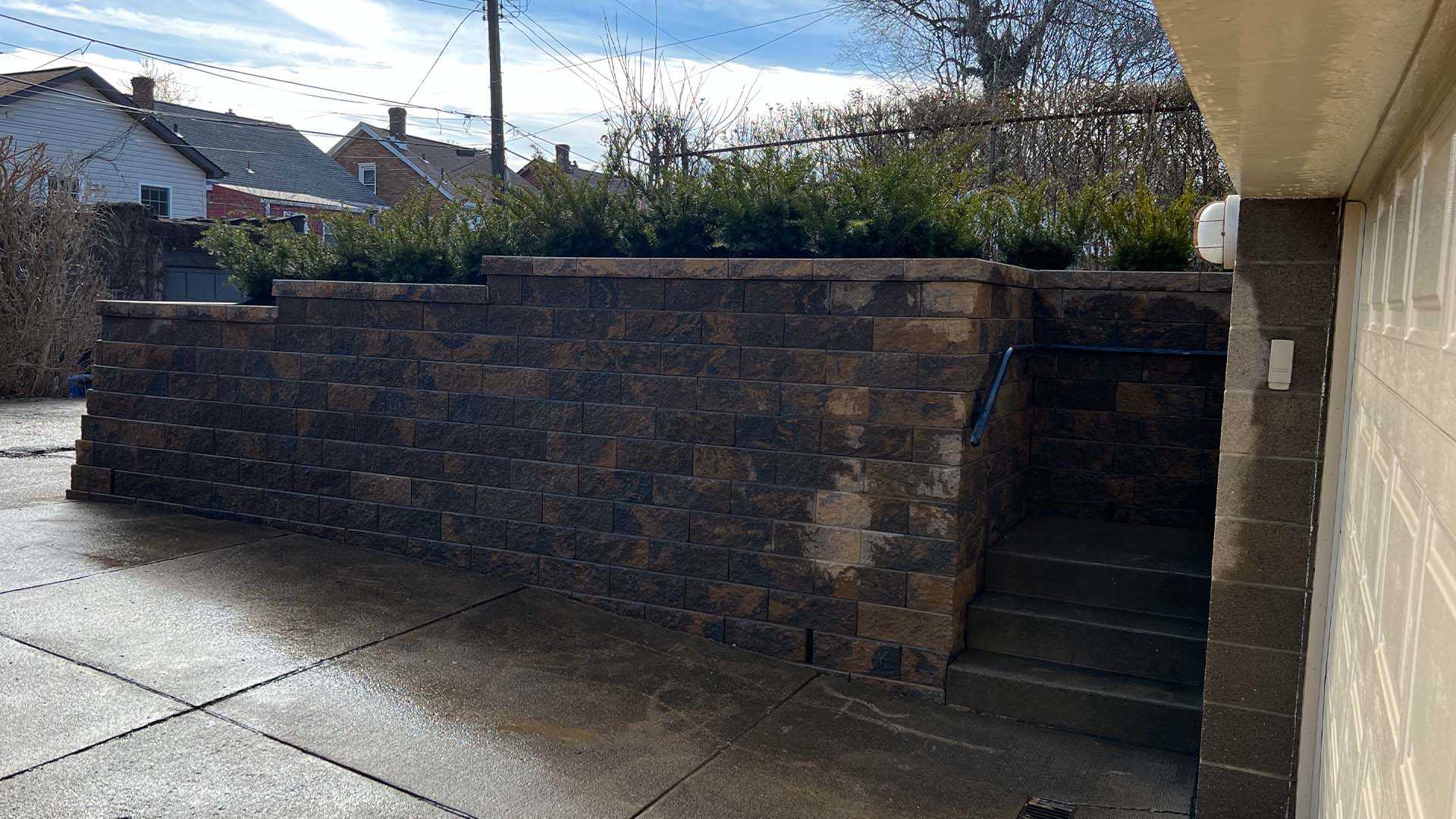
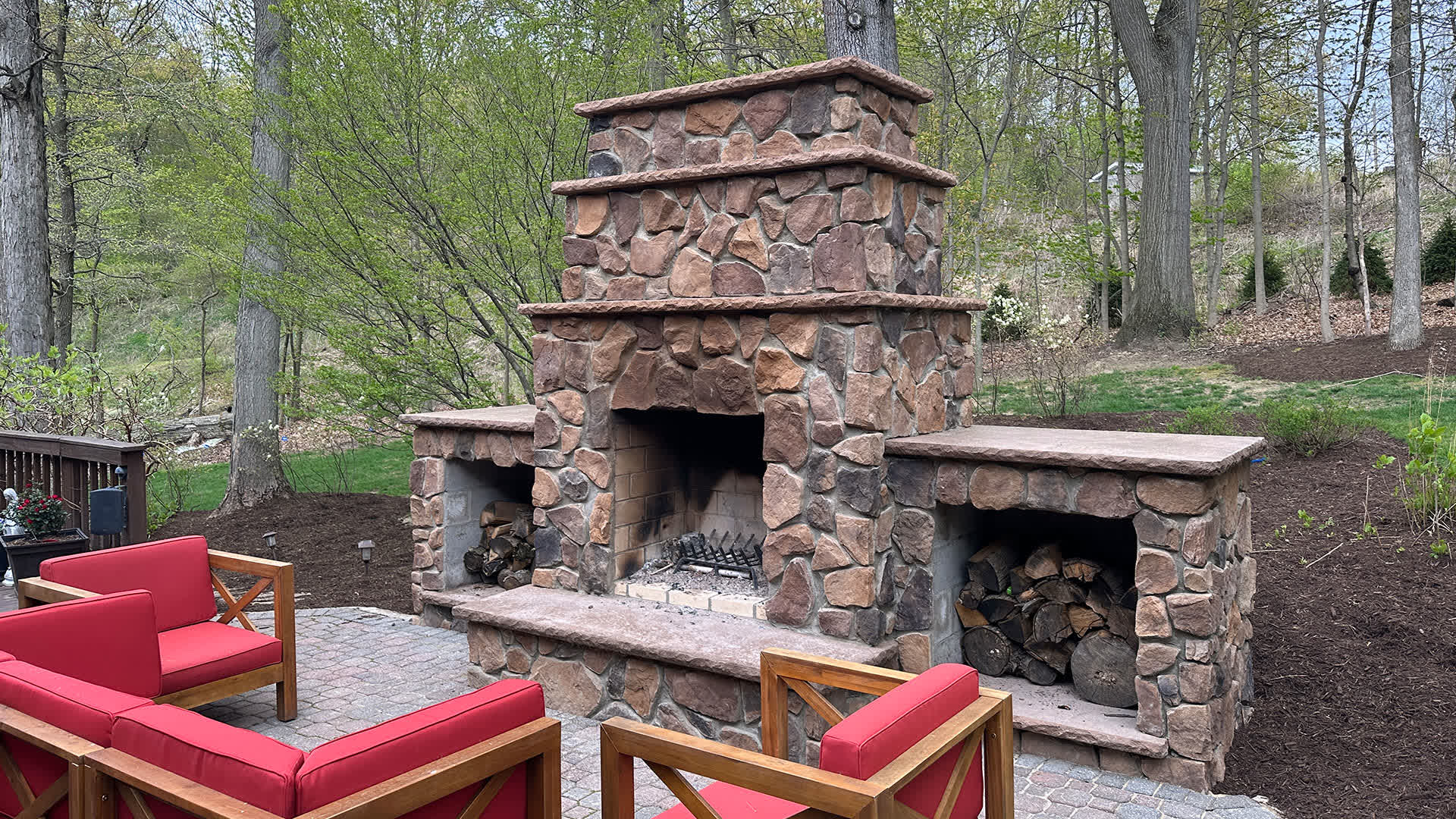
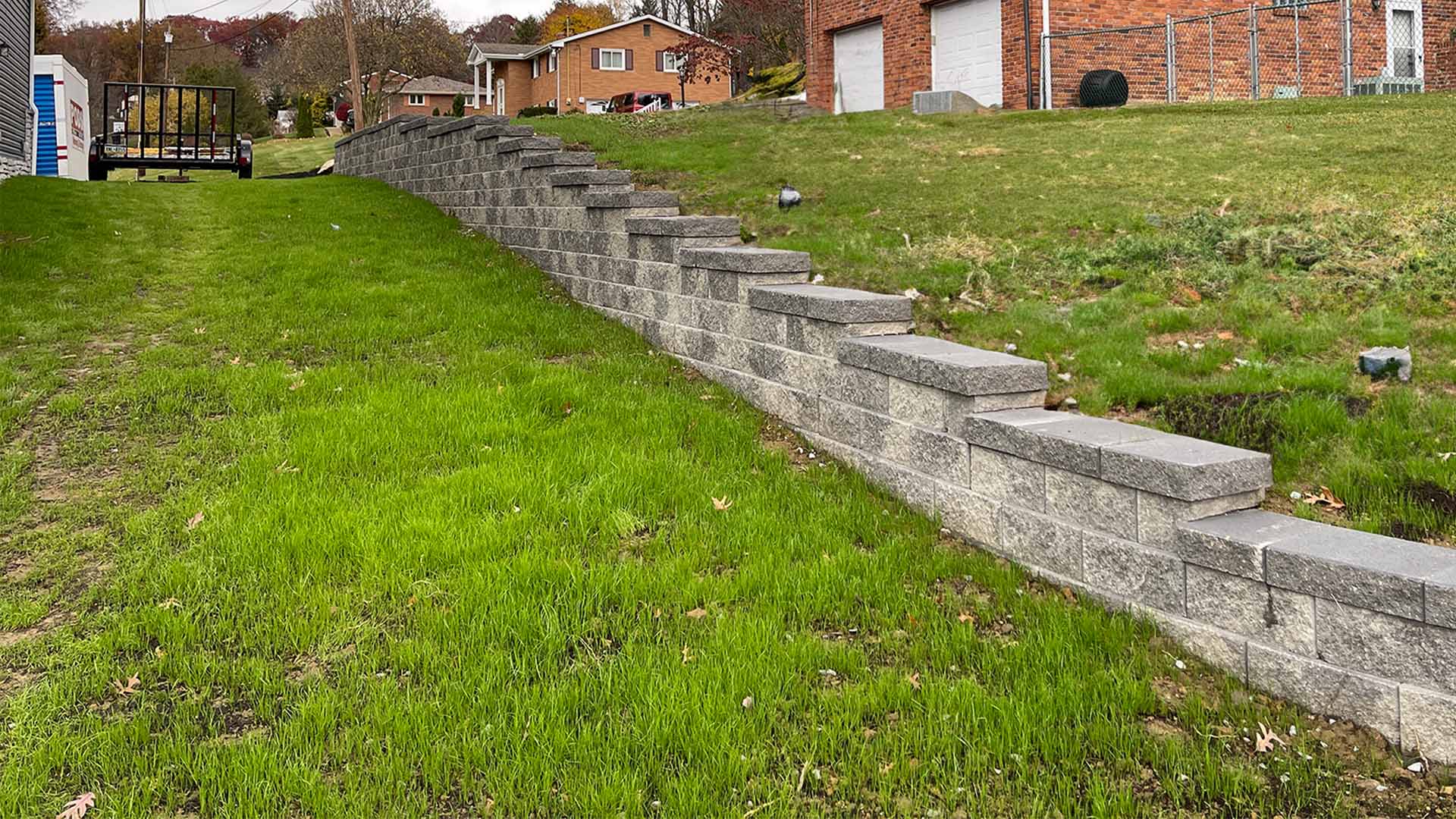
Even when nobody set out to hire an excavator, a lot of popular projects need one before the visible work starts. The dig is what makes the finished piece last:
Grading and drainage go hand in hand. Reshaping the surface so water runs the right way solves a lot on its own, but Pittsburgh's clay soil and heavy storms often mean the yard also needs a way to carry water off underground. That is where a buried drainage line comes in, moving water from the low spot to a safe outlet instead of letting it sit. If your yard shows the wet-basement or soggy-lawn signs above, the fix is frequently a combination of regrading the surface and installing a drain. Our guide on whether you need a French drain walks through how to tell, and what a proper installation involves.
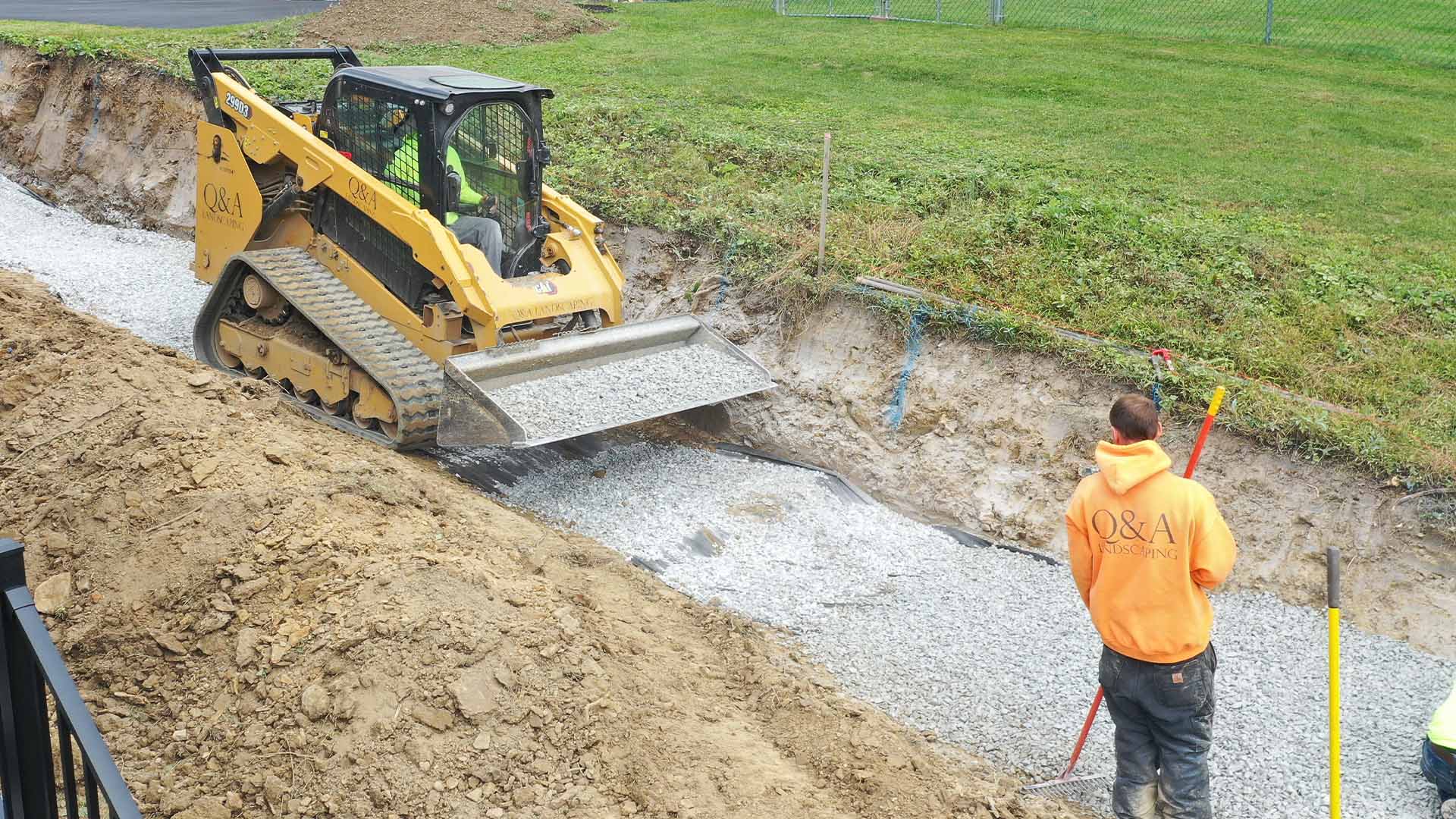
A grading or excavation job follows a fairly consistent arc, whatever the scale:
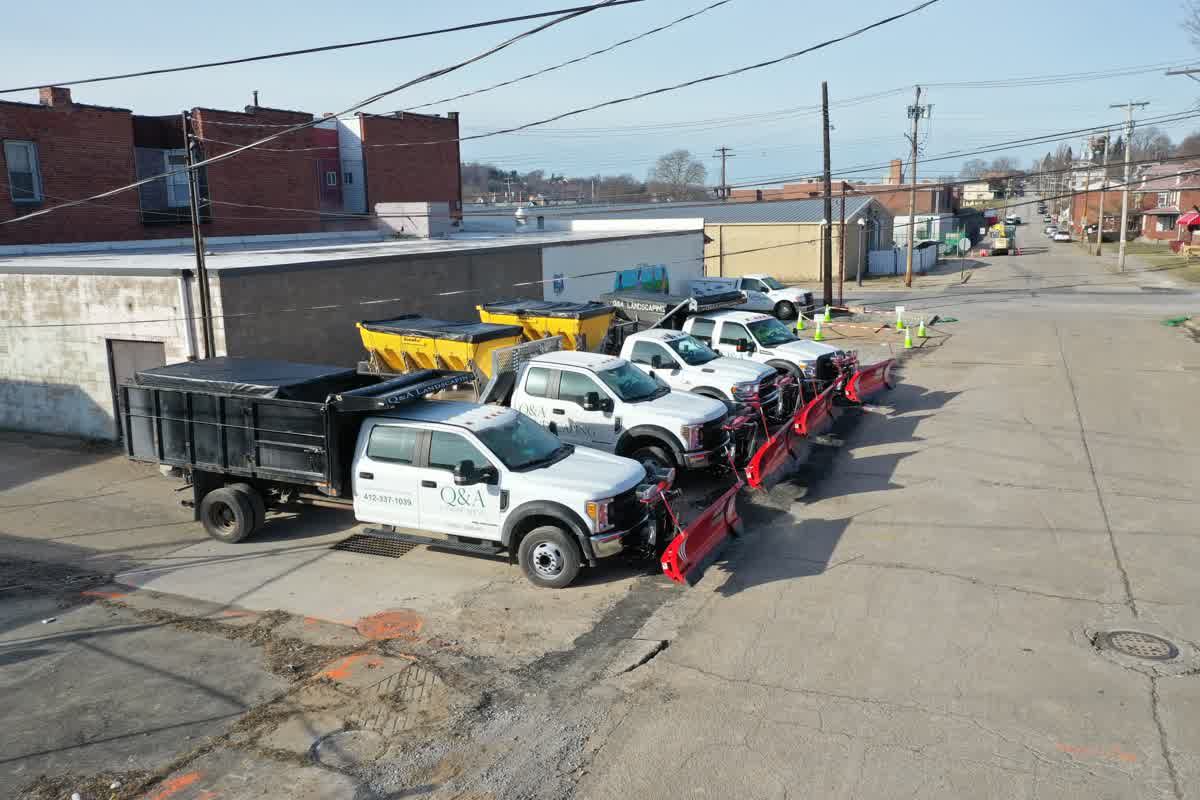
The scale of the equipment is what separates a light grading job from a heavy dig, and it is also what tells you who should be running it.
Q&A Landscaping handles the excavation and grading that goes with our landscape and hardscape work: patio bases, wall footings, drainage trenches, and reshaping a yard so it drains and sits right. Some jobs, though, are bigger than a landscape dig. Deep foundation work, large-volume cut and fill, extensive land clearing, long utility runs, and heavy hauling are their own trade, with bigger machines and different logistics than a planting-and-patio project needs.
For that heavier end of the work in the Pittsburgh area, we point homeowners to Dirt Works, a regional excavation and grading specialist that takes on the large-scale digging, site prep, and earthmoving that sits outside a landscape crew's lane. Matching the size of the job to the right specialist keeps the work efficient and the site safe, and it means the grading is done correctly before any of the finish landscaping goes on top.
Excavation and grading are the foundation every good yard is built on, and they are the easiest thing to skip and the most expensive thing to fix after the fact. If your Pittsburgh yard is showing any of the warning signs above, or you are planning a patio, wall, or drainage project and want the base done right, reach out through our contact page. We can walk the property, read how water moves across it, and put together a plan that gets the ground right before anything is built on top of it.