Our freeze-thaw cycles are brutal on outdoor structures. Water seeps into cracks, freezes, expands, and slowly pushes things apart. A small issue in fall can become a major problem by spring. Here's how to assess your retaining walls and patios for winter damage.
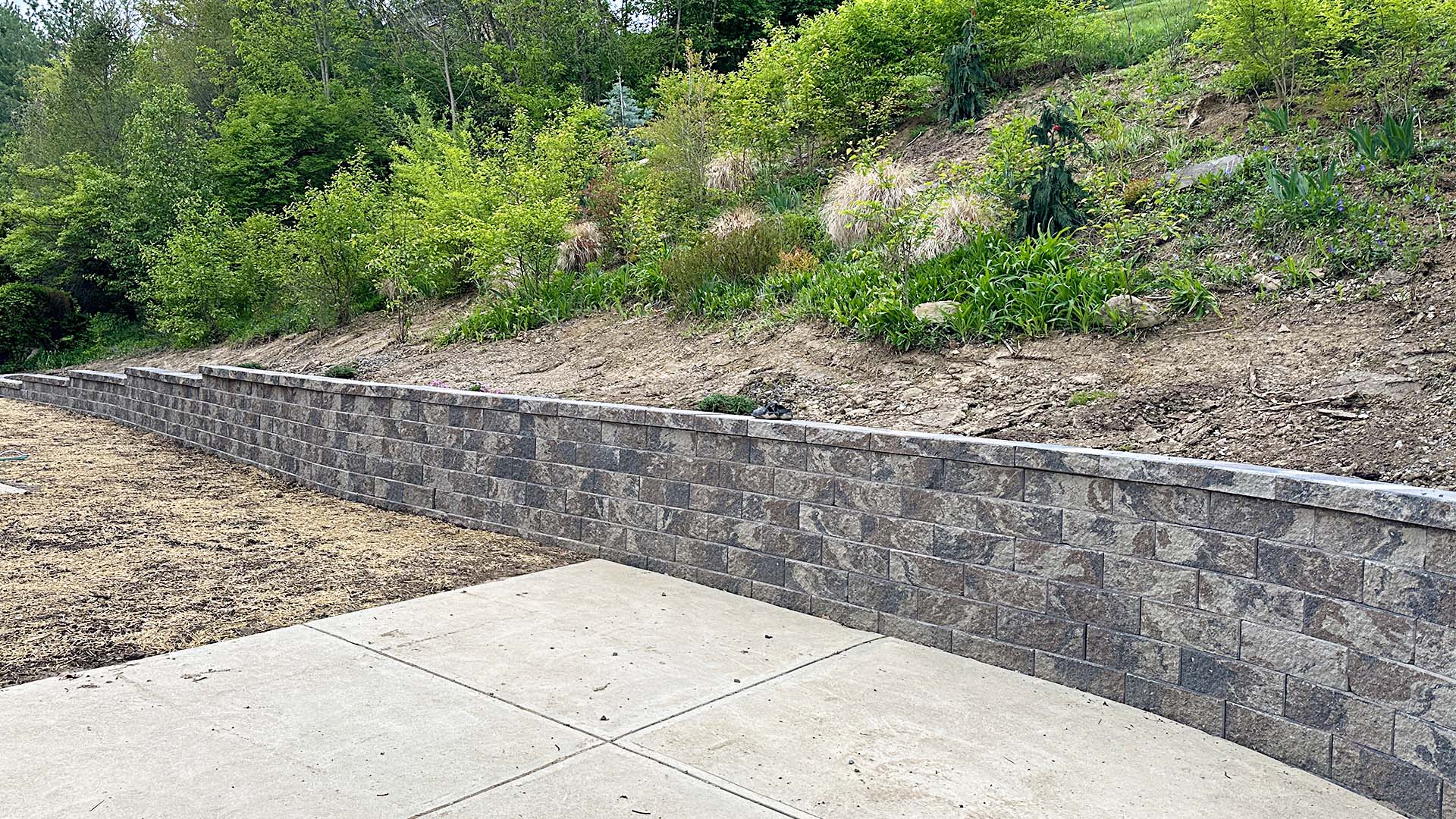
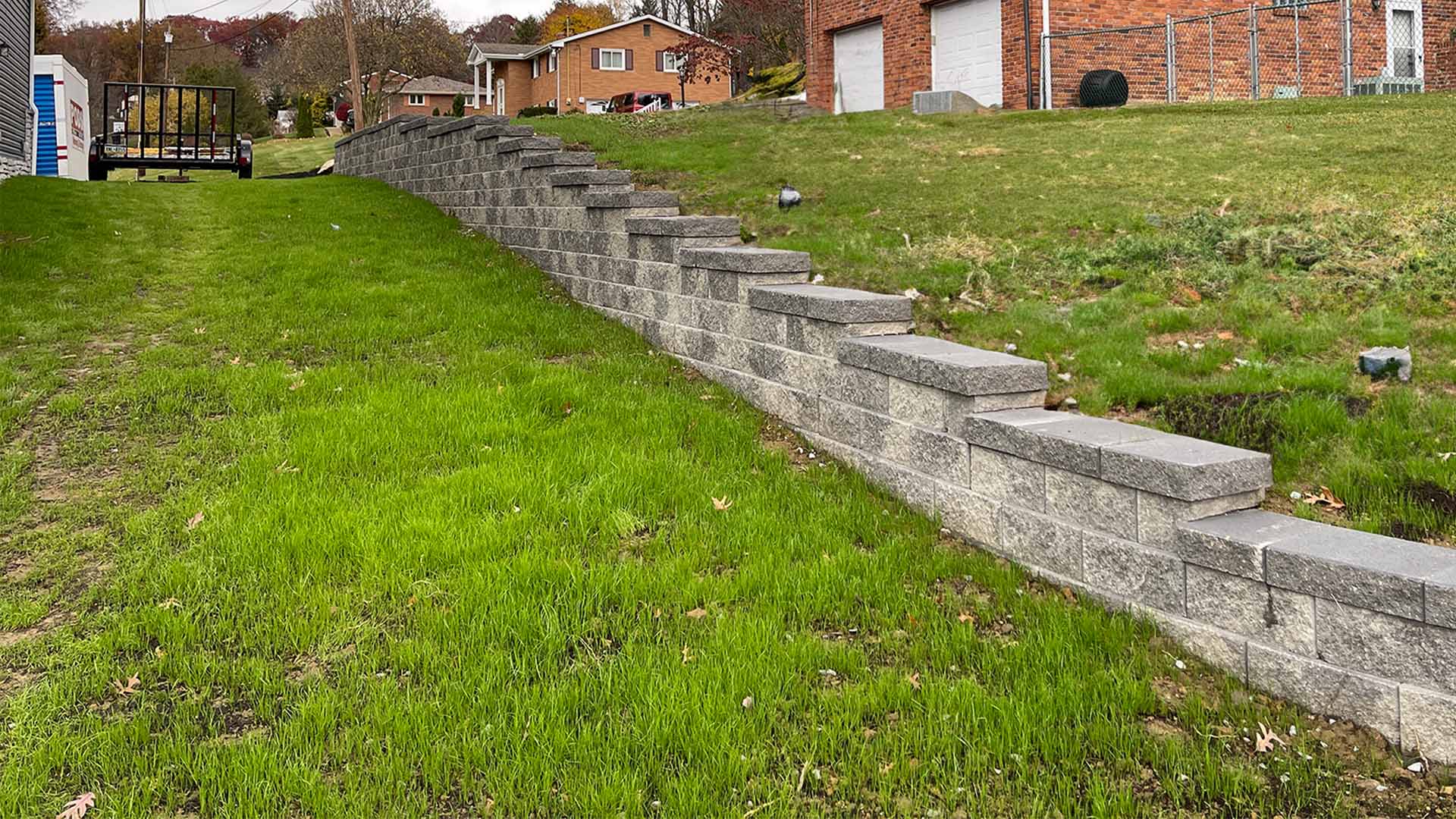
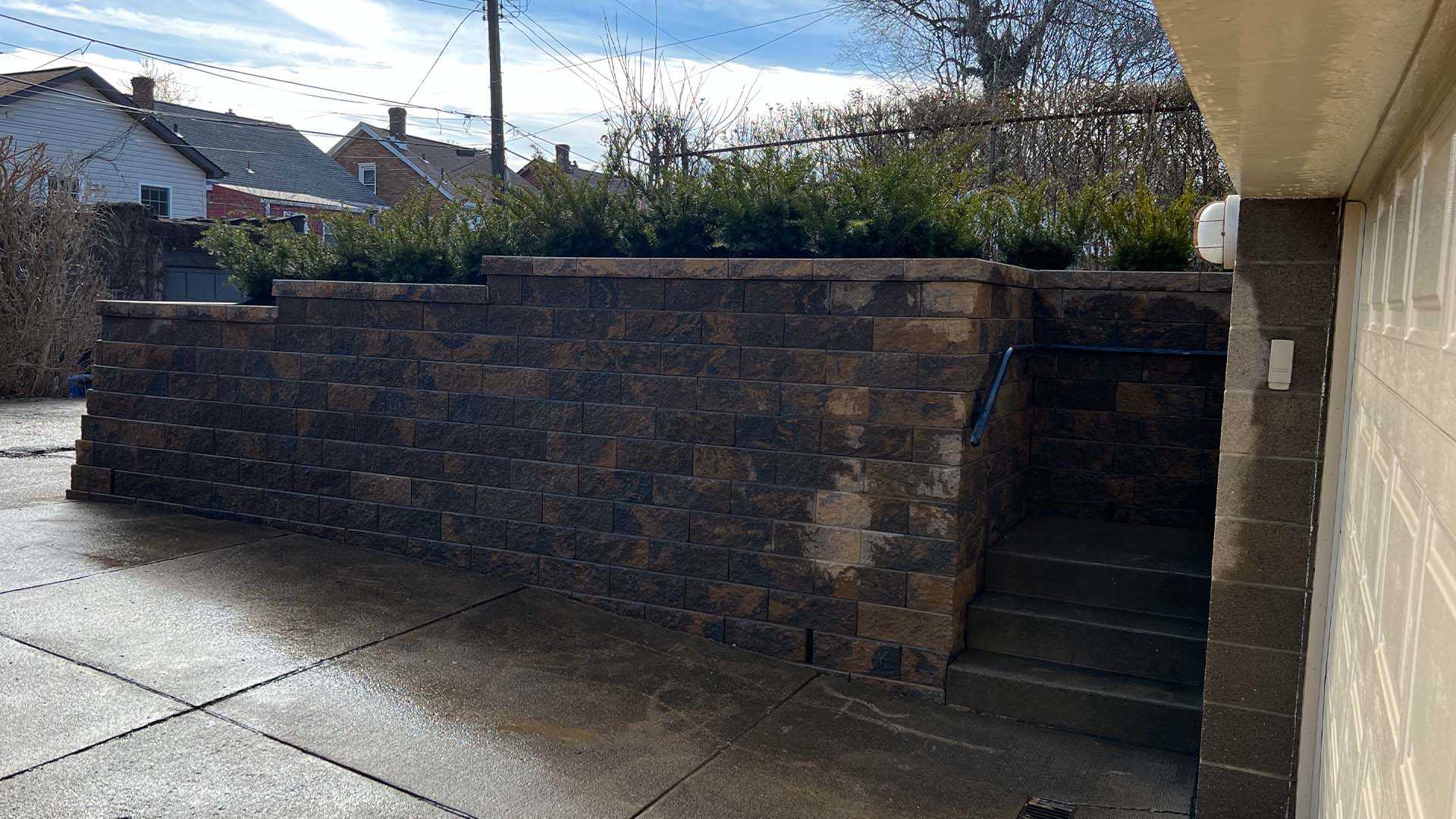
Stand back and look at your wall from a distance. It should be straight or have a consistent, intentional curve. Any bulging, leaning, or sections that look "off" compared to the rest indicate structural movement. This happens when water saturates the soil behind the wall, freezes, and pushes outward.
Walk along your wall and look for:
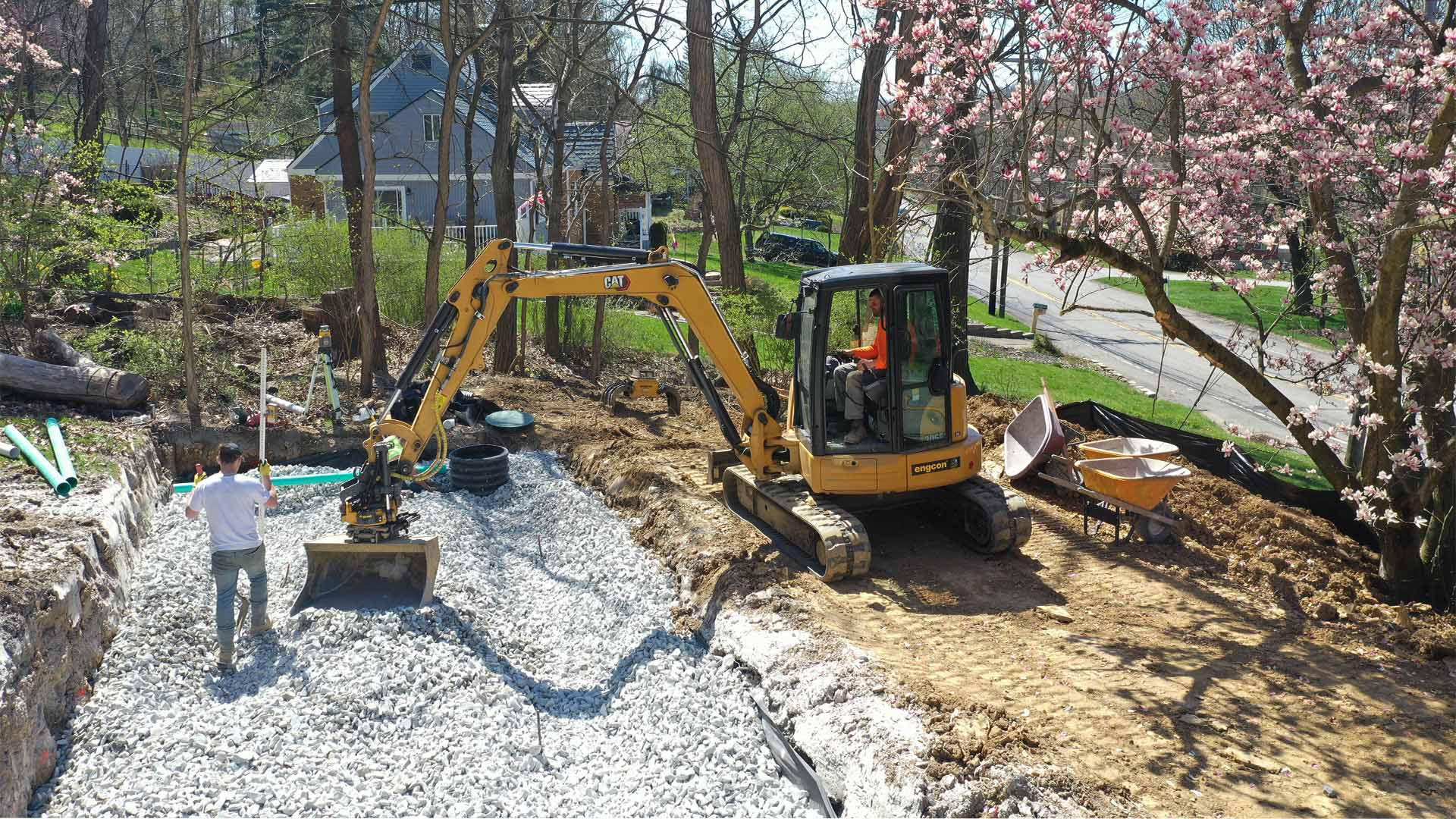
Check behind and around your wall after rain or snowmelt. Water pooling at the base, saturated soil behind the wall, or water seeping through the face are all signs that the drainage system may have failed. Proper retaining walls have drainage aggregate and weep holes to move water away. If these get clogged or weren't installed correctly, pressure builds up behind the wall.
Look for soil washing out from behind or under the wall. If you see gaps forming at the base or soil spilling over the top, the wall is no longer doing its job of holding back the grade.
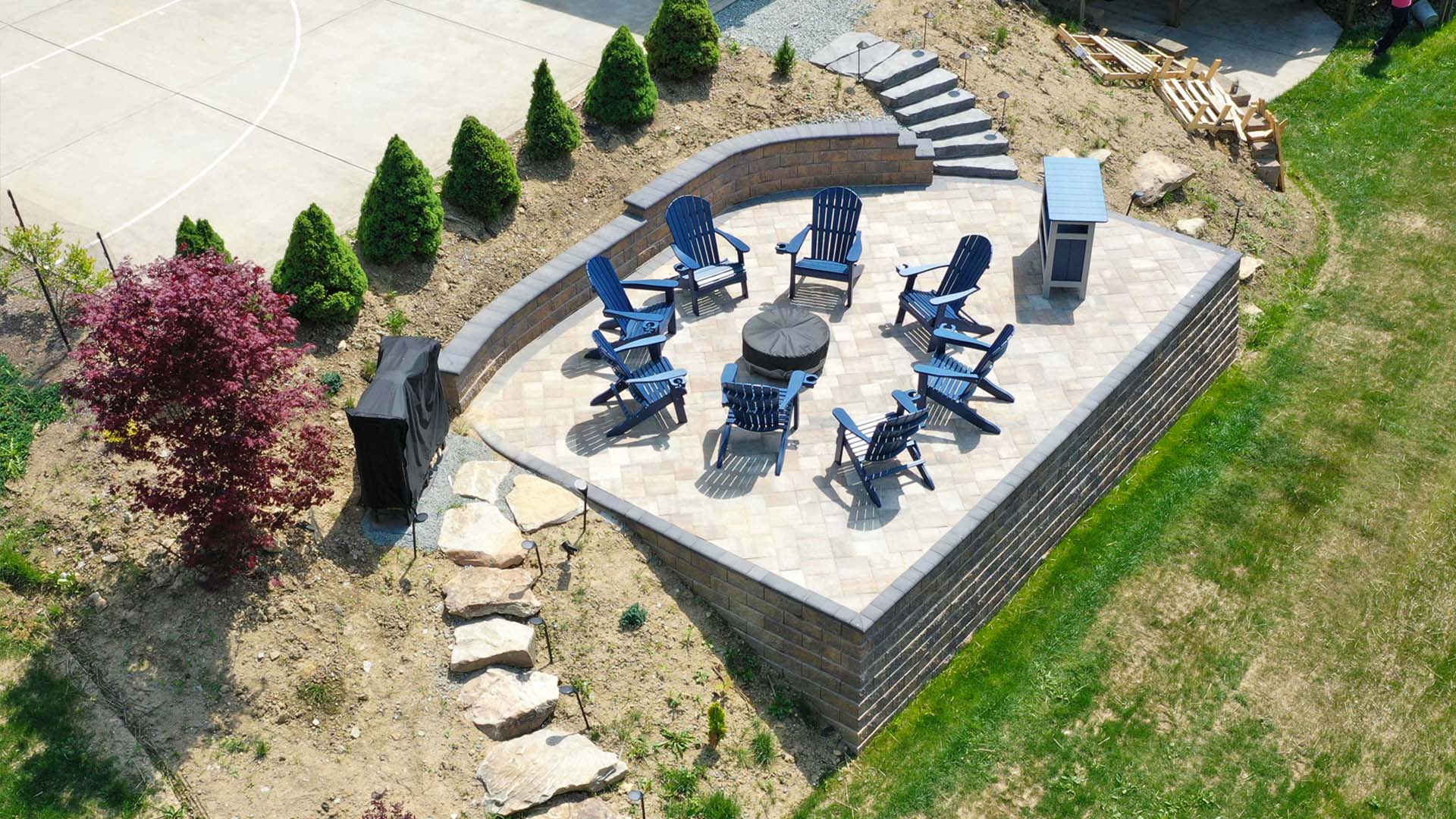
Walk your patio and feel for uneven spots. Pavers or flagstone that have risen up (heaving) or sunk down (settling) create trip hazards and indicate base problems underneath. This is especially common near the edges of patios and where they meet other structures.
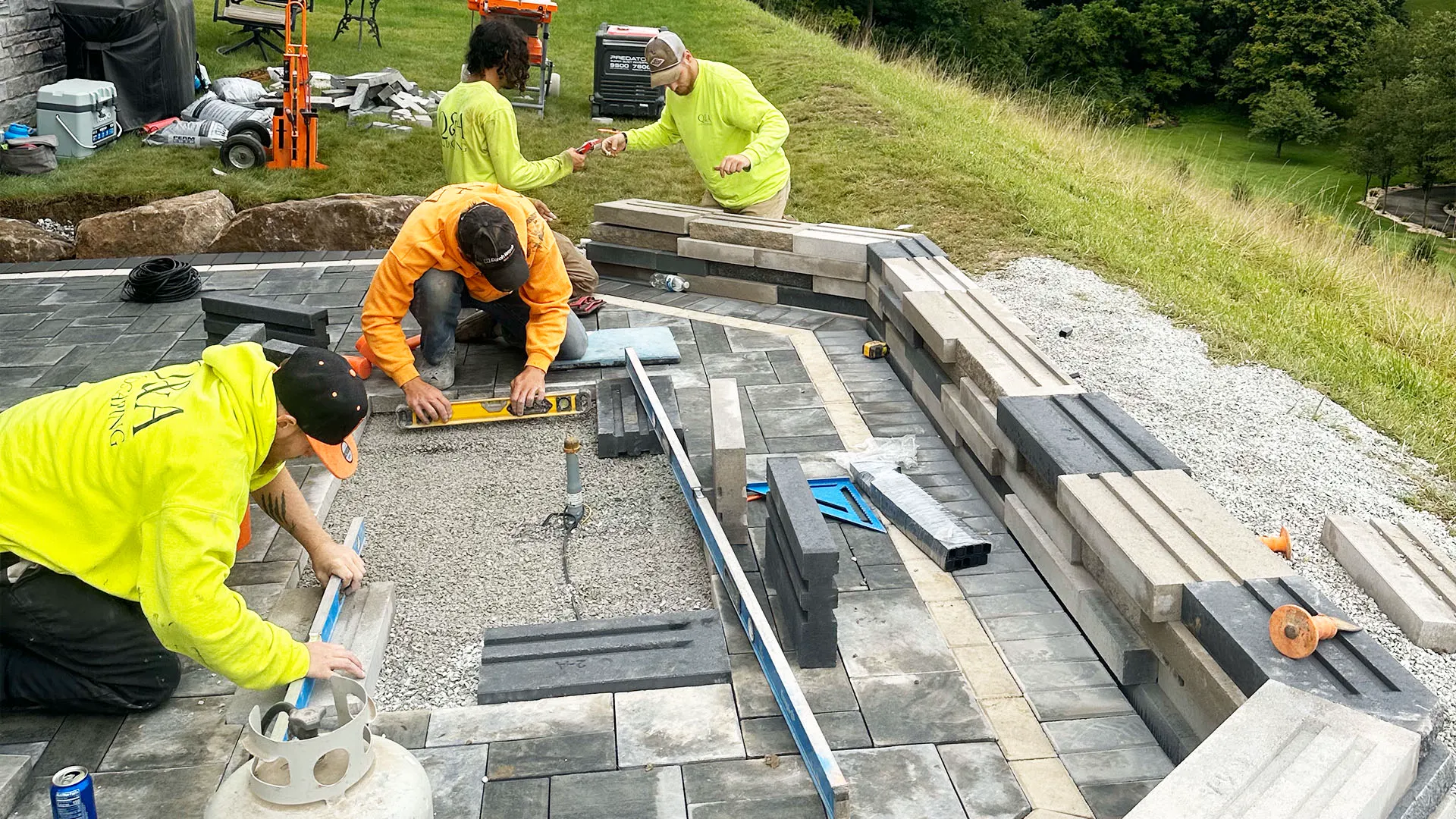
Individual cracked pavers can often be replaced, but widespread cracking suggests a base issue. For concrete patios, look for cracks wider than a quarter inch or sections that have shifted relative to each other.
The sand between pavers (polymeric or regular) can wash out over time. Missing joint sand lets pavers shift and allows weeds to take hold. This is an easy fix if caught early but leads to bigger problems if ignored.
Patios should drain away from your house. If you're seeing puddles that sit for hours after rain, the grading has shifted or was never right to begin with.
Small problems like loose cap stones, minor joint sand loss, or a single shifted paver can often be addressed as maintenance items. These are good spring projects.
Leaning walls, significant settling, failed drainage, or widespread structural movement require professional assessment. These problems don't fix themselves and typically get worse each winter. A wall that's leaning 2 inches this year might be leaning 4 inches next year. If a wall needs rebuilding, a winter site visit and estimate gets you onto the spring schedule early, and the permit rules by township are worth checking first.
Sometimes patching and repair makes sense. Other times, the underlying issues mean repair is just delaying the inevitable. A professional can assess whether your wall or patio can be salvaged or if starting over with proper drainage and base preparation is the better investment.
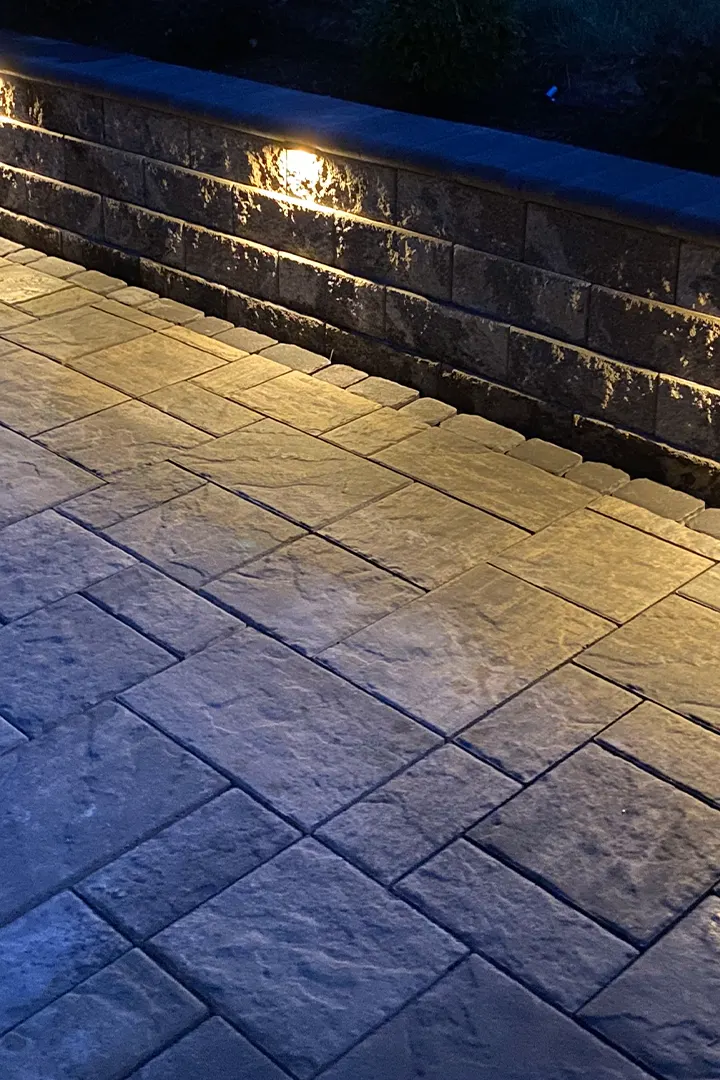
Properly built hardscapes handle Pittsburgh winters. That means adequate base depth, proper drainage behind walls, correct compaction, and quality materials. Our retaining walls include drainage aggregate, Geogrid reinforcement where needed, and are backed by our 5-year craftsmanship warranty.
If you've noticed any of these warning signs on your property, reach out for a free assessment. Catching problems early usually means simpler, less expensive solutions.