
Edging mulch or stone beds is a project that gardeners find themselves doing once or twice a year. But does it really have to be done so much? With concrete borders, you may never have to edge again.
Continuous concrete borders are a permanent solution to the recurring task of redefining the edge where the grass meets the landscape bed.
The concrete border usually has an angled profile to retain the landscape material behind it like mulch or stone and then slopes down to better meet the lawn. We are able to color and stamp the concrete based on your preferences.

They are more of a premium option when it comes to landscape edging, but they last many more years than plastic or rubber alternatives.
Within a few seasons of cutting the grass by plastic borders they are damaged and unsightly, not to mention they are usually falling out of the ground.
We install concrete garden border edging in the Pittsburgh area with our machine that pours a continuous concrete curb. In addition to the installation of the curbing, we would be happy to install any of the related mulch or stone that your project may need.
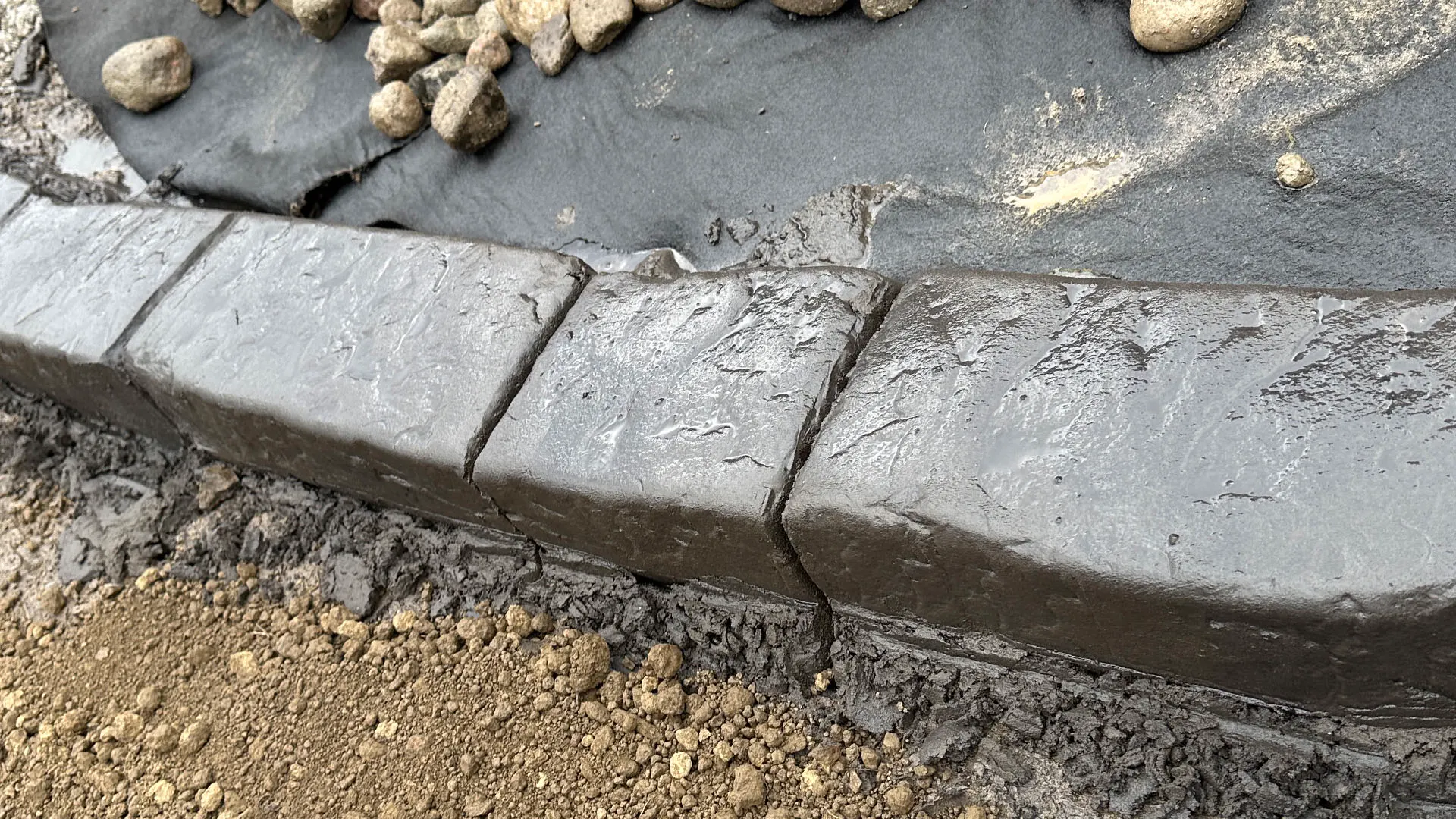
Continuous concrete curbing is a very low-maintenance option, because it does a good job of keeping grass out of the stone or mulch bed for a long time.
People commonly take their low maintenance to the next level by replacing their mulch with stone as well during these projects.
Some garden borders can be installed lower to the ground surface to allow lawnmowers to cut grass to the very edge, reducing manual trimming needs substantially.
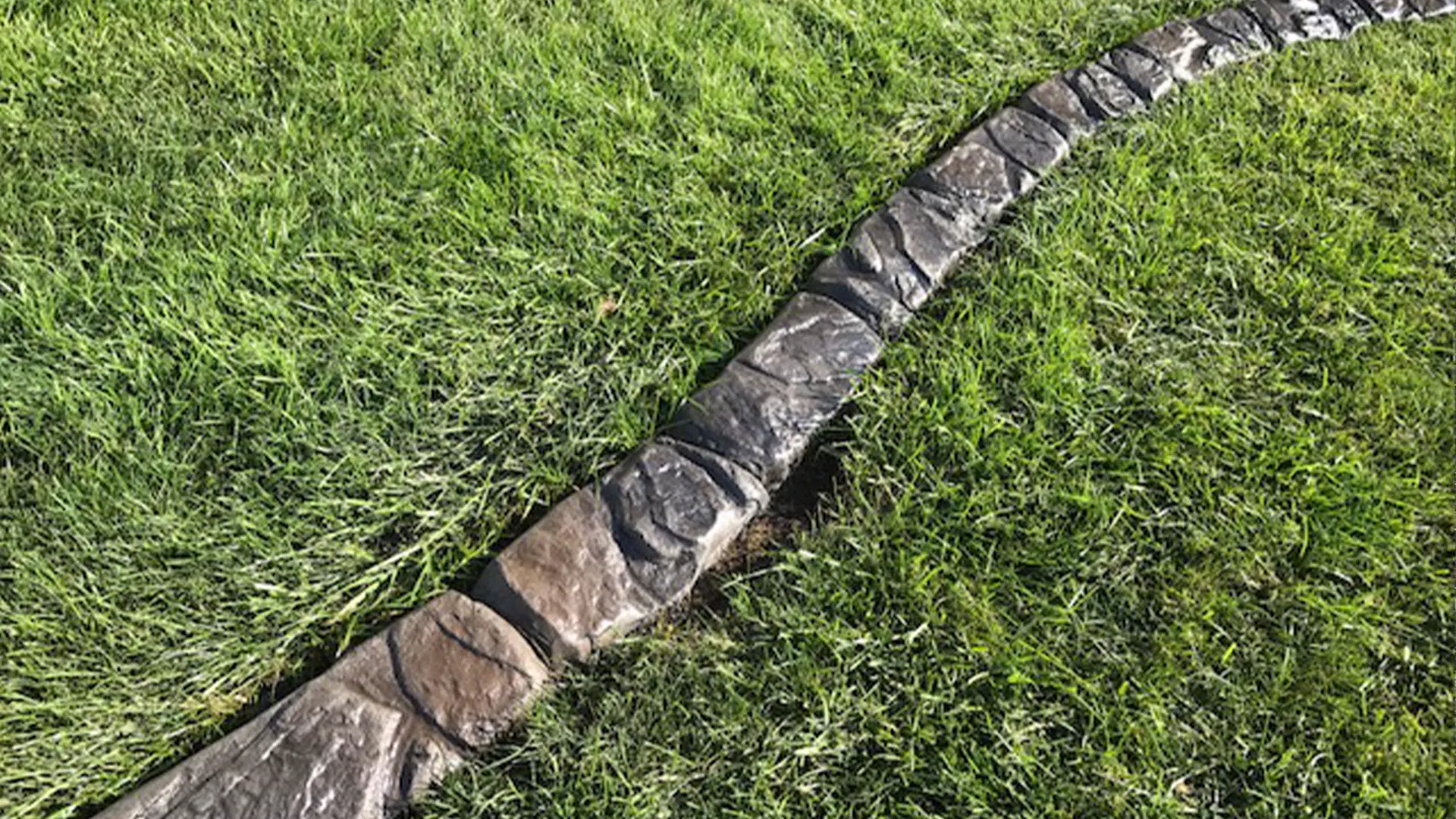
Concrete curbing is an efficient and thorough way of replacing the continuous need to re-edge landscape beds year after year. Your initial investment is guaranteed to conserve time, money, and energy over the life of your borders.
Concrete curbing can last 10-15 years when installed by a professional and maintained properly. The terrain in which the border is installed and the physical abuse it endures also plays a large part in the longevity of your border.
Every few years you can consider resealing the border to protect the concrete and keep the finish glossy. There are different levels of gloss sealer available as well as slightly tinted sealers if you ever wanted to add a little color in the future. It is important to put the sealer on evenly and with optimal weather for the best results.
Yes, we run a continuous steel cable through the middle of our concrete borders to act as rebar. Our highly specialized concrete curb machine lays the flexible steel cable in the border as the concrete is being placed. This provides increased strength and more durability than some of the older techniques to install concrete borders you may see around your area.
Concrete borders have many patterns and styles to choose from. Alternatively, your border can be carved to resemble natural stone, almost like a Belgium block. We are able to color the concrete a wide variety of colors, but popular choices are usually shades of grey, brown, and tan.
There are various natural stamps we can apply and also some more organized patterns.
Before we can install your border, you will need to pick from one of the patterns below:
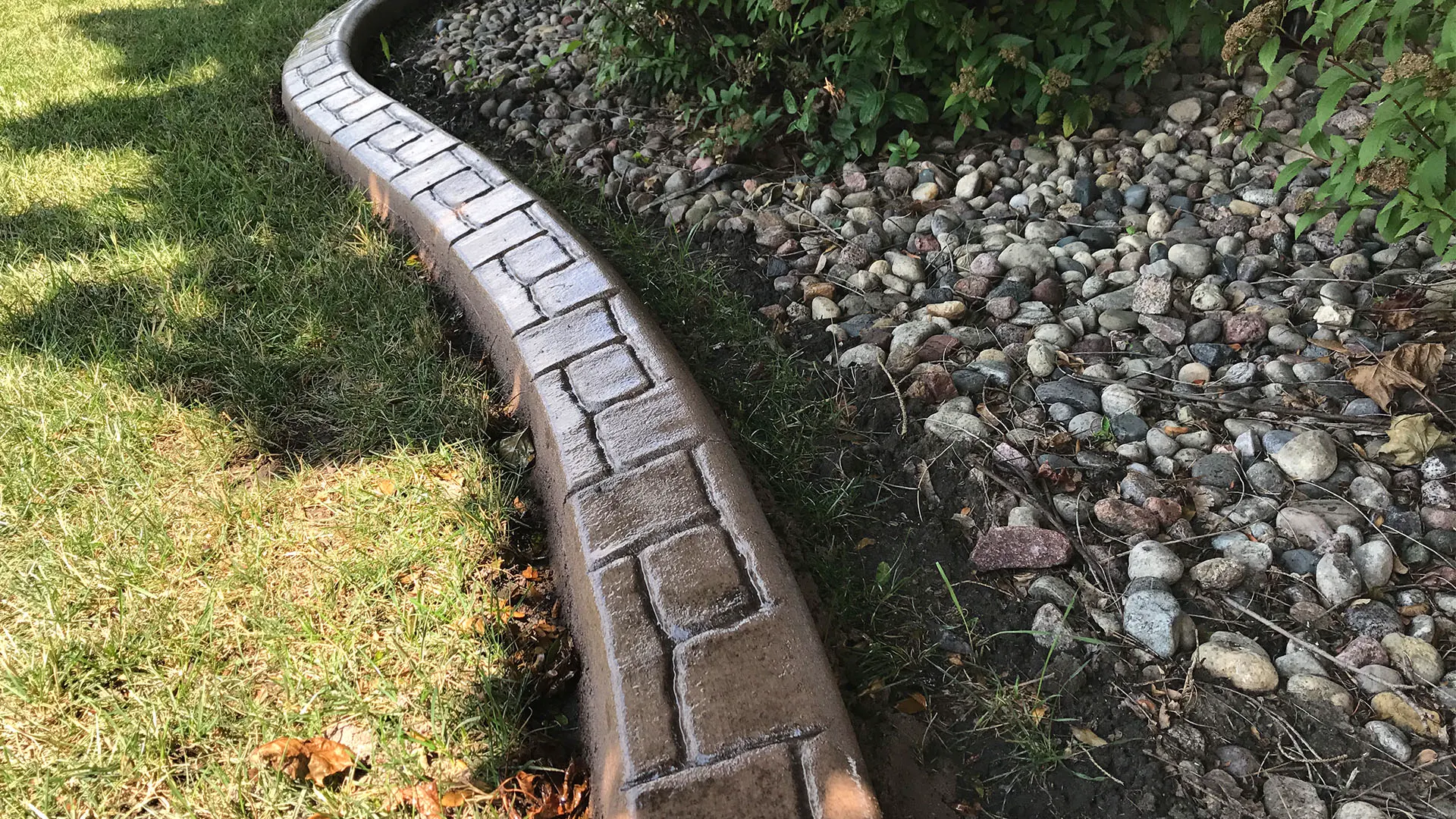
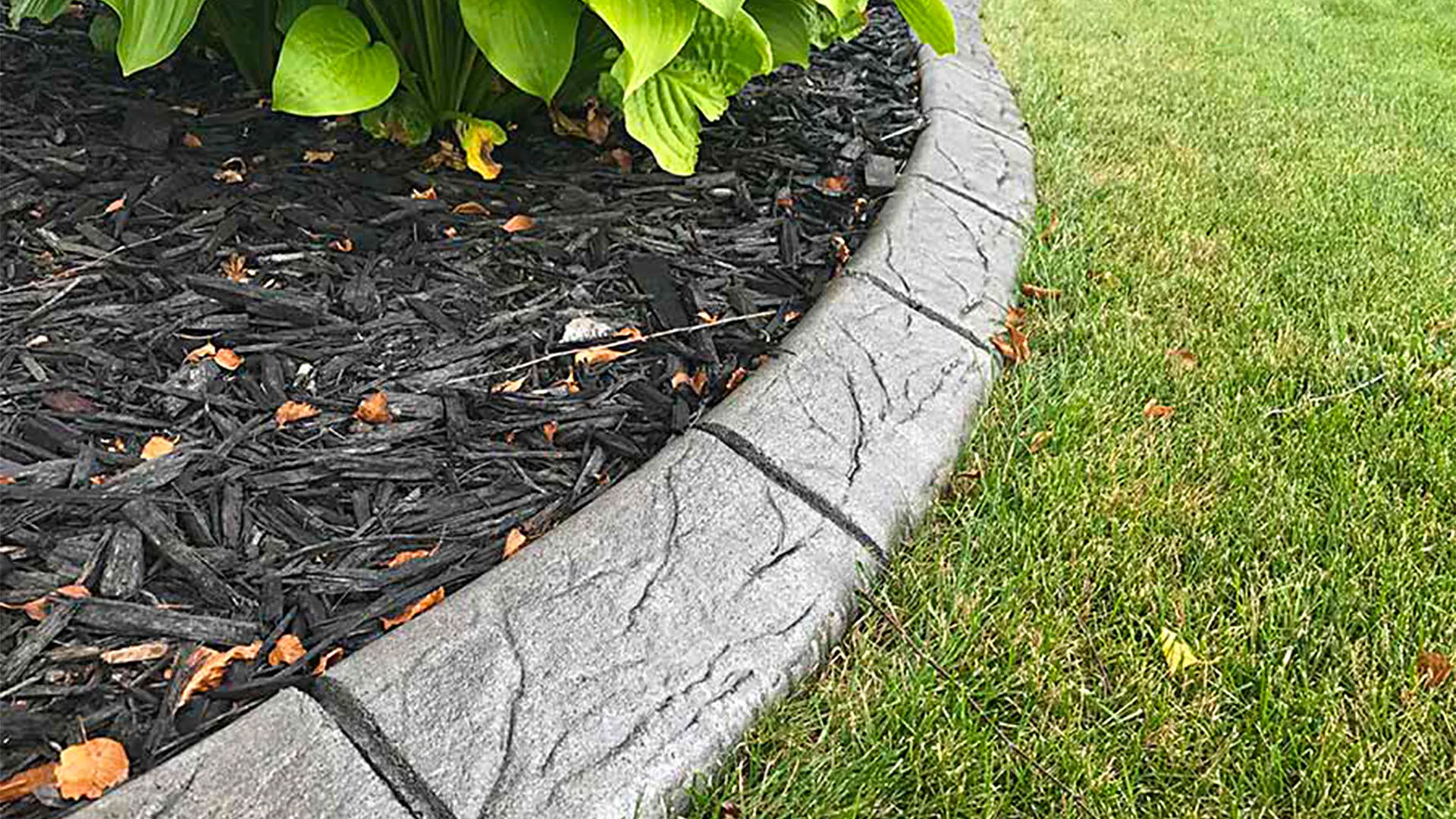

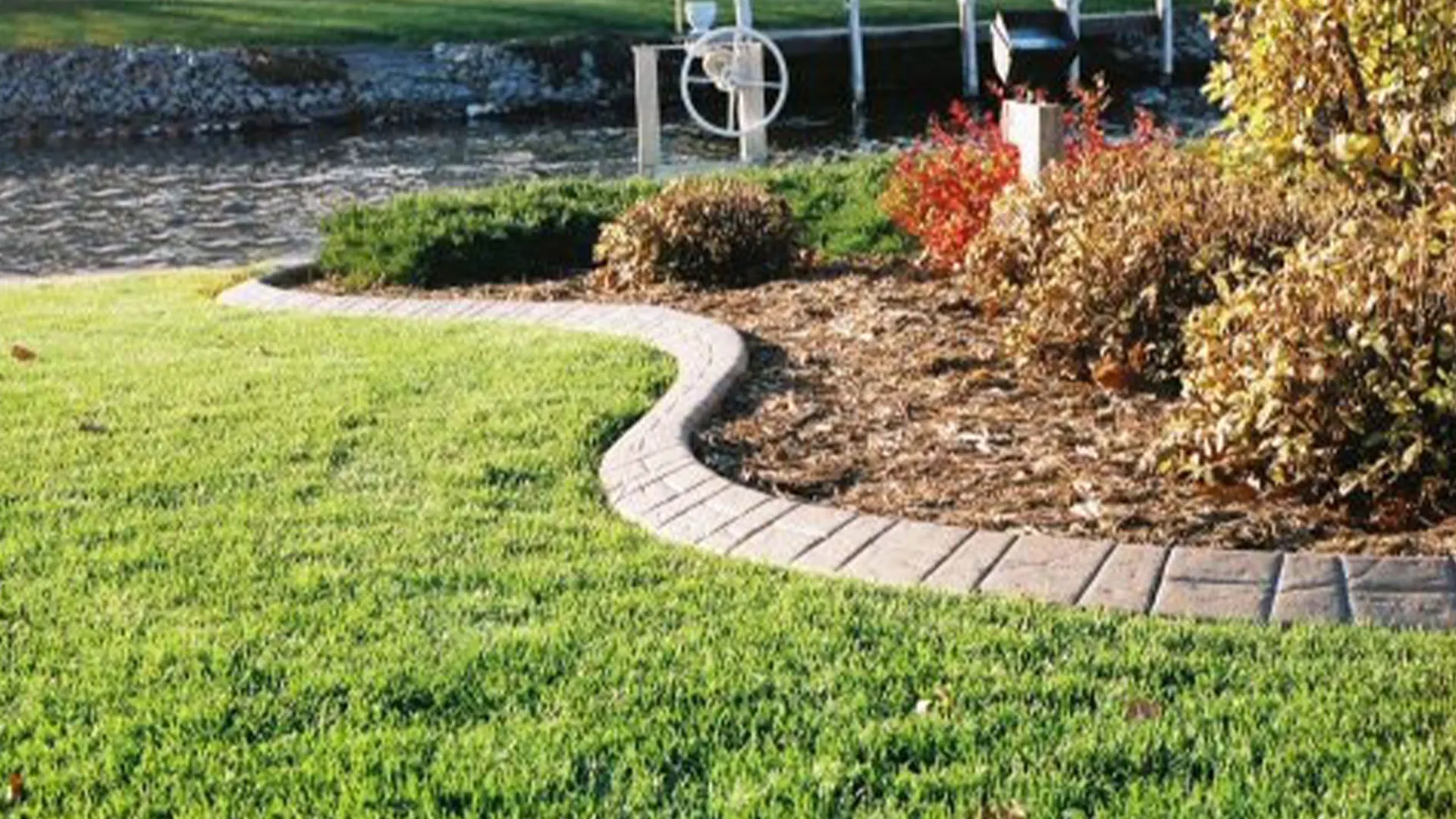
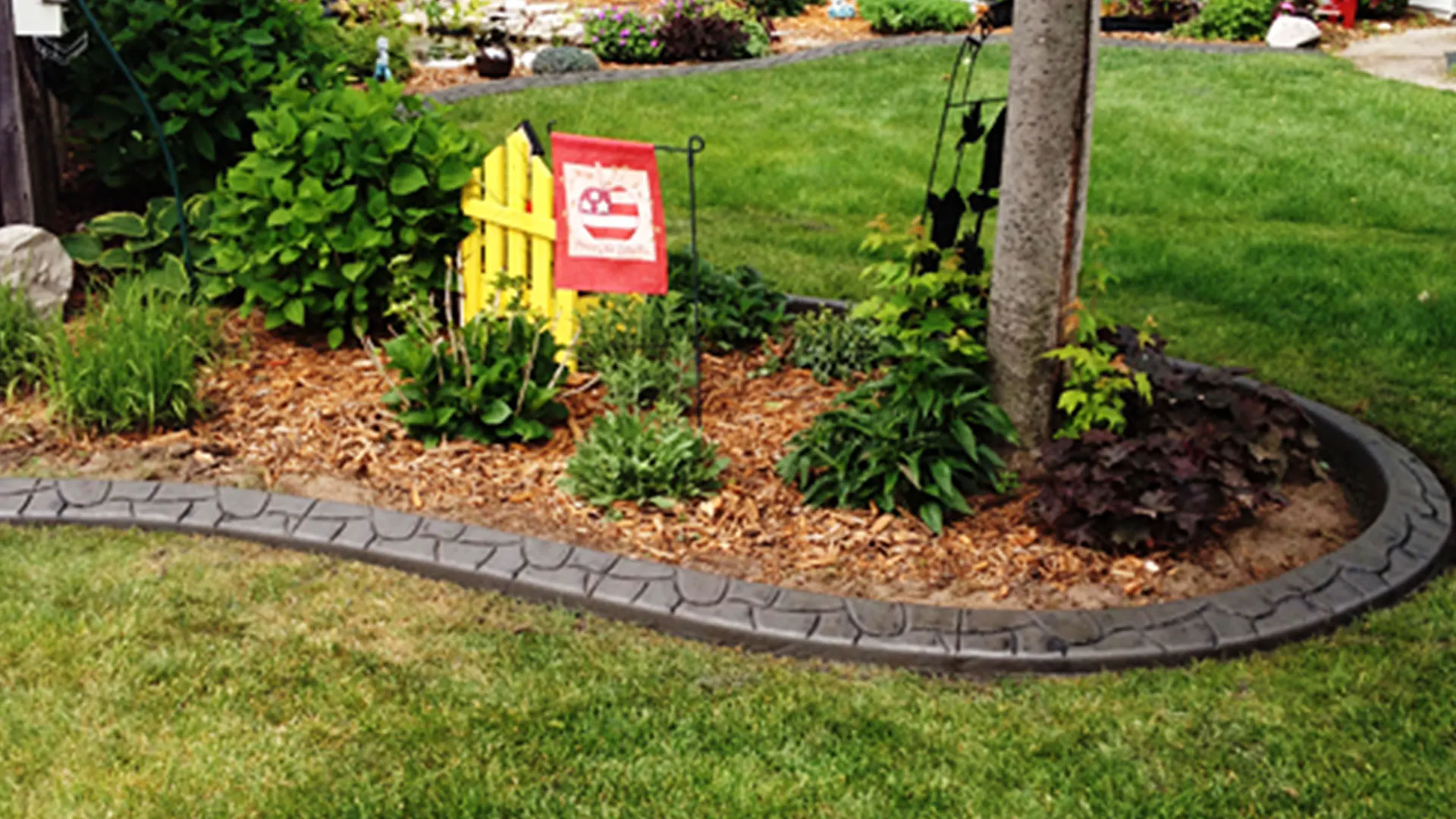
Once you've picked a style, we'll then mark where you want the curbing to go, and start digging the few inches deep trench where the border blocks will go.
Depending on which height you've chosen, we'll dig that far down and run our border installing machine that lays wet concrete along a line of rebar.
Q&A Landscaping can wrap up a project like this start to finish in no time flat. We install concrete curbing because it's a permanent way to define the edge between your lawn and landscape beds. When done by an experienced professional, your border can last for years and years to come. Not only is continuous concrete border highly durable, but also aesthetically appealing.




From the blog
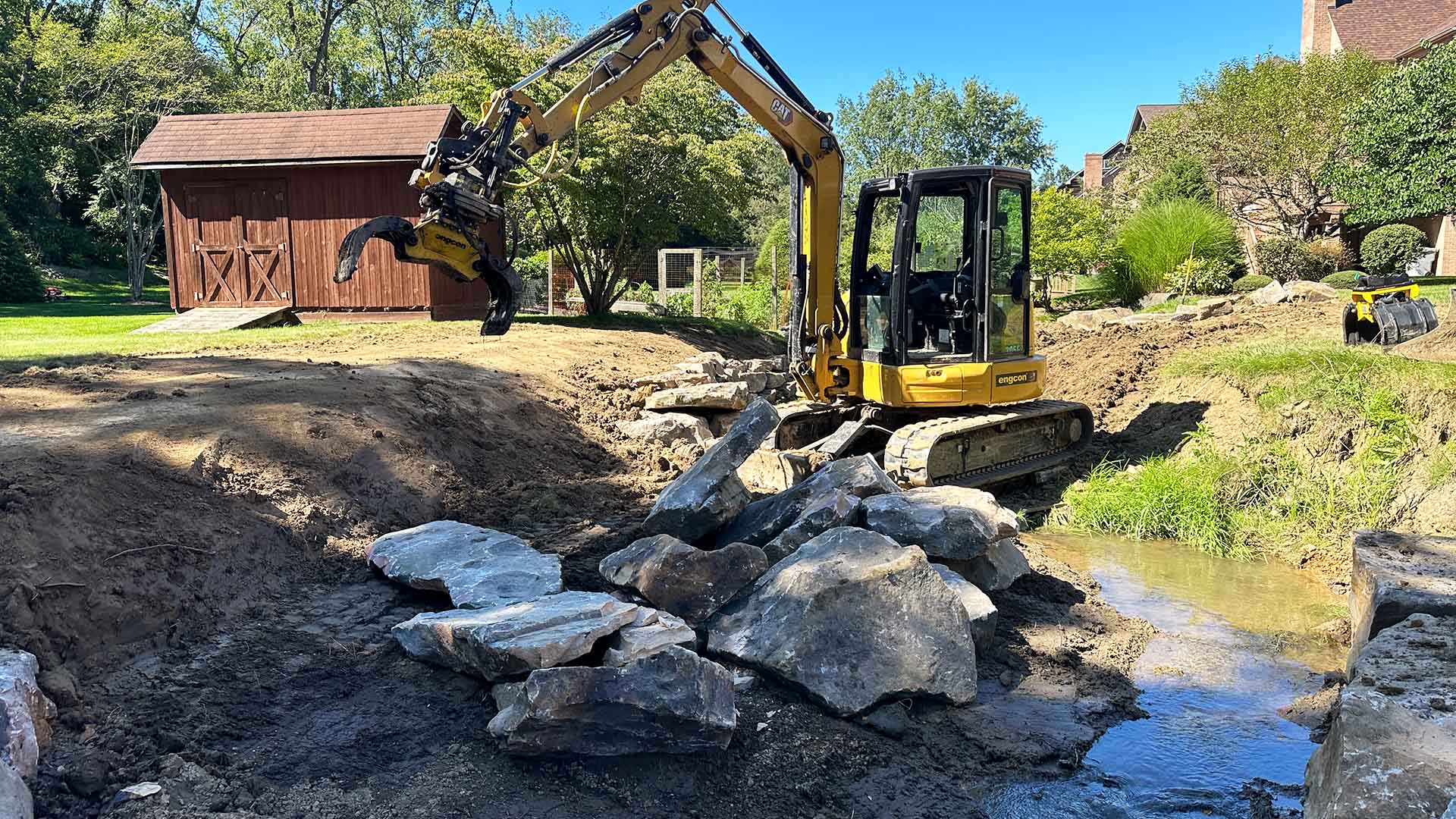 Hillside Landscaping: What Holds a Slope
Water, soil, and a good base decide whether a slope stays put. Here is how walls, boulders, and stone work on South Hills hillsides.
Read the article
 Protecting New Sod, Seed and Plantings Over Winter
What a new lawn and new plants need to get through their first Pittsburgh winter, and what to check when the ground thaws.
Read the article
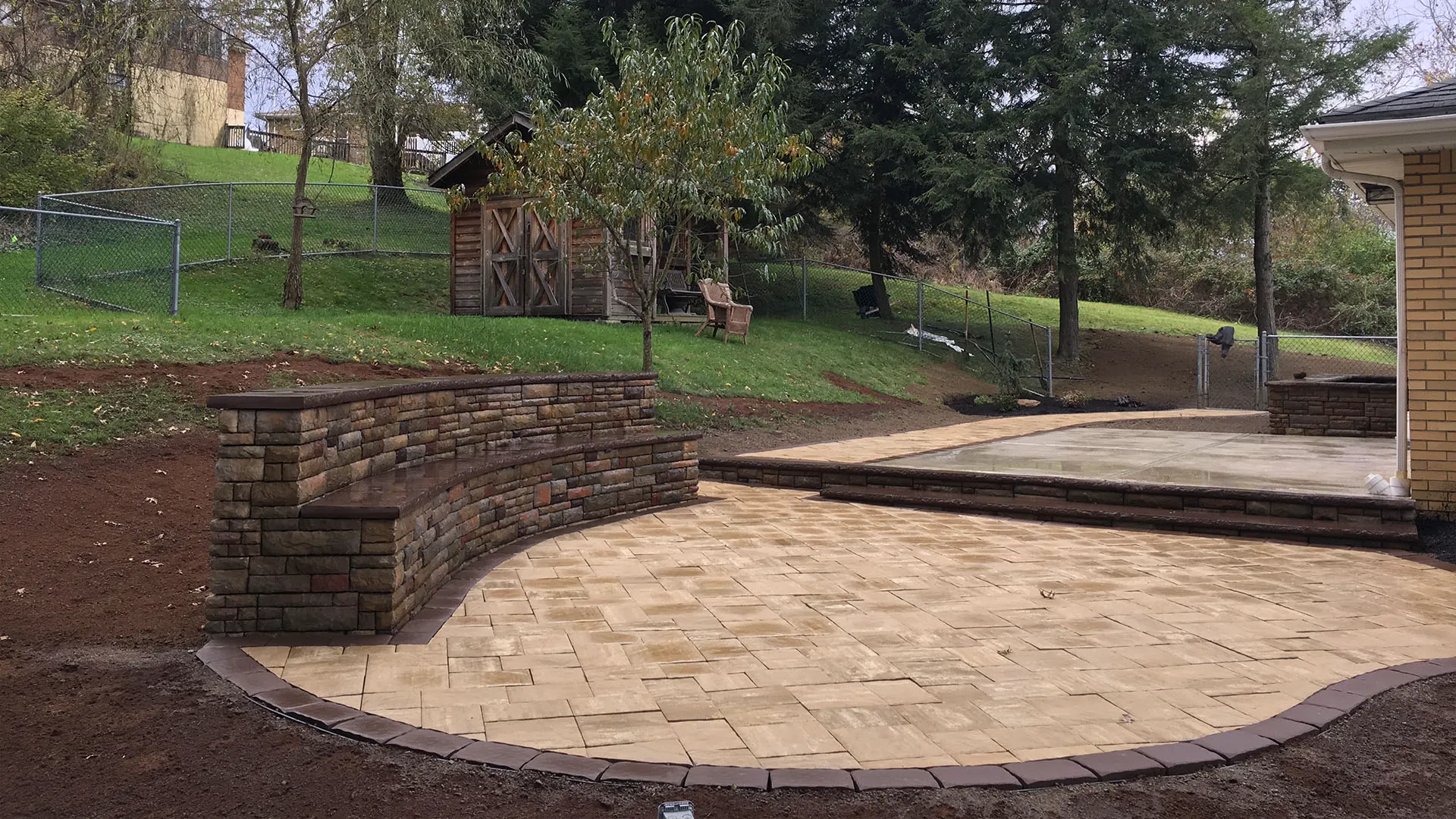 Rock Salt and Pavers: Winter Care
How salt, snow piles, and ice affect patios, walls, and steps in a Pittsburgh winter, and what to do instead.
Read the article
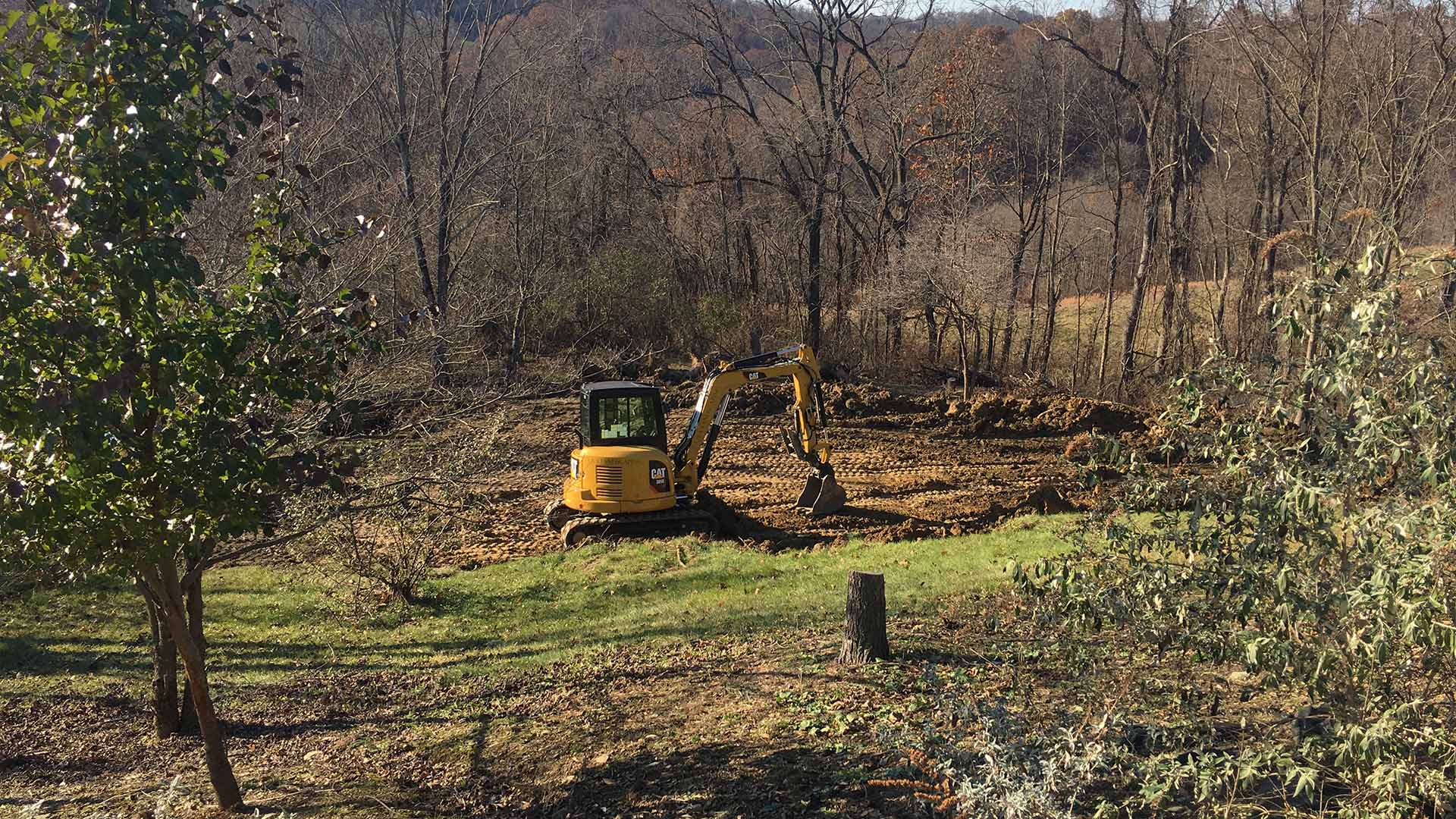 Six Signs Your Yard Needs Drainage Work
Standing water and soft ground are the early ones. Here are six signs to watch for on a South Hills property, and what to do about them.
Read the article
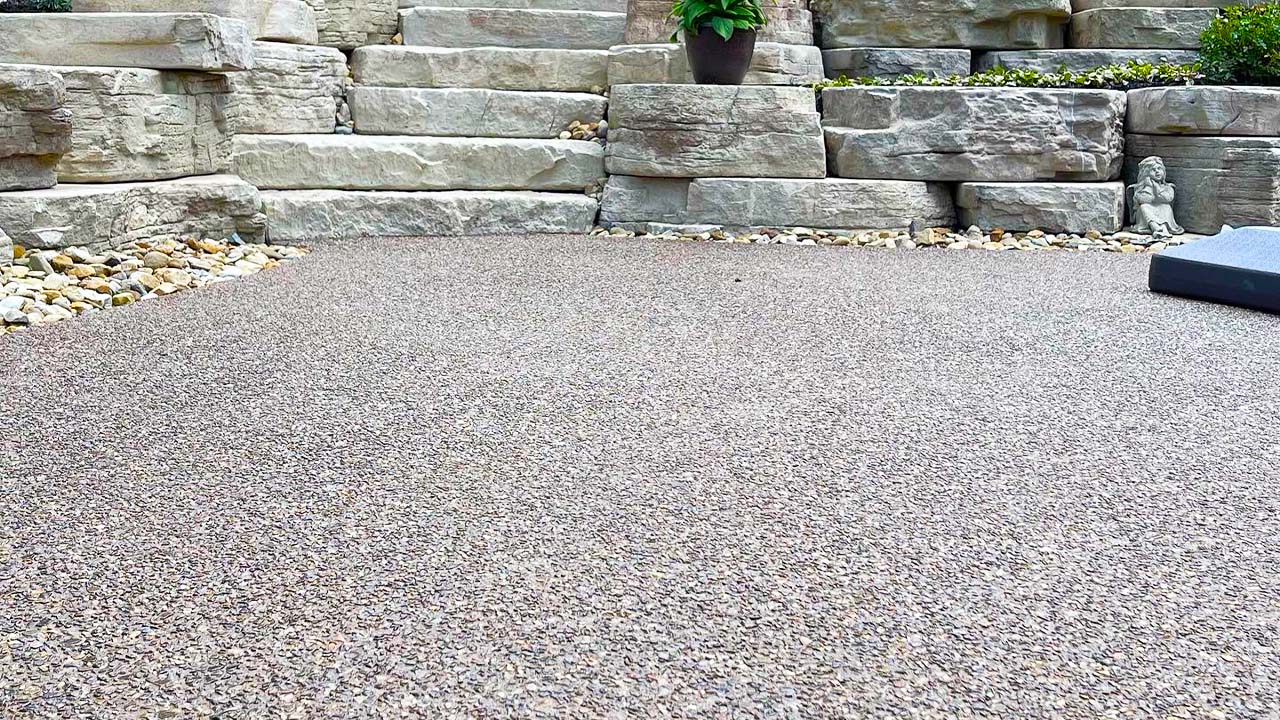 Pavers, Exposed Aggregate, or Stamped Concrete
Three good patio surfaces, and Pittsburgh winters treat them differently. Here is how they compare on freeze-thaw, repair, look, and price.
Read the article
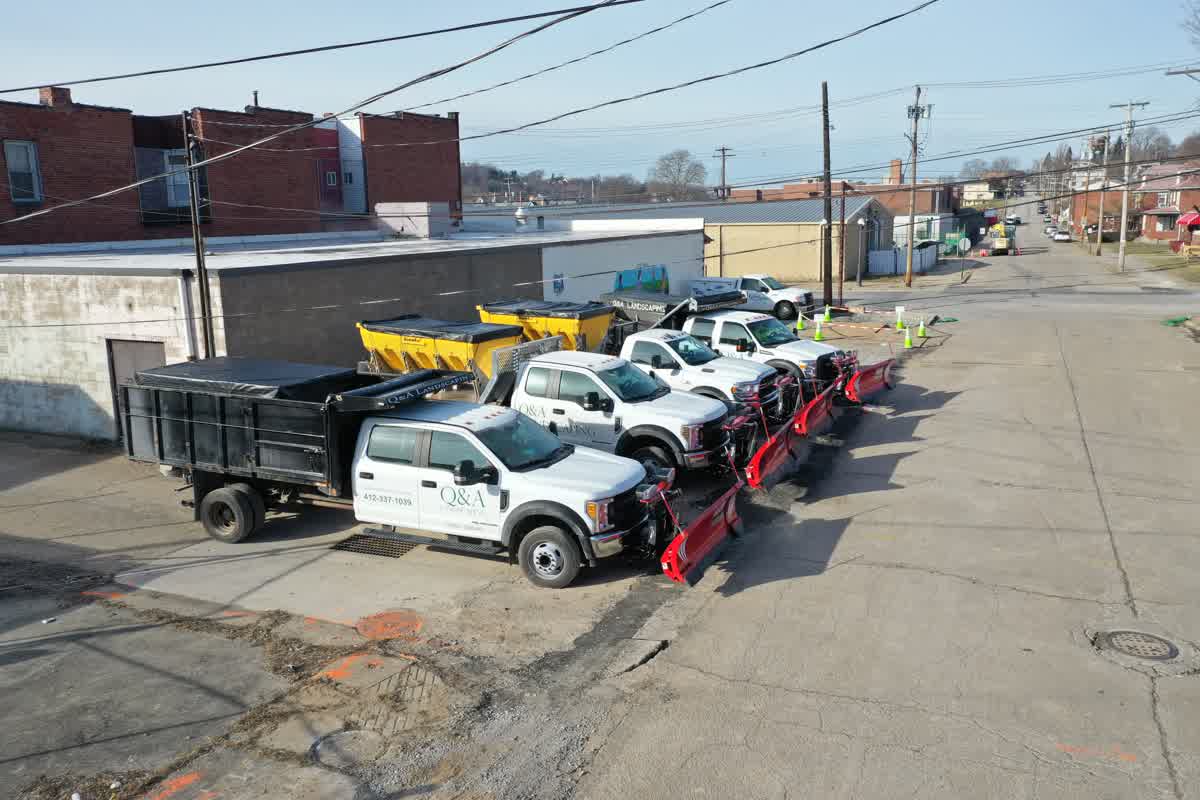 Commercial Snow Removal in Pittsburgh
What a commercial snow plan covers for the 2026 to 2027 season, how our list works, and why the time to book is before the first storm.
Read the article
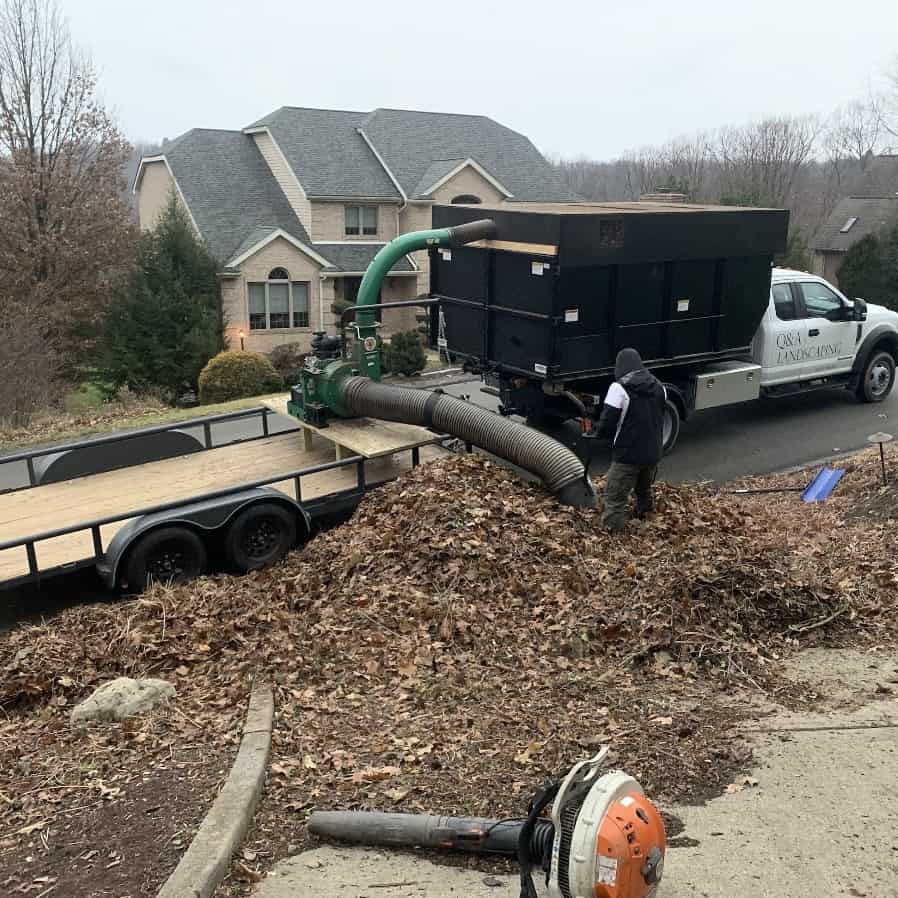 Fall Cleanup Checklist
A simple, step-by-step list for preparing your yard before winter arrives.
Read the article
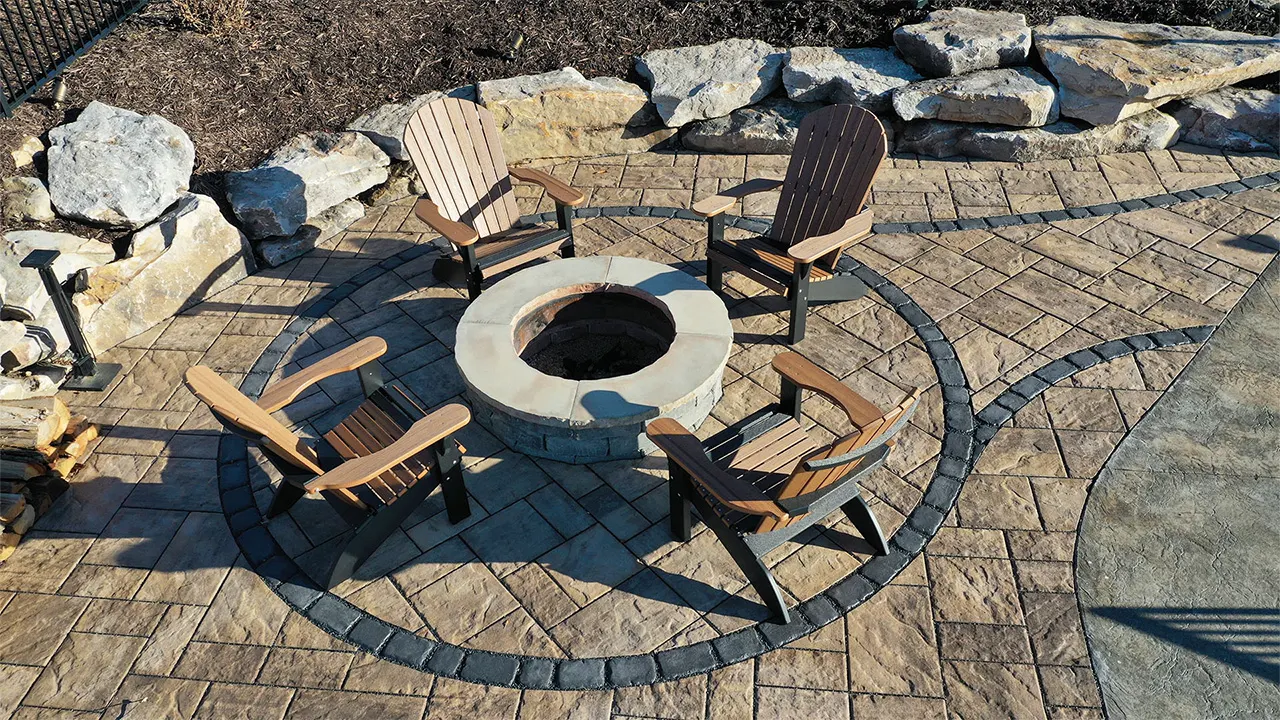 Book a Spring Patio or Wall Over the Winter
The spring schedule fills early. A winter site visit and estimate gets you a spot on it and leaves the decisions made before the ground thaws.
Read the article