The time to settle a snow contract is before the first storm, not during it. For a property manager, the contract is what decides whether the lot is open at 6 a.m. and what you can show if someone slips. Here is what we think a commercial snow contract should settle, with the questions to ask any contractor.
There are two common structures. A seasonal contract provides service for a fixed monthly fee, which works well when you need guaranteed priority response and a predictable budget. A per-event contract charges for each snowfall, which can suit a smaller property or a light winter but can spike in cost during a heavy one. At Q&A, seasonal contract clients are guaranteed service before one-off requests. Either way, get the structure in writing and ask what happens in a winter with far more or far less snow than usual.
Ask for the trigger as a number: the depth of snowfall at which the contractor plows. Without one, "the lot is clear enough" becomes an argument after the storm. Also ask whether the trigger is the same for the whole property or different for entrances, fire lanes, and walkways.
Plowing clears snow, but ice is what causes most falls. We offer salt and ice melt application for parking lots and sidewalks, and it can be included in a seasonal contract or requested per event. Settle which one you are buying, when salt goes down (before the storm or after plowing), and whether it is billed separately.
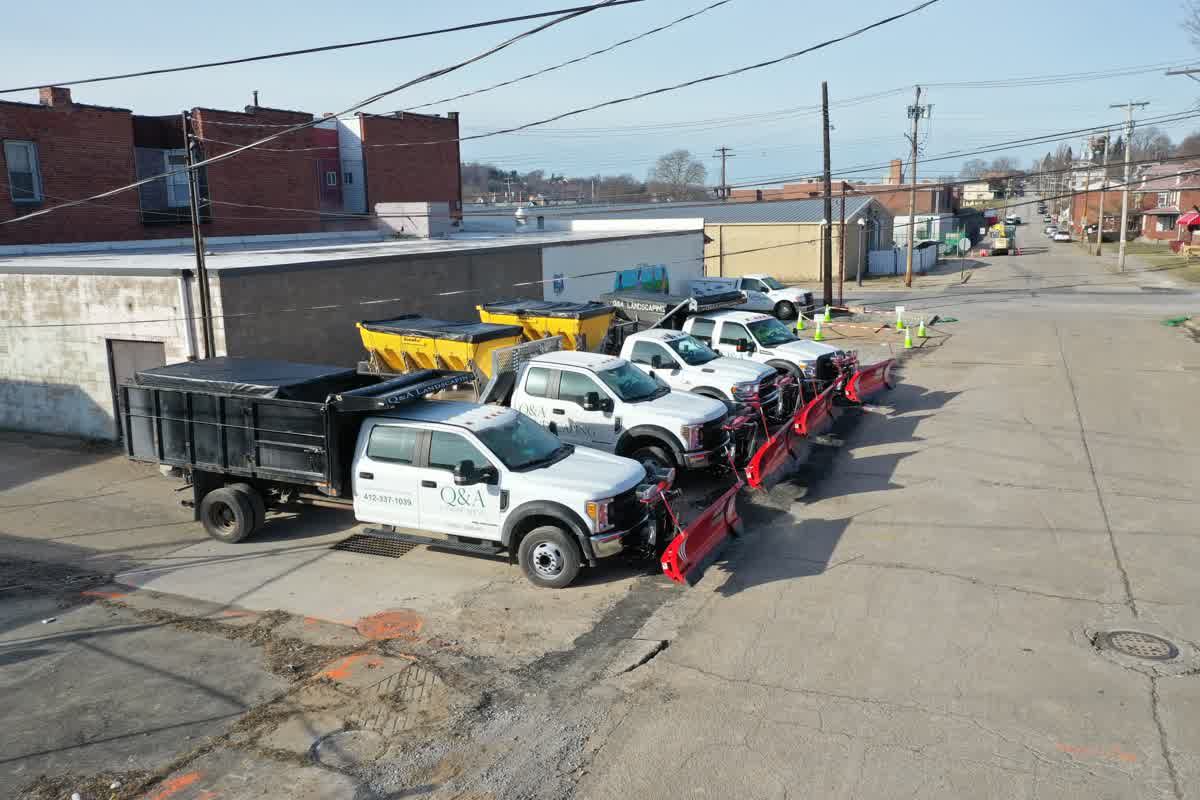
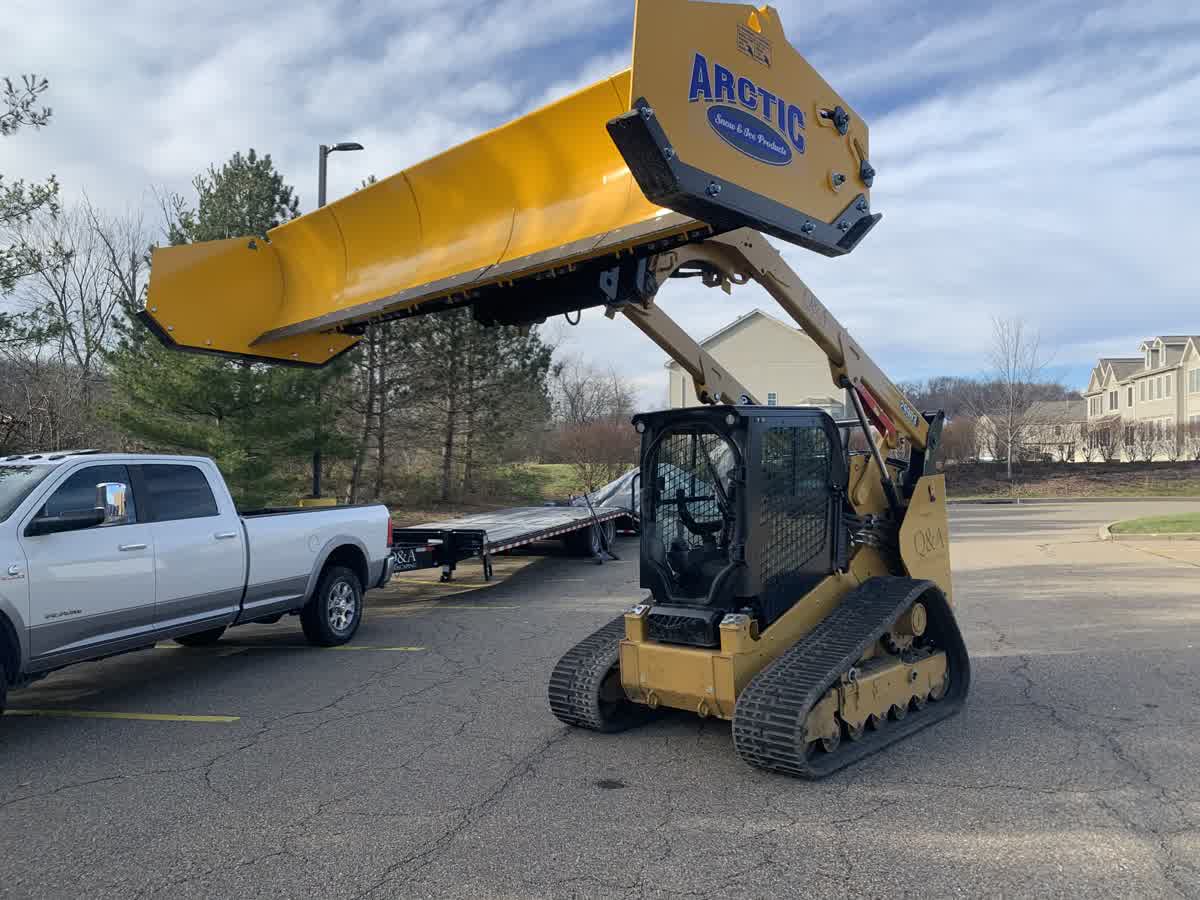
Write down when the work will be done, not just that it will be. For a business, that usually means walkways and entrances clear before opening hours. Ask who clears sidewalks and building entrances, since a plow does not do that work. Our equipment ranges from dump trucks to large wheel loaders along with sidewalk-specific vehicles, so one crew can cover the lot and the walks.
Ask about response area too. We keep our service area within 10 minutes of our garage in Clairton, including Pleasant Hills, West Mifflin, and the surrounding area. A contractor whose trucks start across the county will not reach you first.
Slip-and-fall claims are decided on records. Ask for service logs that show when each visit happened and what was done, and keep them. Documenting snow removal activity is part of the liability protection a contract should give you, and it is worth asking for before you sign.
A contract is stronger when it names the priorities instead of leaving them to judgment. Ours are clearing walkways before business hours, applying salt and de-icer to prevent ice formation, marking hazards like curbs and steps that snow can hide, and keeping emergency exits and fire lanes clear. Put those in the scope of work, and ask the contractor how each one will be verified.
Our snow removal is limited to commercial lots and large areas. We do not do driveways. We keep the list short on purpose, so we can give the properties on it better service, and we book in the summer or early fall. If you are reading this after the season has started, ask now whether there is still room. Details are on our commercial snow removal page, and you can reach us through the contact page.
Winter preparation does not stop at the lot. Leaves and debris left on a property can clog drains and edges before snow arrives, which is why a fall cleanup belongs on the same to-do list. See our fall cleanup checklist and our seasonal cleanup service. We also work across the South Hills, including Baldwin. For a wider look at what a plowing service should cover, read our commercial snow removal guide.
No. Our snow removal is limited to commercial lots and large areas. We do not do driveways.
A seasonal contract provides service for a fixed monthly fee and guarantees priority response. A per-event contract charges for each snowfall, which can cost more in a heavy winter.
Before the first storm. We limit how much snow work we take on and book in the summer or early fall, so contact us as early as you can.