
A lawn, a seeded slope, or a bed of new plants that goes in this fall has to get through its first winter before it looks like anything. What you do in the next few weeks decides whether it greens up in spring or needs to be redone.
Sod laid in fall is still rooting when the cold arrives. Keep it watered through the fall whenever the weather is dry, and keep doing it until the ground freezes. Once it is frozen, leave it alone. Walking on frozen sod breaks the grass blades and the thin roots under it, and the damage shows up as brown tracks in April.
Keep ice melt off new sod and off the edge of the walk next to it. Salt that gets shoveled onto a lawn edge burns the grass, and on a new lawn it can kill the strip you just paid for. Sand or shoveled-clean surfaces are the safer choice beside a new lawn.
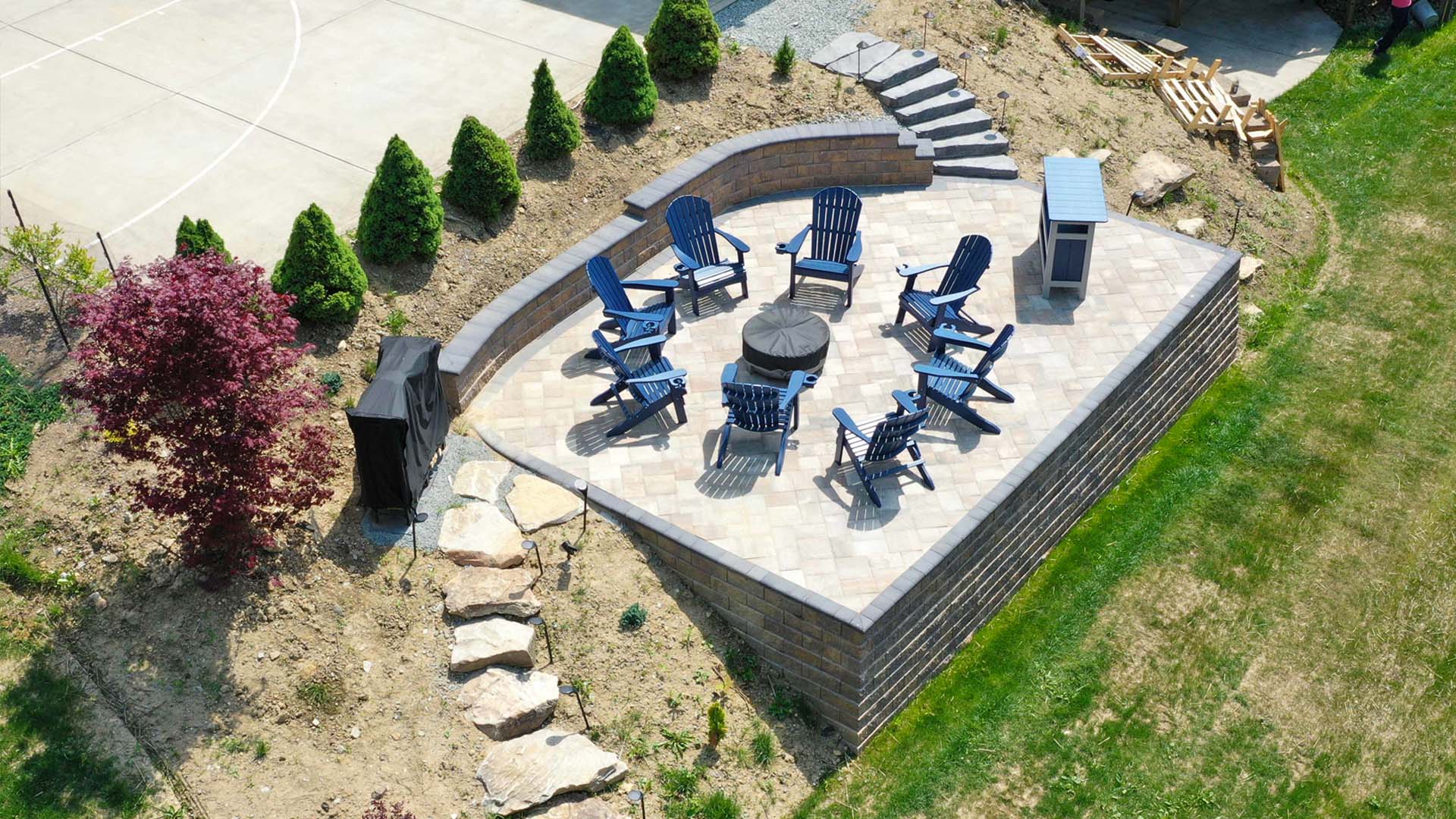
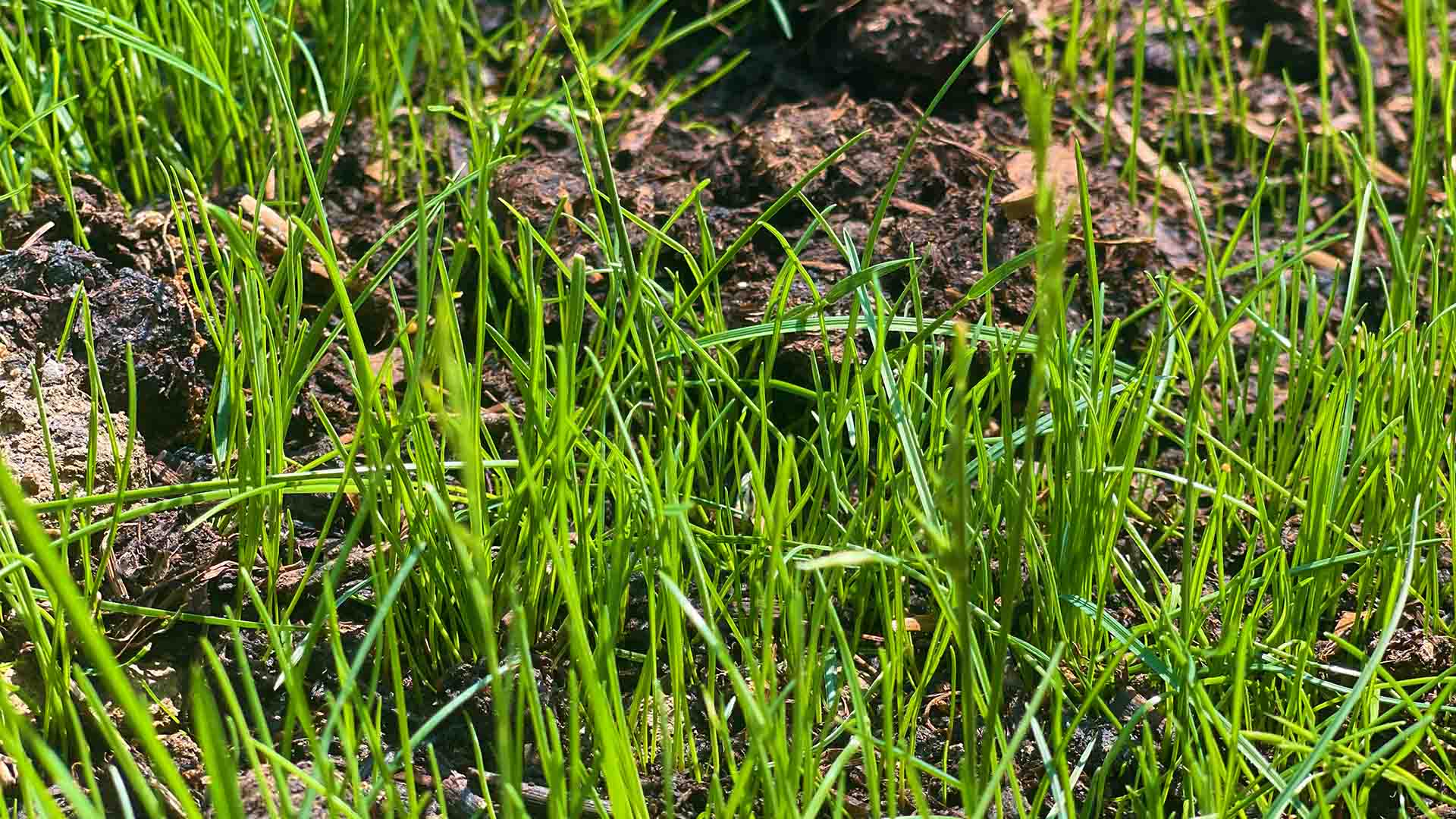
Seed that goes down late may germinate this fall or may wait for spring. Either is fine. Do not rake it up or re-seed because it looks bare in December, and do not expect green until the soil warms. Keep foot traffic, pets, and plow piles off the seeded area. On a slope, straw or an erosion blanket holds the seed in place through the rain and snowmelt, which is the main way a fall seeding fails.
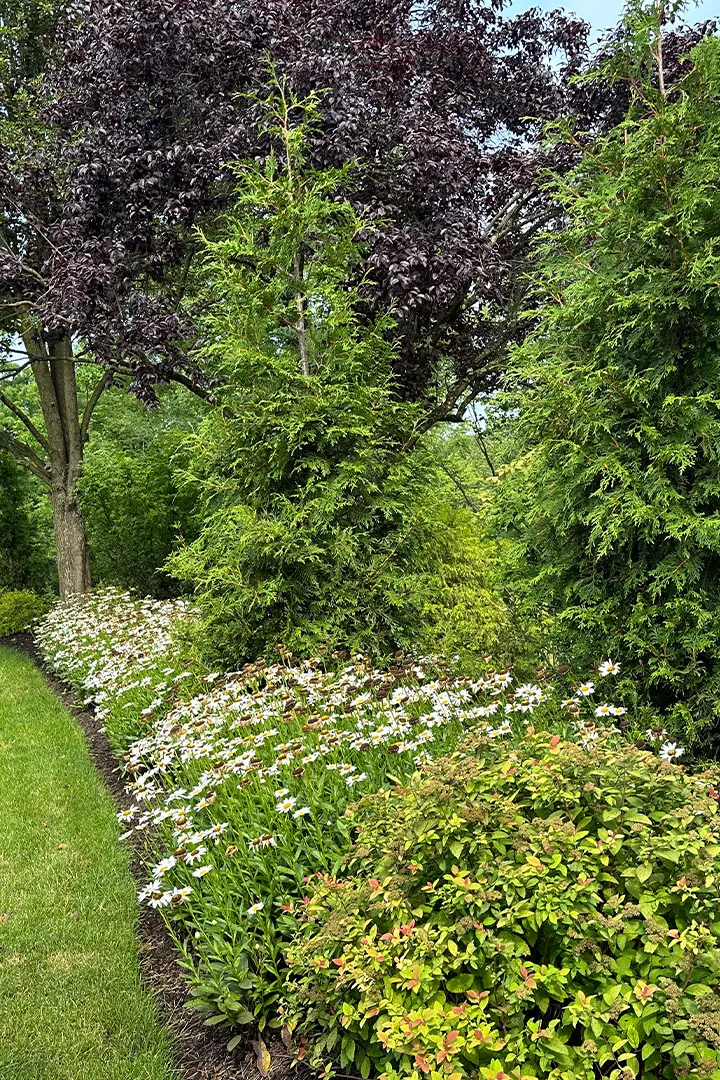
New trees and shrubs keep rooting as long as the soil is unfrozen. Water them when the weather is dry, right up to the freeze. A two to three inch layer of mulch holds moisture and evens out the temperature swings, but keep it a few inches back from the trunk or stems so it does not rot the bark.
Evergreens lose water through their needles all winter and cannot replace it from frozen ground, so a well-watered fall matters most for them. Tall new trees in an open yard may need a stake through the first winter. Do not prune new plants in fall, because the cuts stay open through the cold.
When wet snow bends a branch, brush it off gently from underneath. Do not hit the branch or pull on it, because frozen wood breaks.
Where you put the snow matters as much as how you clear it. A plow pile on a new bed packs the mulch, snaps branches, and carries salt into the soil. Plan a spot for the pile that is away from new plantings and sod. Deer browse new shrubs hard in winter, and a plant that went in this fall has not had time to toughen up. If deer come through your yard, a fence or netting around new plants is cheap compared with replacing them. Our deer-resistant plants guide covers what they tend to leave alone.
When the ground thaws, walk the yard. Sod that heaved over the winter may need to be pressed back down. Bare seeded patches can be raked lightly and reseeded. Plants that look dead in March may be dormant, so scratch a twig and look for green under the bark before you pull anything. If something we installed is not coming back, tell us and we will take a look.
We install lawns and plantings across the South Hills, including Bethel Park, Upper St. Clair, and Peters Township. For the watering schedule in the weeks after planting, see our watering guide.
Yes, as long as the sod has time to root before the ground freezes and you keep it watered until then. Sod laid very late may not root fully, so keep traffic off it through the winter.
Water them in fall whenever the weather is dry, up to the freeze. After the ground freezes, leave them alone until it thaws, then water again in dry spells.
Often yes. Seed can sit through the winter and germinate when the soil warms in spring. Keep it protected from traffic and runoff, and wait until spring before judging it.