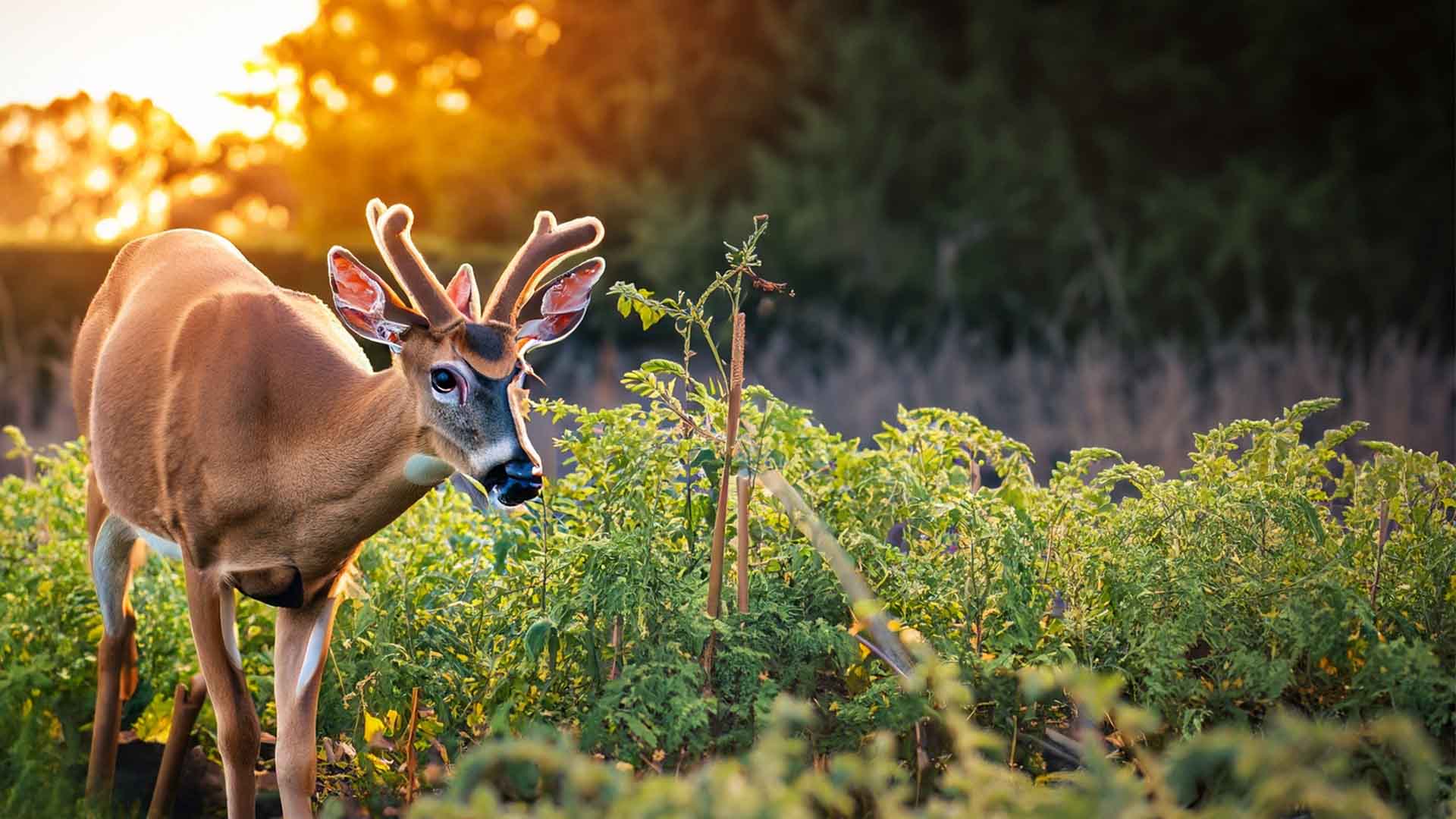
Deer pressure in the South Hills is not going away. As more hillside is cleared for new construction, deer spend more time browsing established yards, and perennial beds take the brunt of it. The fix is not a fence around every bed. It is choosing perennials deer generally leave alone in the first place, then planting them at the right time so they establish before the first hard test of a Pittsburgh winter.
This guide focuses specifically on perennials: plants that die back and return on their own every year, rather than one-season annuals. If you also want the fuller picture on shrubs, climbers, and which flowers to avoid altogether, our deer-resistant plants guide covers that ground. Here we go deeper on the perennial layer of the garden and how to combine those plants into beds that actually hold up.
Deer avoid plants for a few consistent reasons: strong fragrance, fuzzy or leathery foliage, milky sap, or a bitter taste. Most of the perennials on this list check at least one of those boxes, and because they are perennials, you are not re-fighting the same battle with new plantings every spring. Once established, they come back on their own, and a deer that has already sampled and rejected a plant tends to leave the rest of the bed alone too.
No plant is completely deer-proof. Browsing pressure changes with the season and how hungry the local herd is, especially in late winter when other food is scarce. But the perennials below are about as close to reliable as it gets in our climate, and they hold up well as a foundation planting even in years when deer are more aggressive.
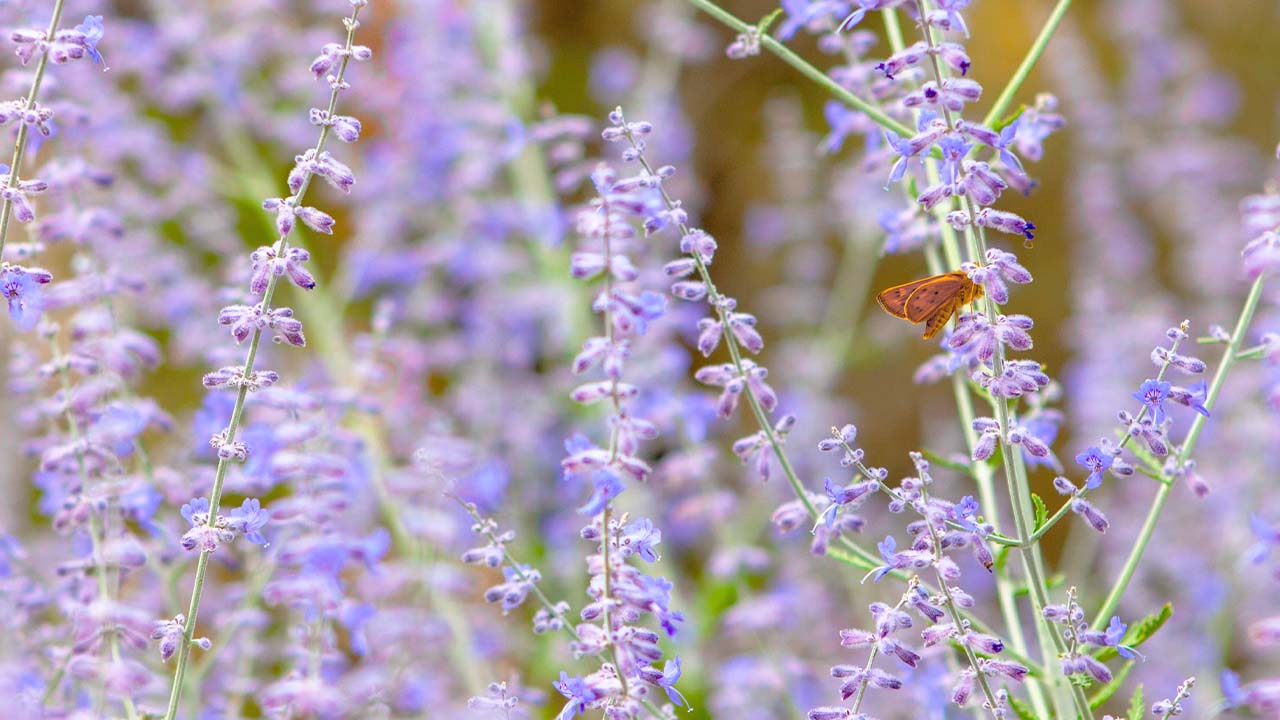
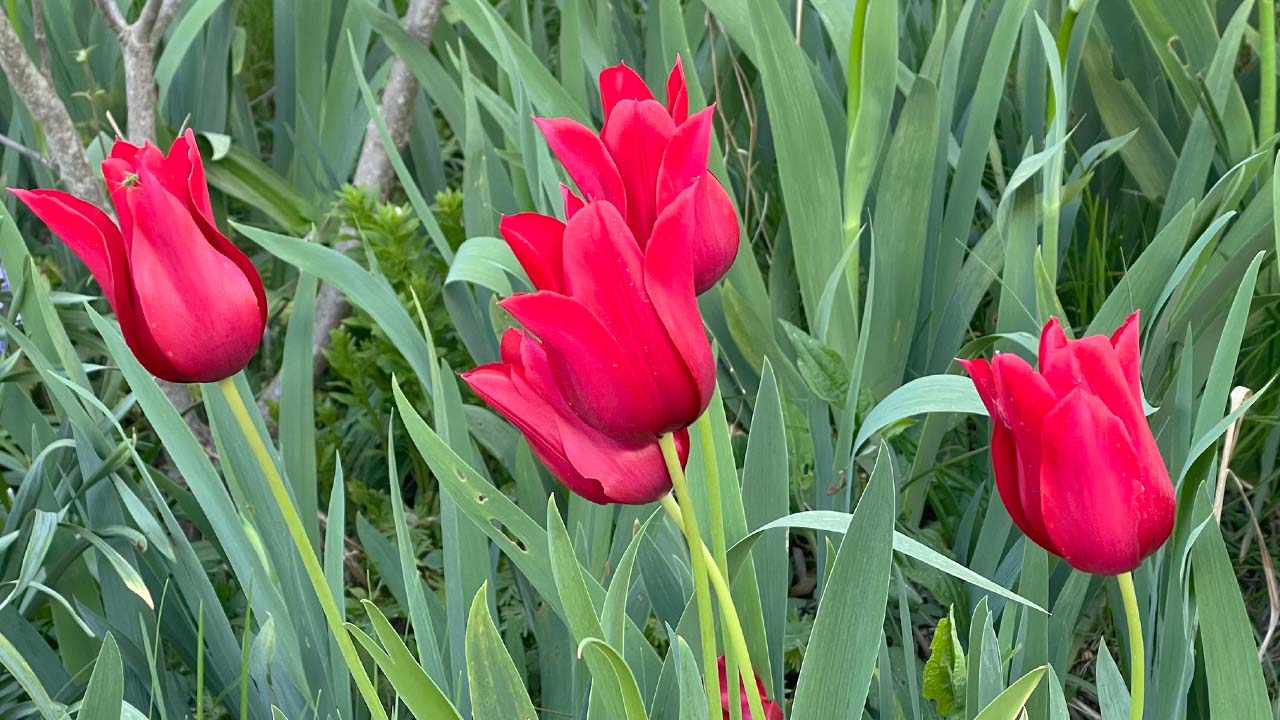
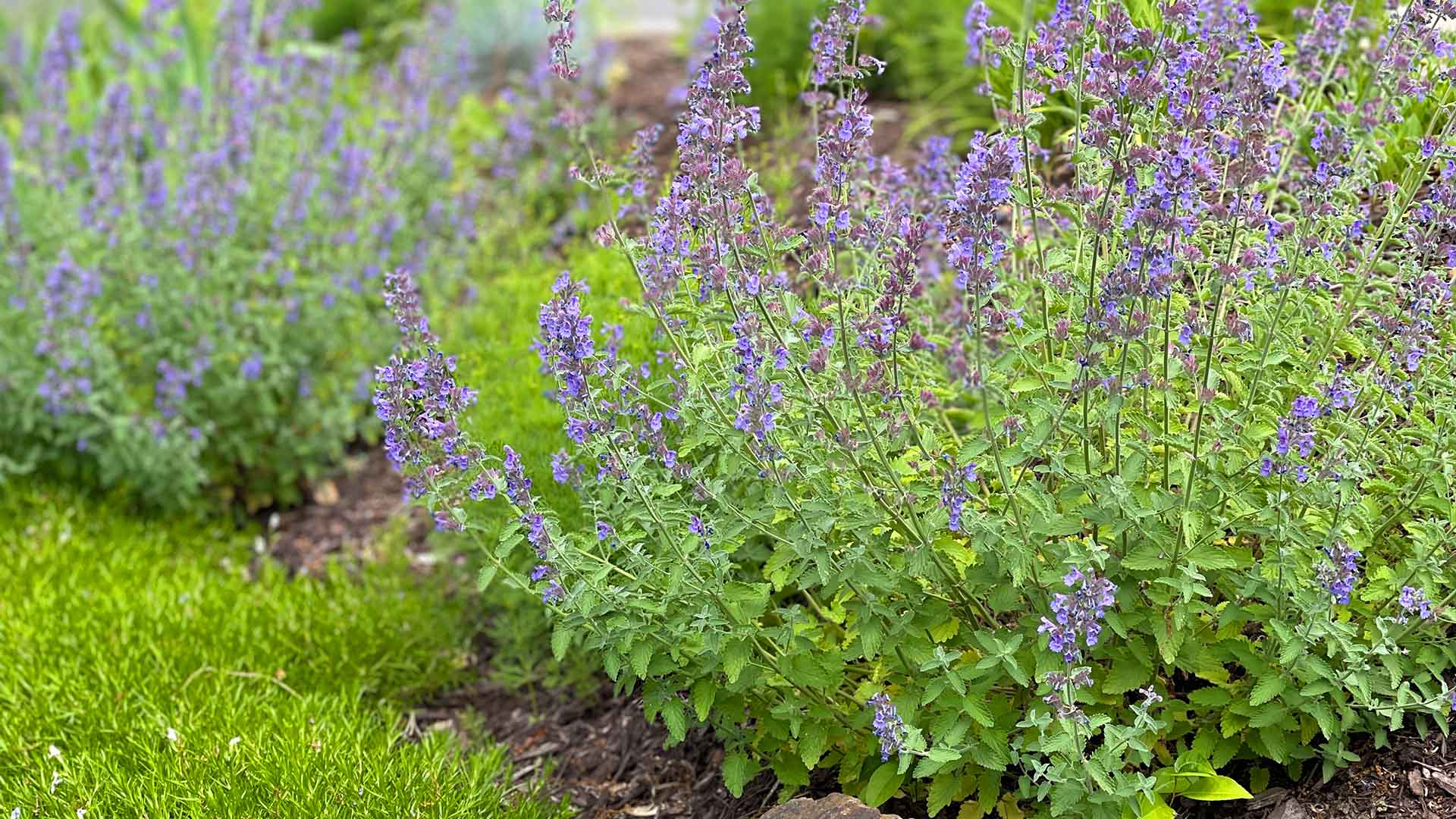
Pittsburgh's South Hills sit in USDA Zone 6a to 6b, with clay-heavy soil and a real winter freeze. These perennials are proven performers in that climate:
Penn State Extension's overview of gardening with deer is a solid reference if you want the fuller science behind why deer avoid certain plants and how browsing pressure shifts through the year.
Timing matters as much as plant choice. A perennial planted at the wrong time spends its first season struggling to establish roots instead of settling in, and a stressed young plant is more likely to get sampled by deer regardless of species.
Penn State Extension's guide to the care and maintenance of perennials is a good source for month-by-month upkeep once your beds are in.
Whichever season you plant in, water is what actually determines whether a new perennial makes it through its first year. Newly planted perennials need consistent moisture while roots establish, generally about an inch of water a week between rain and irrigation, tapering off once the plant is settled. A perennial that goes into the ground stressed and underwatered is also a more tempting, tender target for deer than one that has had a full season to toughen up.
No plant tag that promises "deer-proof" is being entirely honest. Deer behavior shifts with the season, the size of the local herd, and how much natural food is available that year. In a hard winter or a drought year, deer will sample plants they normally ignore. What the perennials on this list offer is not immunity, it is a strong statistical edge: reliably lower browsing pressure, season after season, compared to the tender, high-water, low-fragrance plants deer prefer. Pairing several of these together in one bed, rather than relying on a single "resistant" plant surrounded by everything else, is what actually holds up over time.
A bed of scattered, single specimens looks thin and takes deer longer to learn to avoid. Planting in drifts and combining textures reads as intentional and performs better against browsing:
These same design principles apply whether you are planning a full bed or filling in gaps in an existing garden. Our plants and shrubs page has the broader range of what we install across Pittsburgh's South Hills, from foundation shrubs to the perennials covered here.
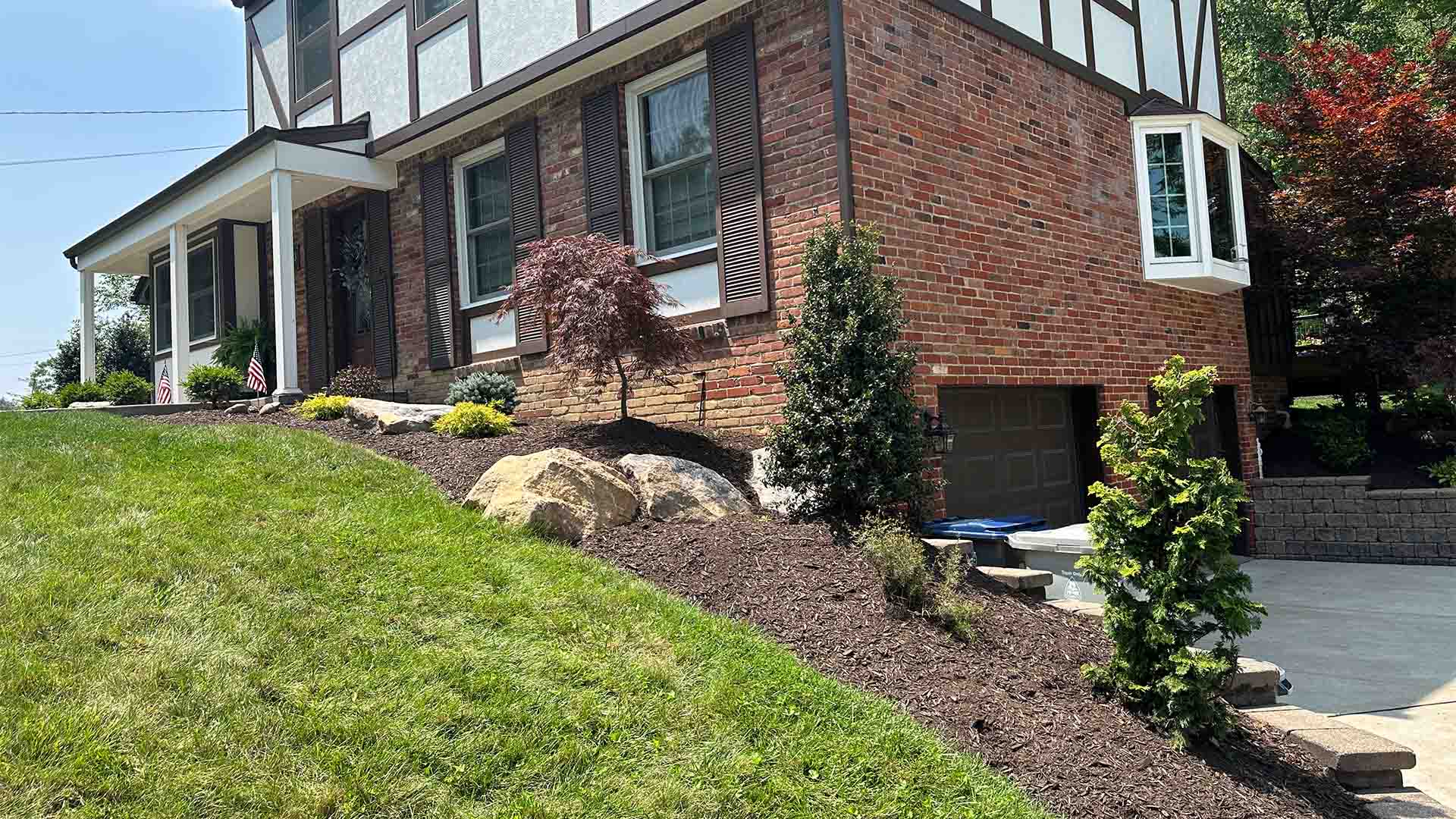
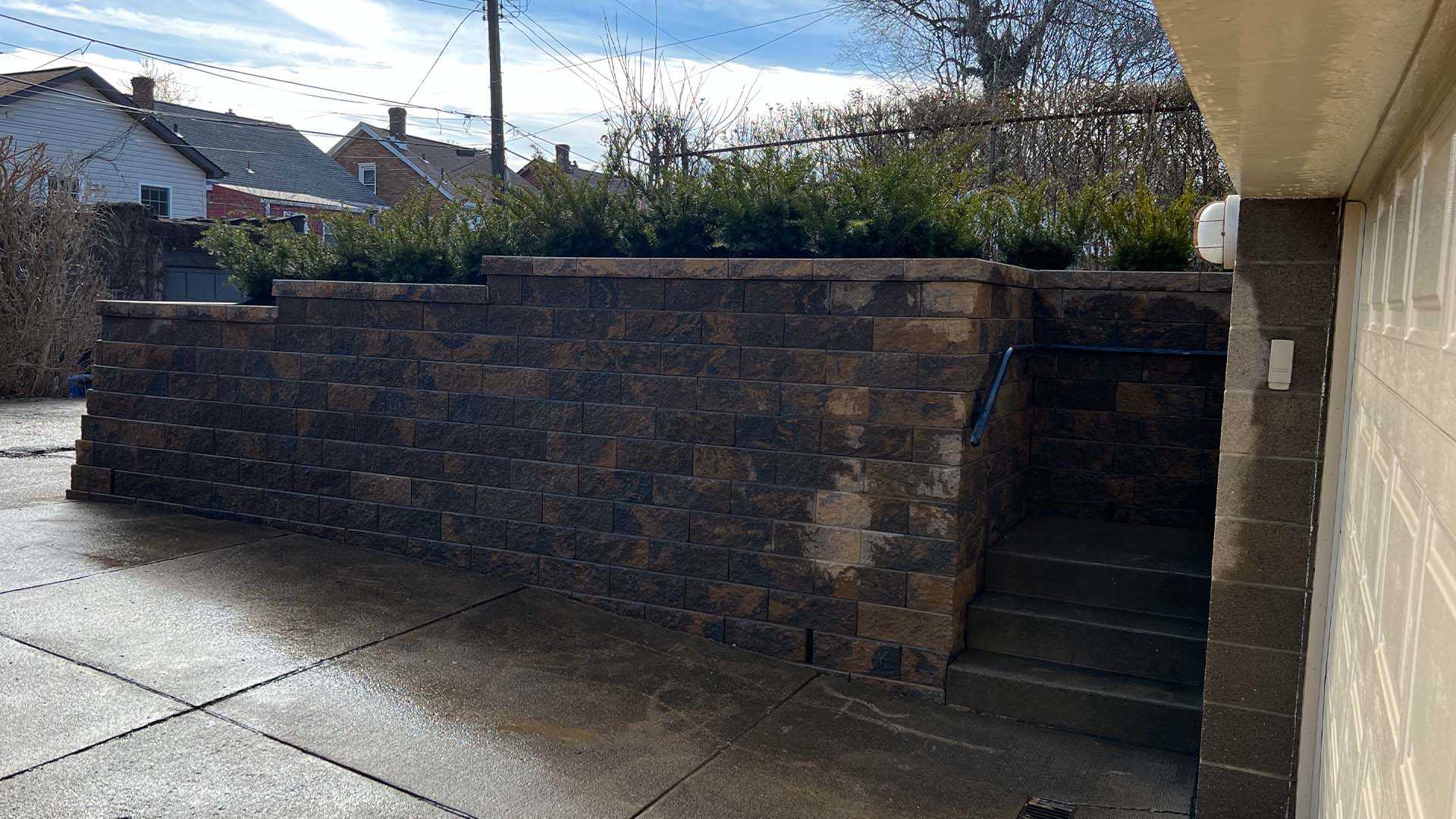
A bed built entirely of perennials dies back to bare soil for several months of the year, which is exactly when deer pressure tends to be highest. Anchoring a perennial bed with a few evergreen, deer-resistant shrubs, boxwood and dwarf spruce are common choices, keeps the bed from looking empty in winter and gives deer even less reason to investigate. The perennials then fill in around that structure each spring and take the bed from a simple green backdrop to something that blooms through most of the growing season.
Choosing plants deer tend to avoid is the single best lever for a garden that survives browsing season after season, but the right combination depends on your yard's sun, soil, and existing deer pressure. Reach out through our contact page and we can walk the property and put together a perennial planting plan built for your site and Pittsburgh's Zone 6a/6b climate.