
Most of the hills we plant around the South Hills start out the same way: too steep to mow, full of weeds, and slowly washing downhill. My answer is almost always evergreens. Here's what we plant on slopes and why.
Blue rug juniper is my go-to for a hill. It stays low, it spreads, and it holds up better than leafy groundcovers. Russian cypress and other low, spreading evergreens work too.
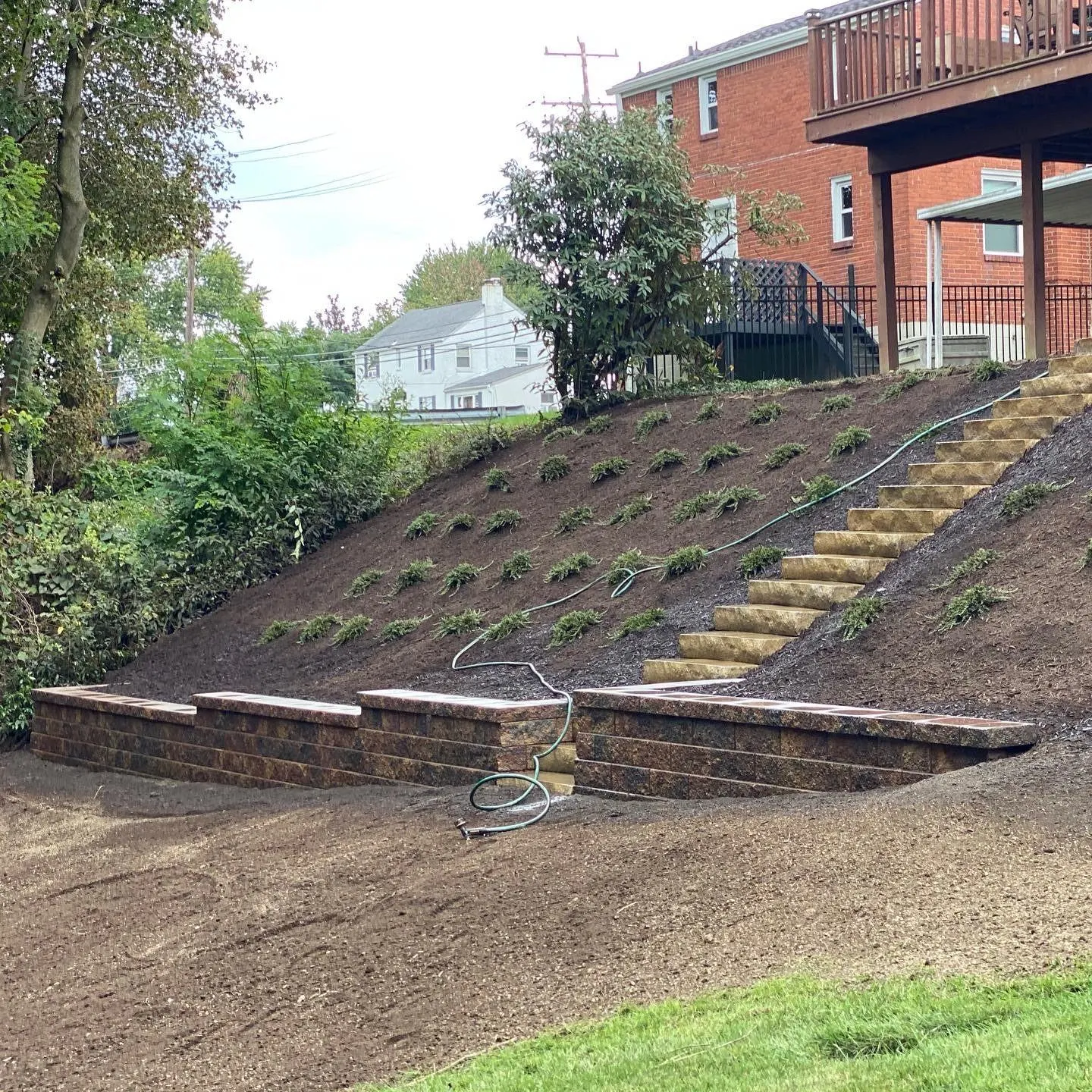
In Pleasant Hills we had a hillside that was an eroding mess of weeds, with a few plants that had died off over the years and a wood wall at the bottom that was rotting out. We replaced the wall with Versa-Lok, rebuilt the steps down to the lower yard, and planted the whole slope above it in blue rug juniper. The owners wanted it as easy as possible. They never wanted to climb that hill to trim or weed. Three or four years later it's one giant sea of blue rug. It doesn't even need mulch anymore.
Gold star juniper, gold lace juniper, nest spruce and dwarf globe blue spruce all stay full right down to the ground. They take up space along the bottom of the hill, and weeds have a hard time growing underneath them.
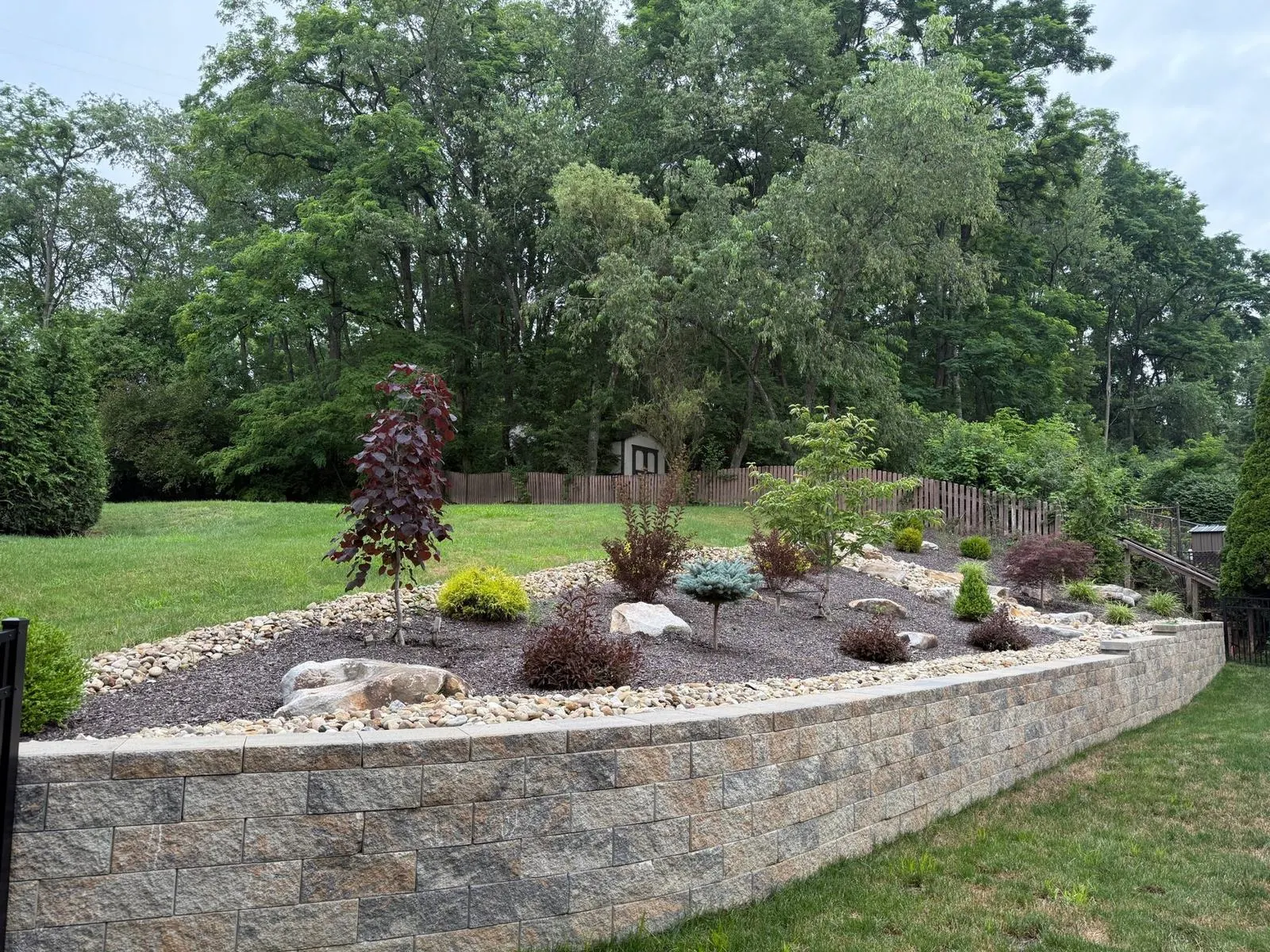
A hill of nothing but groundcover can look flat, so we mix in a few things that rise up out of it: some flowering shrubs, a dwarf Japanese maple, a dogwood or a redbud. In Upper St. Clair we planted a redbud, a dogwood, a Japanese maple and dwarf globe blue spruce above a retaining wall, with a little stream of river rock running through the mulch.
Ivy, myrtle and patches of flowers still have a place on a hill. I just wouldn't fill a whole hillside around here with them. They don't hold back weeds the way evergreens do, and you'll be weeding for years while they fill in.
Same with a hill full of plants that drop their leaves. In the spring the weeds come up before your plants have filled back in, and the hill gets taken over. Evergreens don't leave that gap.
Whatever you plant, somebody has to get up that hill to take care of it. Shrubs that need trimming and ornamental grasses that get cut down every fall are a lot harder on a slope. Either you're able to do that yourself, or you're paying someone to do it.
Unless your yard is fenced, plan on deer, especially in winter when snow covers everything else. The evergreen groundcovers with firmer needles hold up better than the soft ones, and blue rug juniper is pretty deer resistant. Deer will eat ivy and myrtle when there's nothing else around.
They usually leave alone lavender, catmint, dwarf globe blue spruce, gold star juniper, dwarf butterfly bush and other small flowering shrubs.
| Plant | Job on the hill | Notes |
|---|---|---|
| Blue rug juniper | Low evergreen groundcover | Our go-to. Pretty deer resistant. Can cover a hill in 3-4 years. |
| Russian cypress | Low evergreen groundcover | Another spreading evergreen option. |
| Gold star juniper | Mid-height evergreen | Full at the bottom. Deer usually leave it alone. |
| Gold lace juniper | Mid-height evergreen | Full at the bottom, gold color. |
| Nest spruce | Mid-height evergreen | Low, wide and dense. |
| Dwarf globe blue spruce | Mid-height evergreen | Blue color. Deer usually leave it alone. |
| Dwarf Japanese maple | Color and height | Rises up out of the groundcover. |
| Dogwood, redbud | Small trees | Spring flowers and height. |
| Lavender, catmint | Flowers | Fragrant. Deer usually leave them alone. |
| Dwarf butterfly bush | Flowering shrub | Small. Deer usually leave it alone. |
| Ivy, myrtle | Accent groundcover | Mix in patches. Deer eat them when food is short. |
| Spartan juniper, blue point juniper | Screen at the back of the bed | Grow into the teens of feet tall. Hide the part of the hill you don't landscape. |
Water new plants every day it doesn't rain at first. After that it depends on the plant and the weather. If the leaves look wilted, dry or crispy, water more. If the hill is in full sun and it's hot and dry, water more. If it's cool and rainy in the spring or fall, water less.
The best waterers are the people who watch their plants and adjust. Watering 20 minutes every single day no matter what can overwater them, and it makes them less drought tolerant because they get used to it.
We can do the whole thing or just the hard parts. Some people clear the hill themselves and we plant and mulch it. Some even plant it themselves, and we come out and blow mulch around their plants. If you can't clear the hill or haul away the debris, that's the part to hand off. Send us a photo and we'll talk it through.
Thinking about a wall instead? Read Hillside Planting or a Retaining Wall: Which Does Your Slope Need?




From the blog
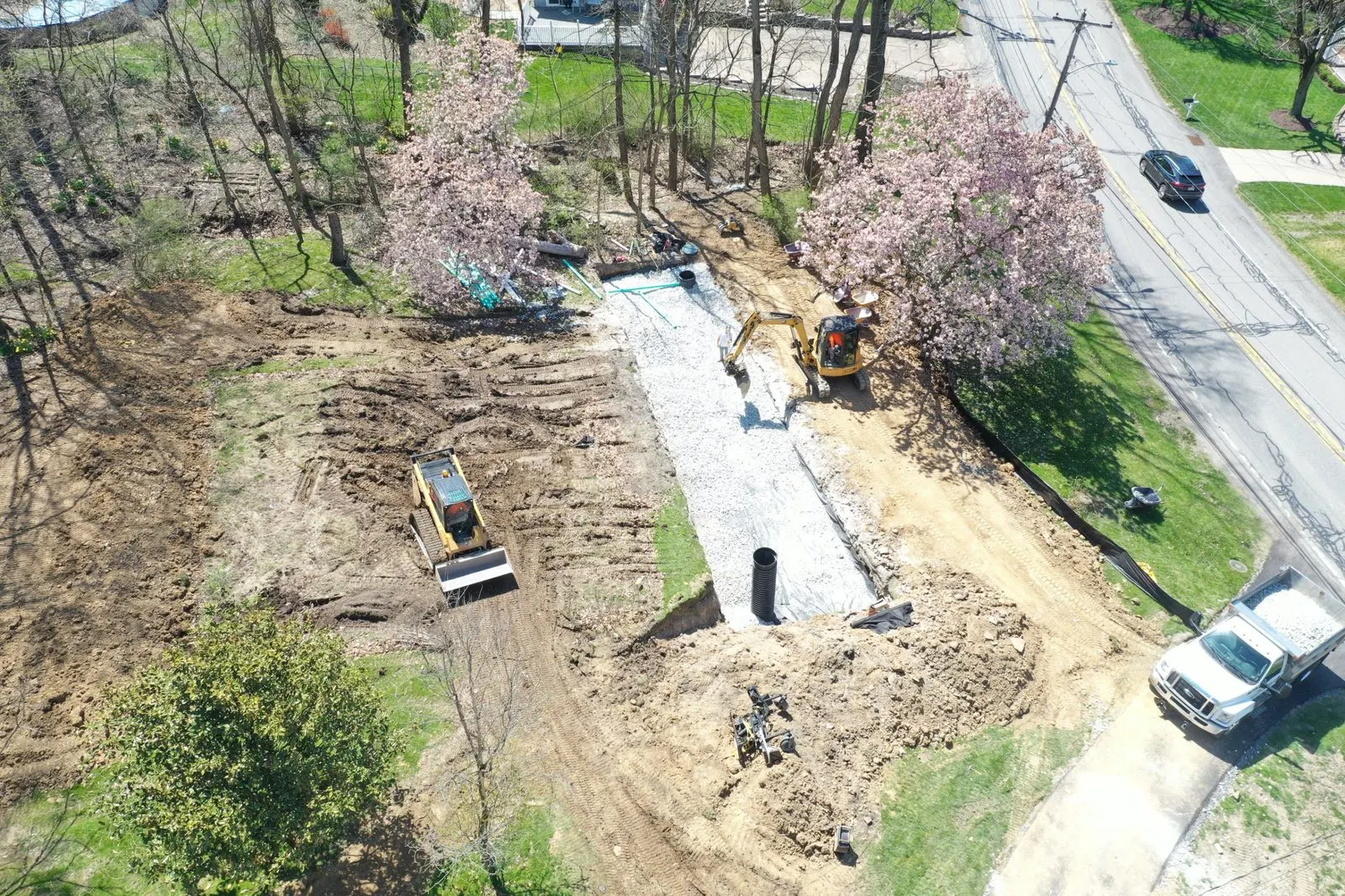 Why Is My Yard Always Soggy?
Clay soil, low spots, water from next door and old downspout lines. Why yards around Pittsburgh stay soggy after rain, and how to fix it.
Read the article
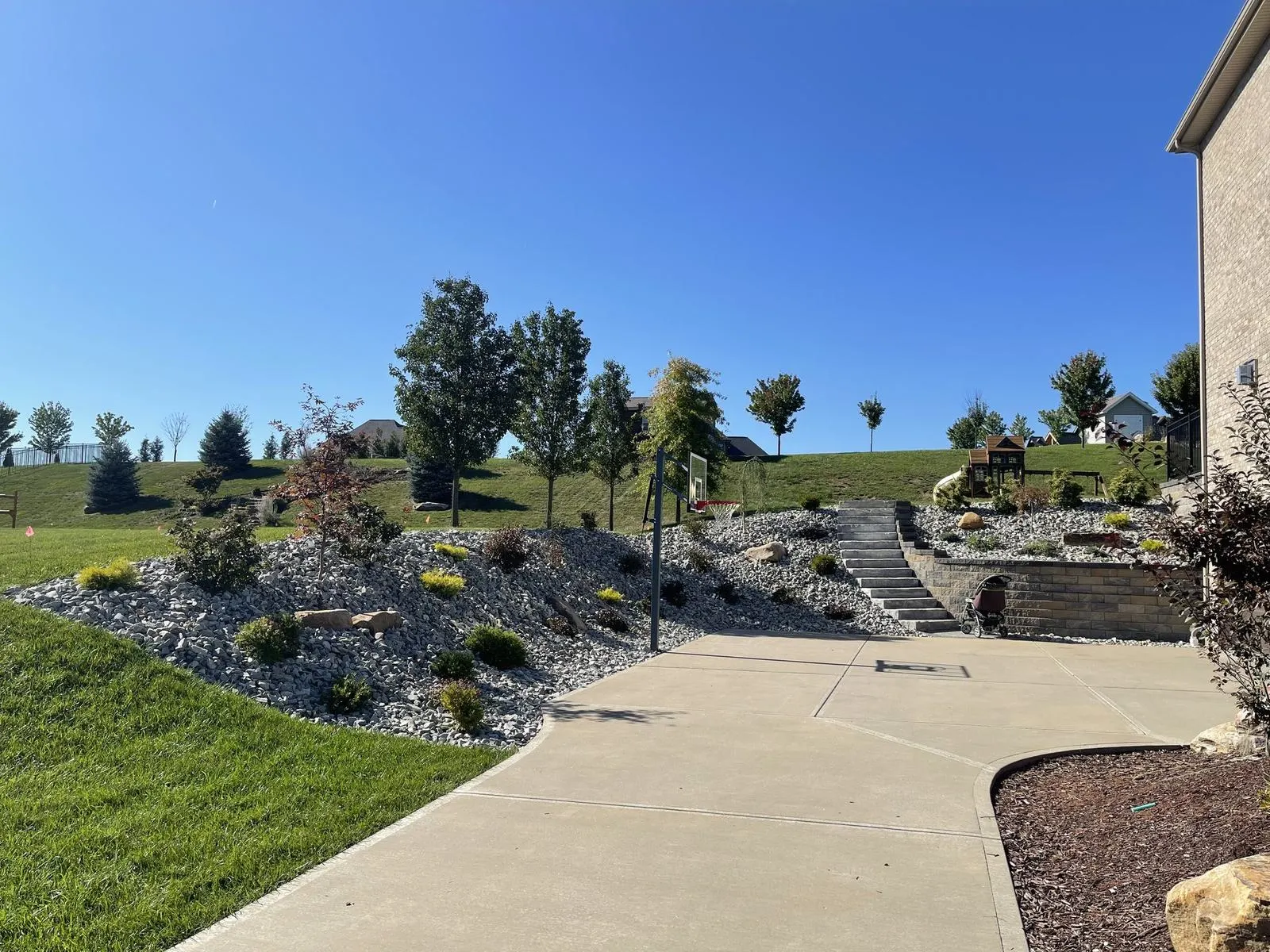 Hillside Planting or a Retaining Wall?
If you need more flat yard, build the wall. If you just want the hill to look good and stop washing away, you probably don't need one.
Read the article
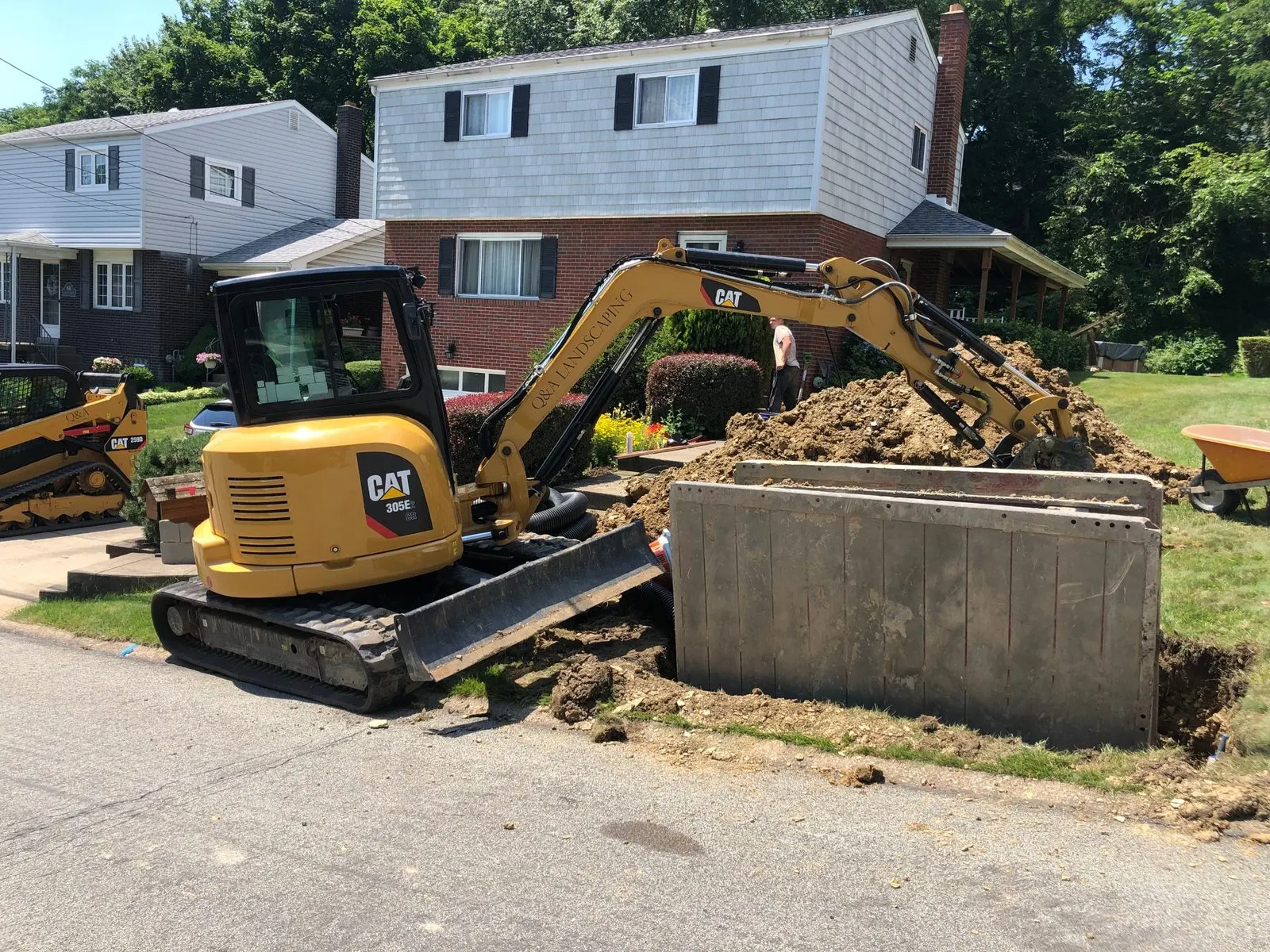 French Drain Cost in Pittsburgh
Most French drains we install in the South Hills cost about $5,000 to $12,000. How we build them and how long they last.
Read the article
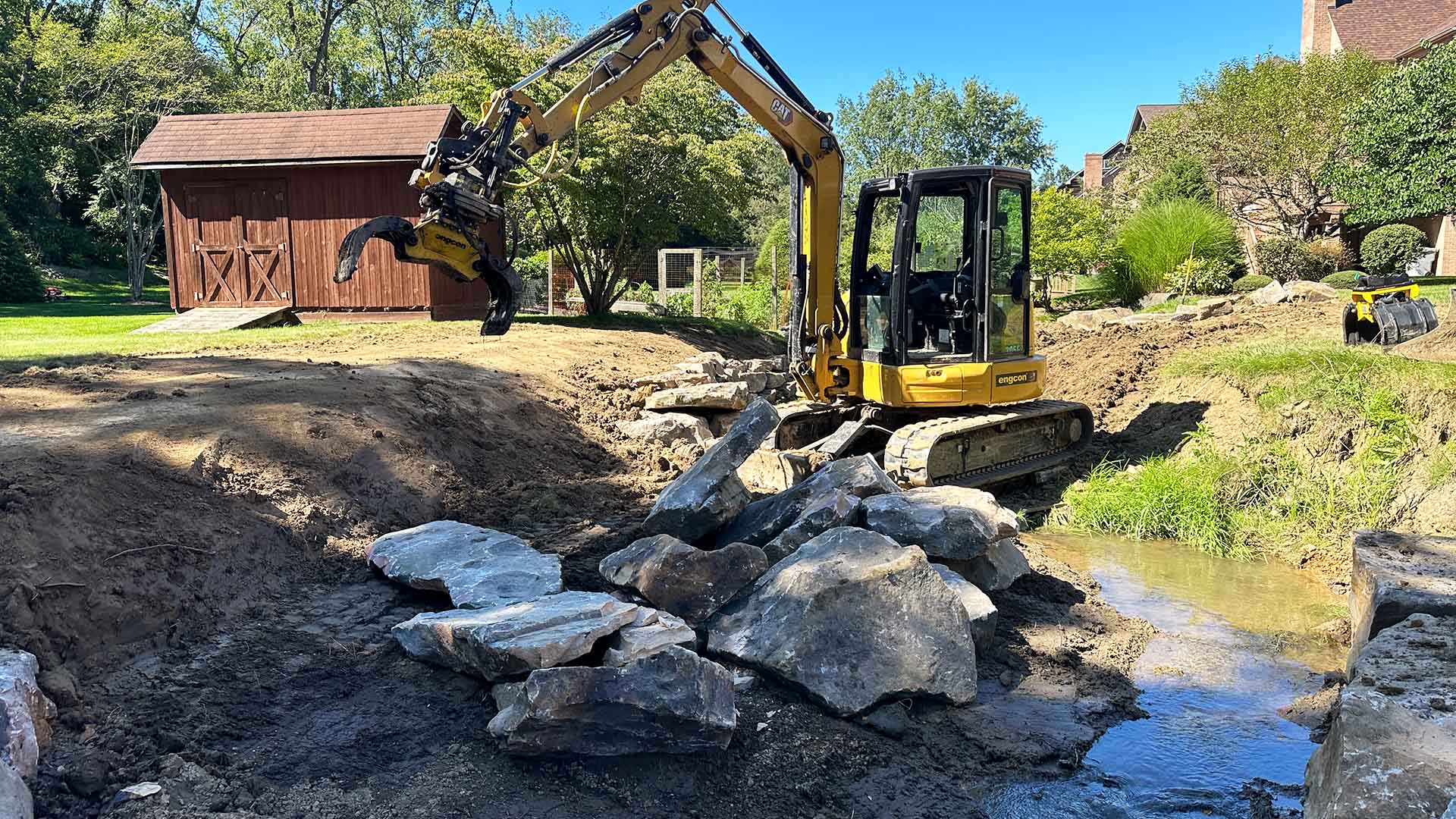 Hillside Landscaping: What Holds a Slope
Water, soil, and a good base decide whether a slope stays put. Here is how walls, boulders, and stone work on South Hills hillsides.
Read the article
 Protecting New Sod, Seed and Plantings Over Winter
What a new lawn and new plants need to get through their first Pittsburgh winter, and what to check when the ground thaws.
Read the article
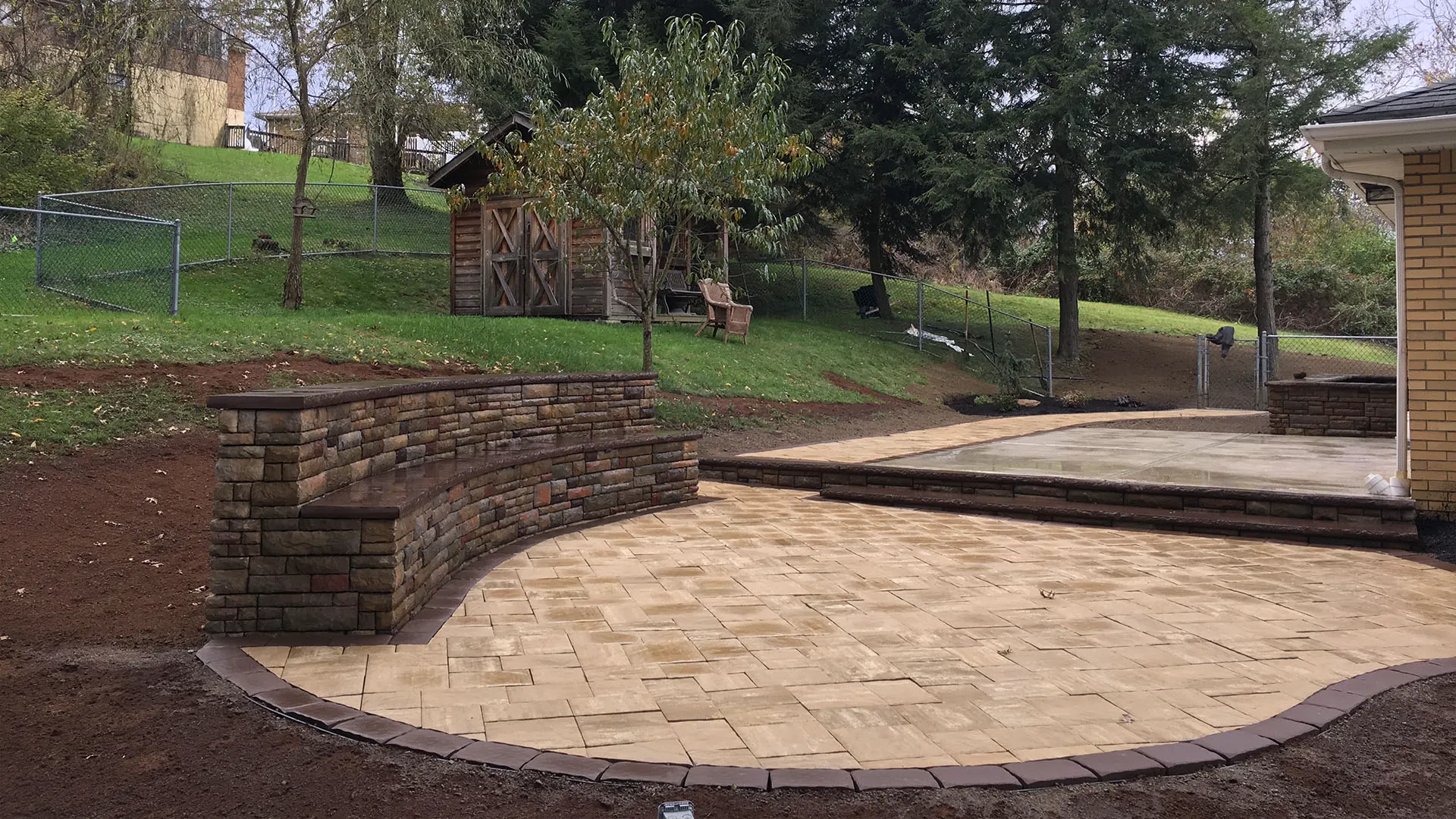 Rock Salt and Pavers: Winter Care
How salt, snow piles, and ice affect patios, walls, and steps in a Pittsburgh winter, and what to do instead.
Read the article
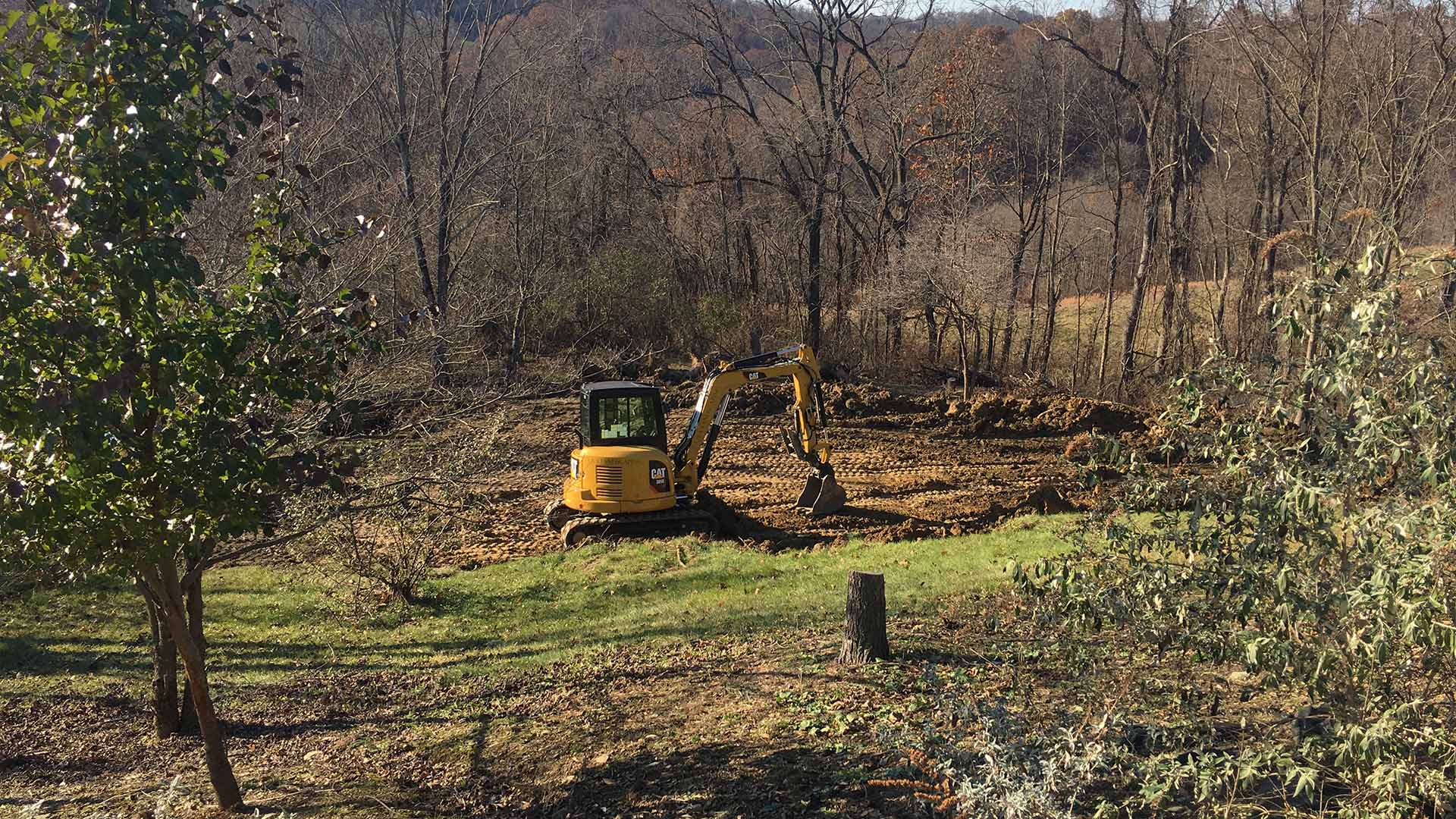 Six Signs Your Yard Needs Drainage Work
Standing water and soft ground are the early ones. Here are six signs to watch for on a South Hills property, and what to do about them.
Read the article
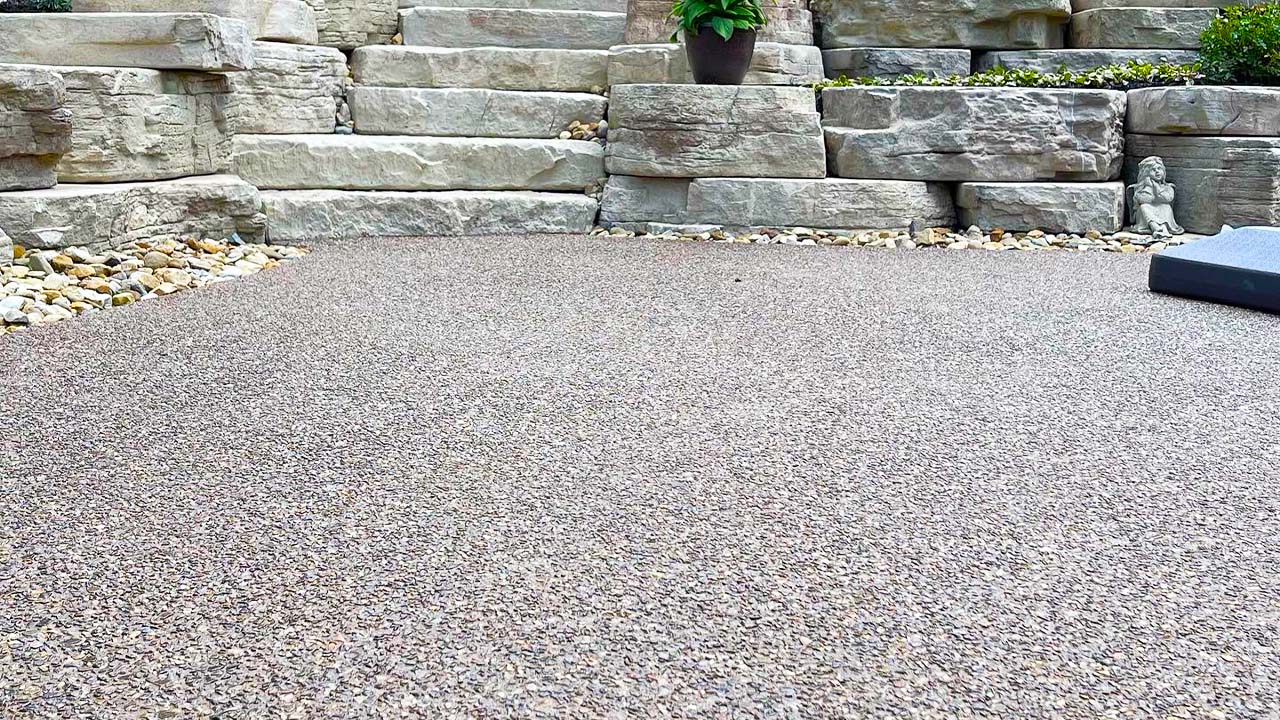 Pavers, Exposed Aggregate, or Stamped Concrete
Three good patio surfaces, and Pittsburgh winters treat them differently. Here is how they compare on freeze-thaw, repair, look, and price.
Read the article