
When someone calls and tells me their yard is always soggy, even days after a rain, what's usually going on is simple: the water is trapped. It has nowhere to go, or it's taking too long to get where it needs to go.
Not draining at all or draining very slowly, either way the yard ends up mushy, muddy and unusable.
Go outside during a big rain and look at the spots where the aluminum downspout goes into the pipe in the ground. Watch for:
If you think a buried line is clogged or broken, my advice is to have a sewer or drain cleaning company jet the lines, run a camera through them and mark where they go first. Some companies around here will clean your sewer and downspout lines for one flat rate. As soon as you start digging holes in your yard, it costs a lot more money. Once you know where the problem is, you fix just that section. I would not recommend chasing the problem with an excavator unless you already know you need a whole new system.
The water also needs a place to go: a lower spot in the lawn, a pop-up emitter, the storm sewer, or a dry well. And one rule always applies: you don't send water towards your neighbor.
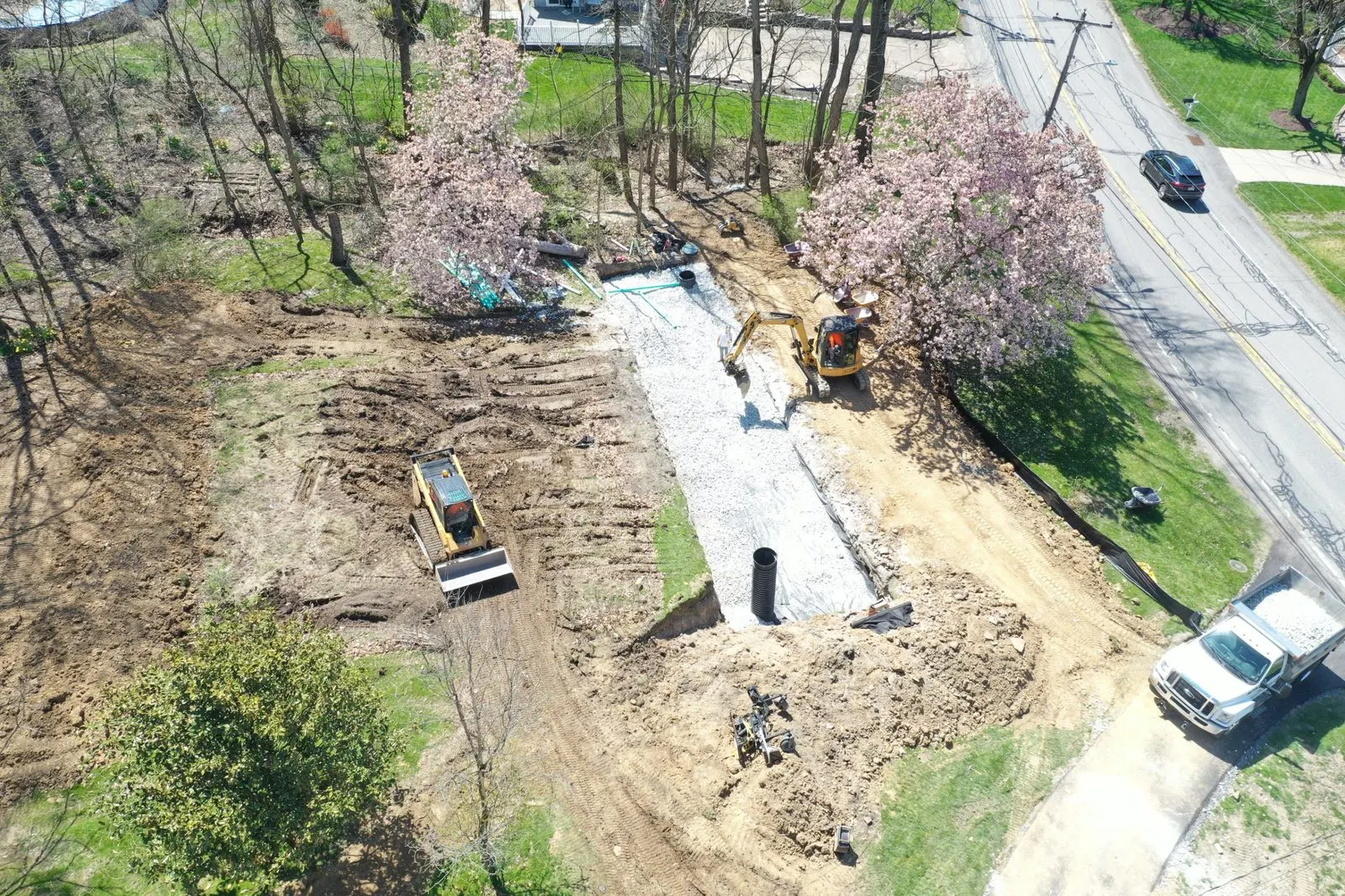
A yard drain can cut down the surface water reaching your house and keep it from collecting along the foundation. That helps when your foundation is in good shape and you're just getting too much water against it.
But it won't seal your walls. If you see cracks, shifting or holes in the foundation, that's a job for a waterproofing or foundation company.
Sometimes. If there's an easy, lower spot close by to send the water to, and you can dig a trench deep enough for the pipe, it can work. Where I see DIY drains fail: they're too shallow, they're not in the lowest part of the yard so water rolls over them, or they're low-dig surface products that don't catch enough water. Downspout extenders that don't carry water far enough from the house are another one we replace a lot.
If your yard stays wet days after a rain, call us at 412-337-1039 or request an estimate on our yard drainage page. For what a drain costs and how we build one, see the French drain post. Tell us where the water sits, and send a photo or video from the last storm if you have one. I'll walk the yard with you and show you where the water is coming from and where we can take it.




From the blog
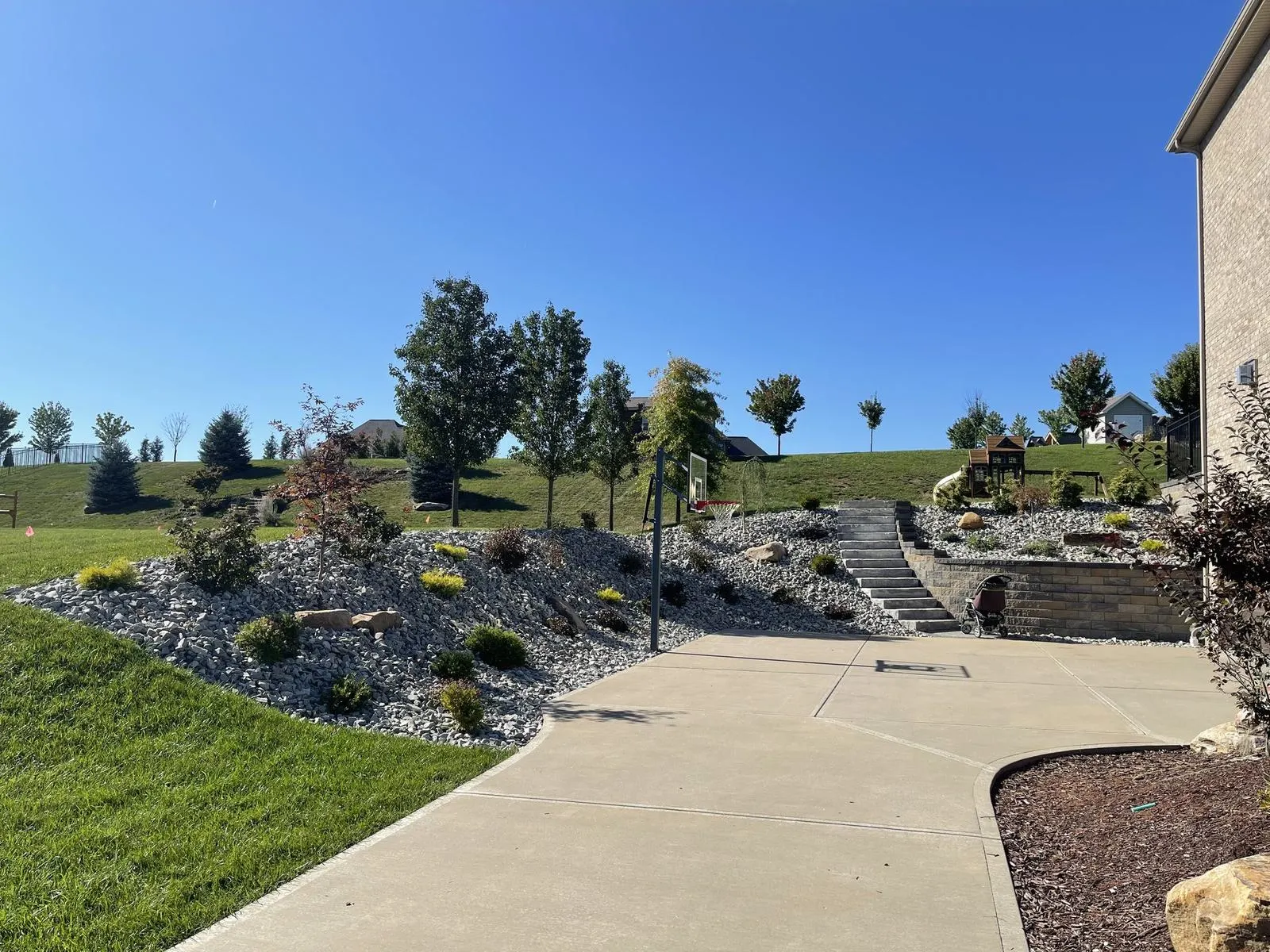 Hillside Planting or a Retaining Wall?
If you need more flat yard, build the wall. If you just want the hill to look good and stop washing away, you probably don't need one.
Read the article
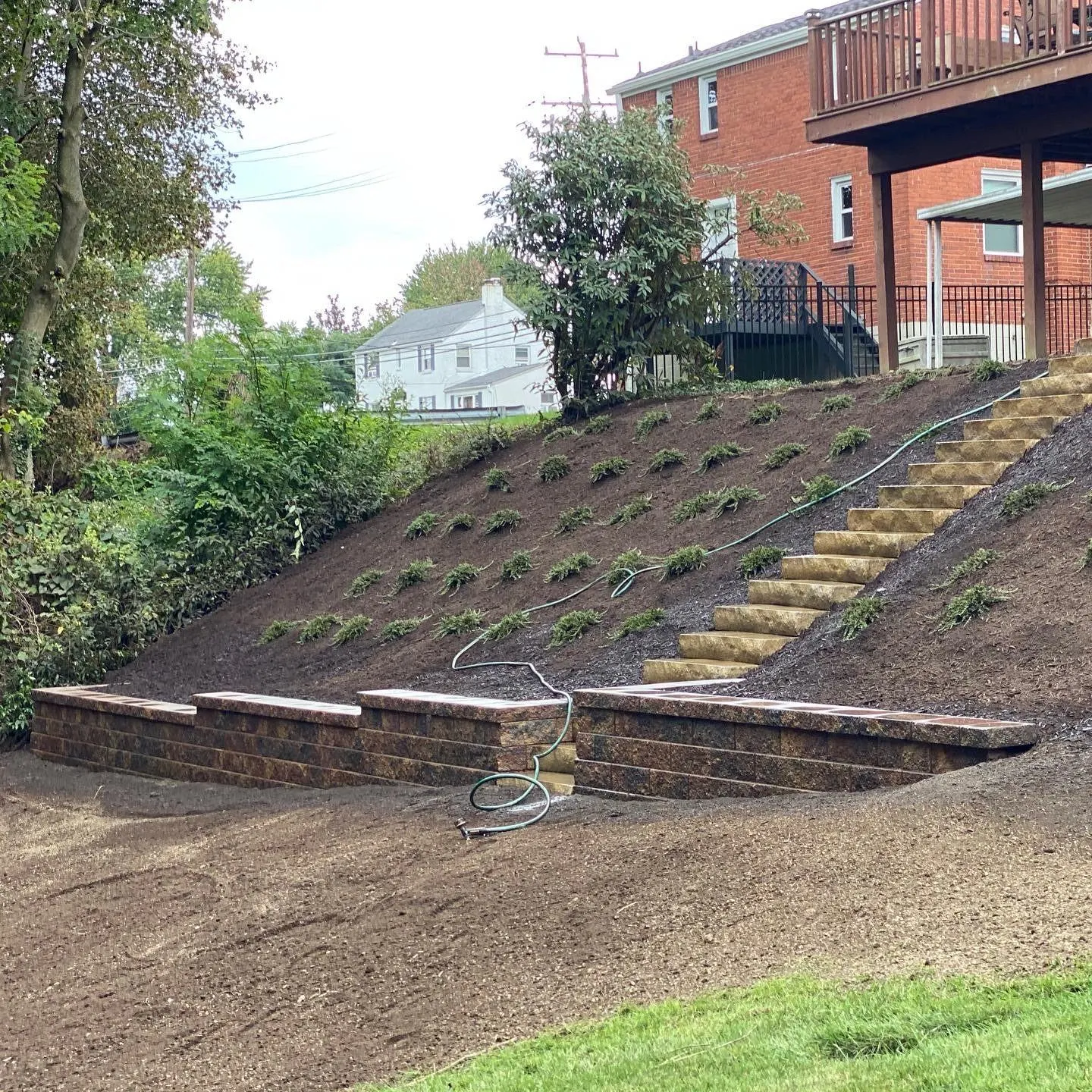 What to Plant on a Steep Hill
Most hills we plant start out too steep to mow, full of weeds, and slowly washing downhill. My answer is almost always evergreens.
Read the article
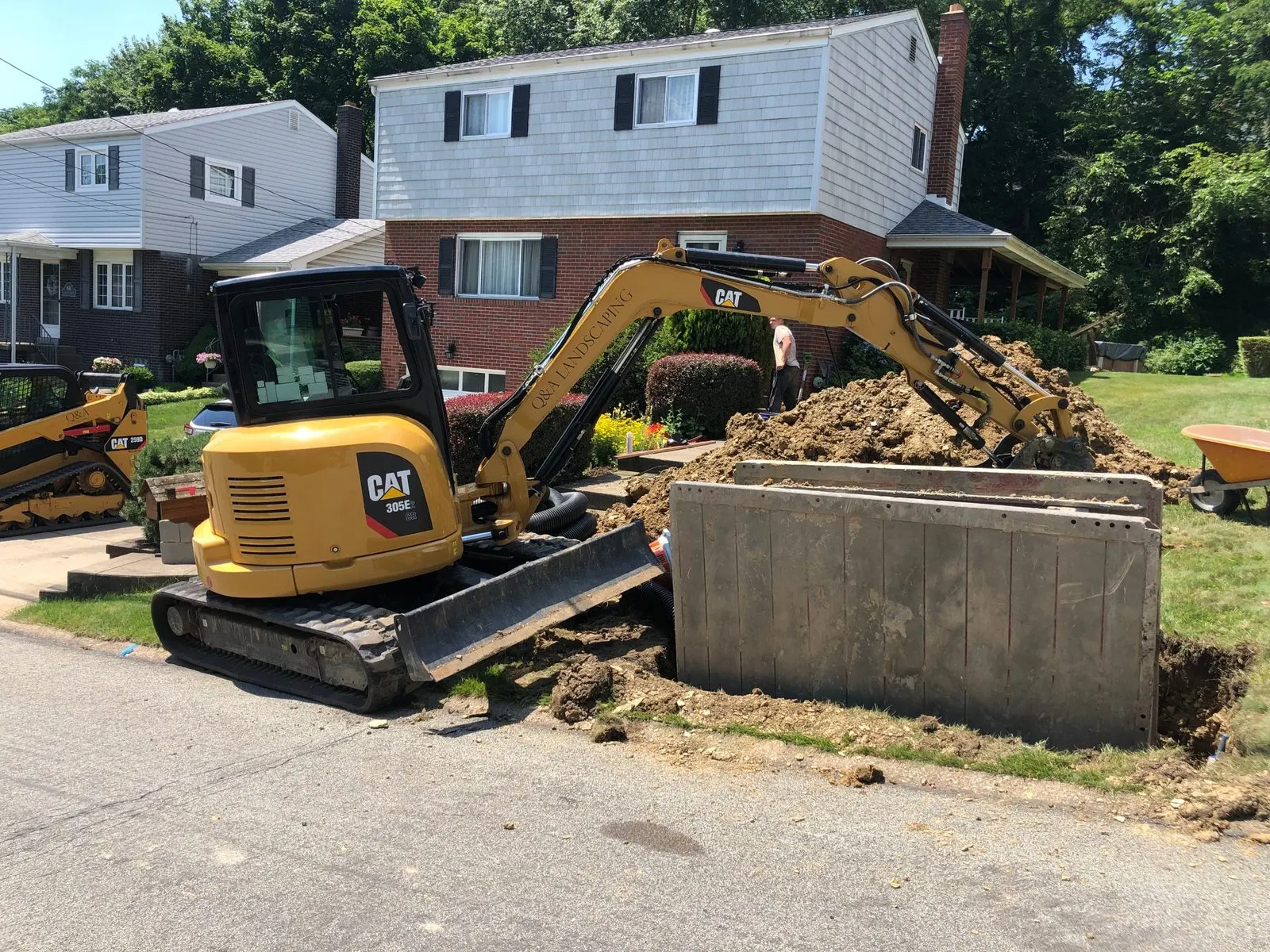 French Drain Cost in Pittsburgh
Most French drains we install in the South Hills cost about $5,000 to $12,000. How we build them and how long they last.
Read the article
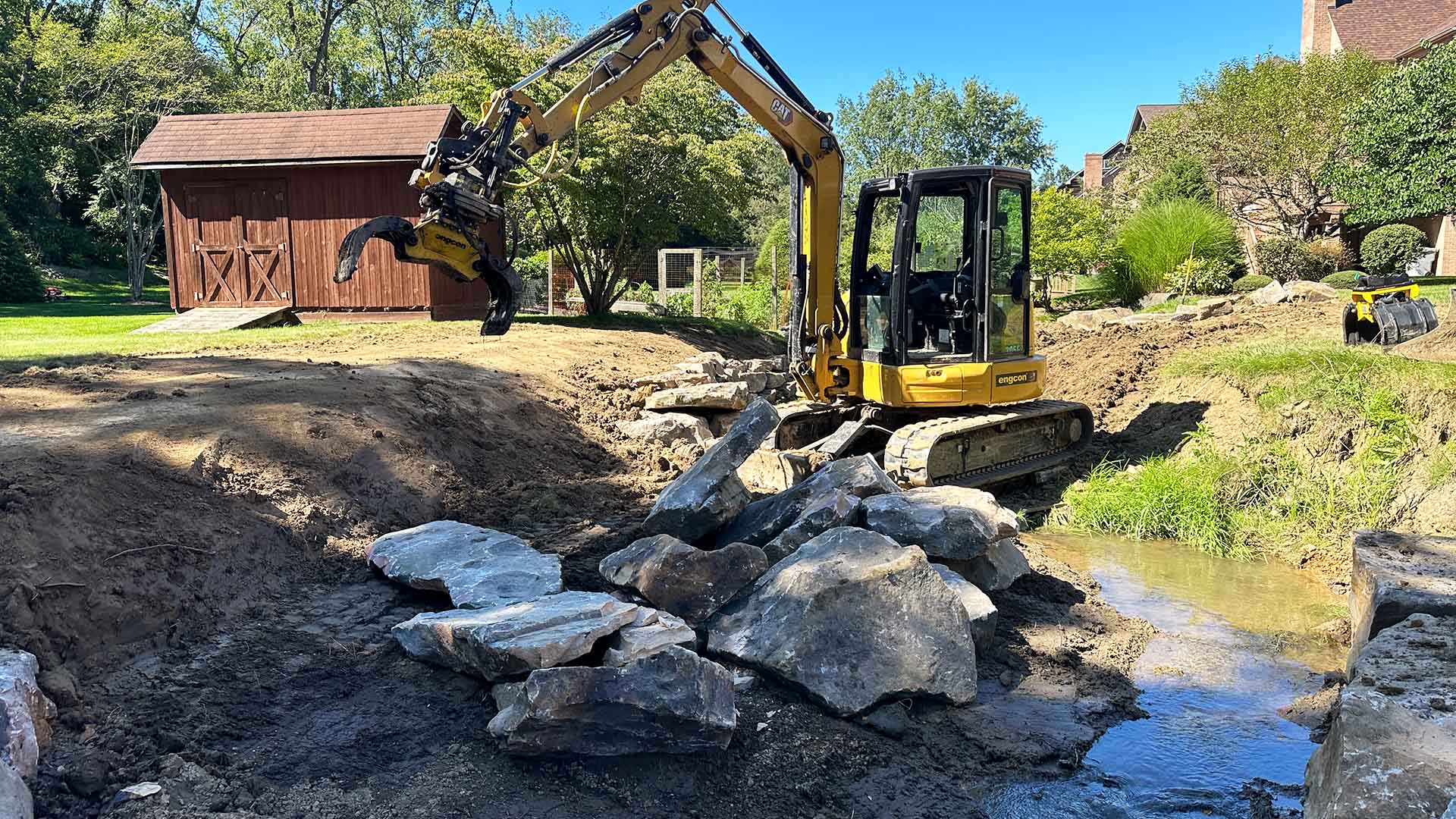 Hillside Landscaping: What Holds a Slope
Water, soil, and a good base decide whether a slope stays put. Here is how walls, boulders, and stone work on South Hills hillsides.
Read the article
 Protecting New Sod, Seed and Plantings Over Winter
What a new lawn and new plants need to get through their first Pittsburgh winter, and what to check when the ground thaws.
Read the article
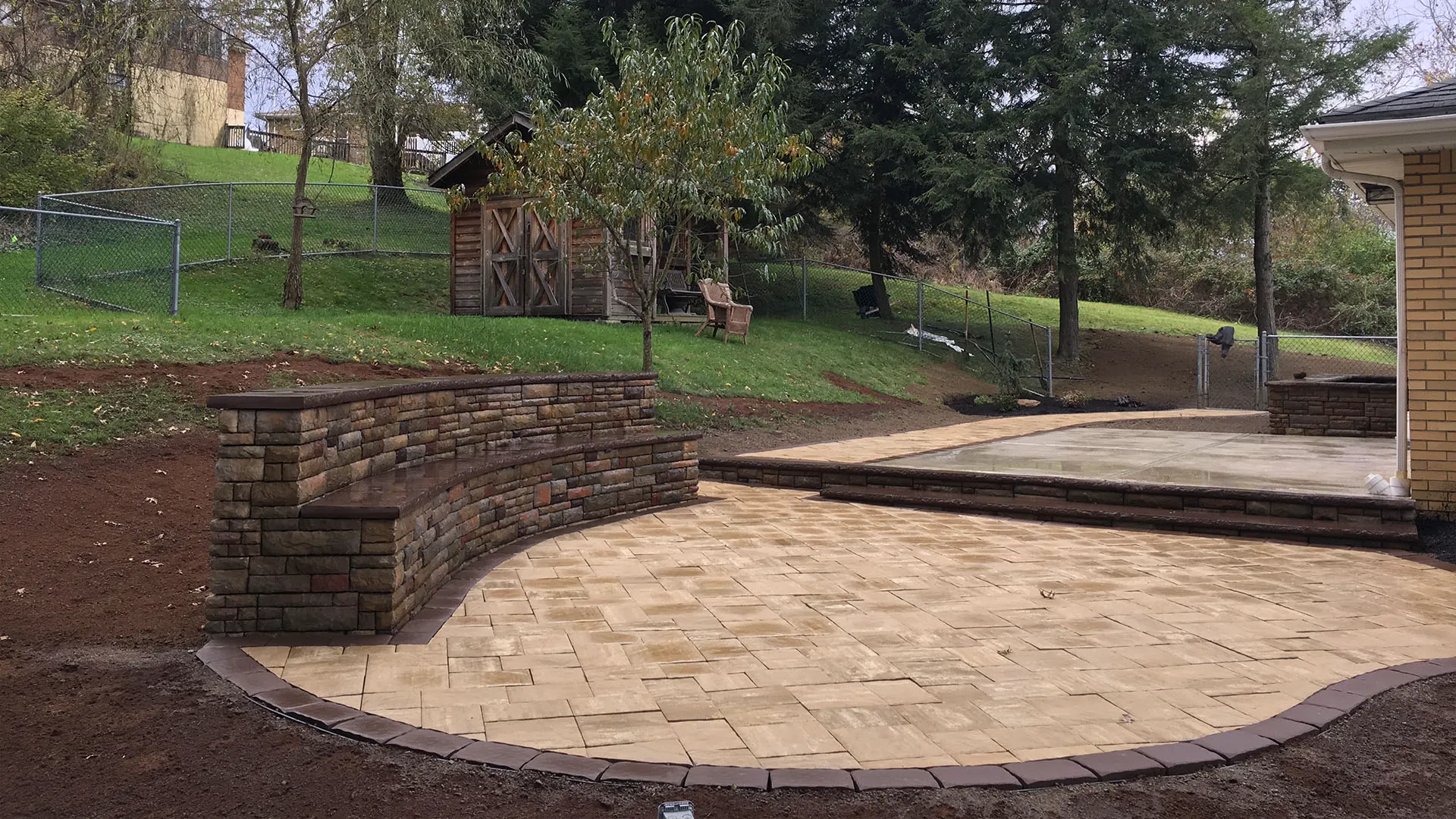 Rock Salt and Pavers: Winter Care
How salt, snow piles, and ice affect patios, walls, and steps in a Pittsburgh winter, and what to do instead.
Read the article
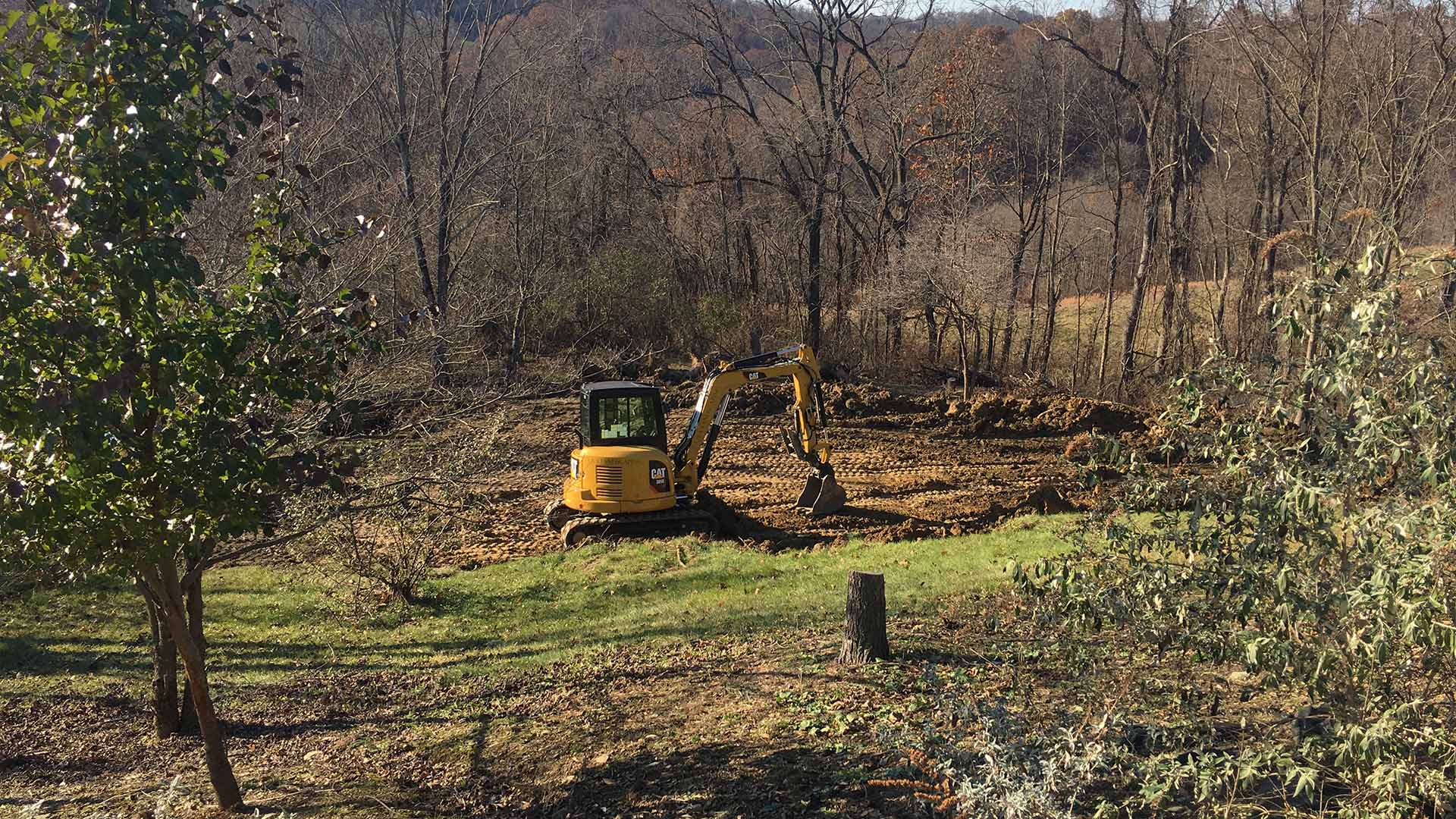 Six Signs Your Yard Needs Drainage Work
Standing water and soft ground are the early ones. Here are six signs to watch for on a South Hills property, and what to do about them.
Read the article
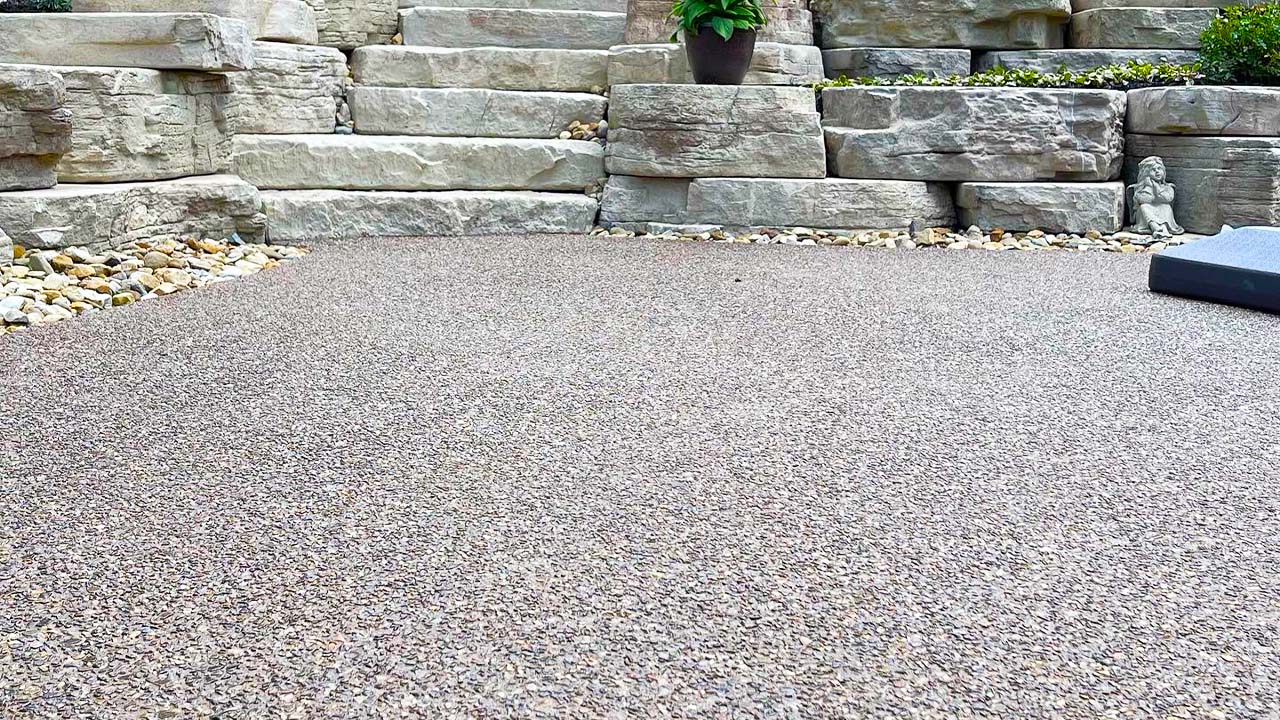 Pavers, Exposed Aggregate, or Stamped Concrete
Three good patio surfaces, and Pittsburgh winters treat them differently. Here is how they compare on freeze-thaw, repair, look, and price.
Read the article